The Grand Odyssey Expedition
Kobe | Uwajima | Miyanoura, Yakushima | Amami Ōshima | Motobu, Okinawa | Naha, Okinawa | Miyako Islands | Ishigaki | Keelung (Chilung) | Hong Kong | Ha Long Bay | Da Nang | Ho Chi Minh City | Phú Quốc | More...
 Kobe
Kobe
 Uwajima
 Amami Ōshima
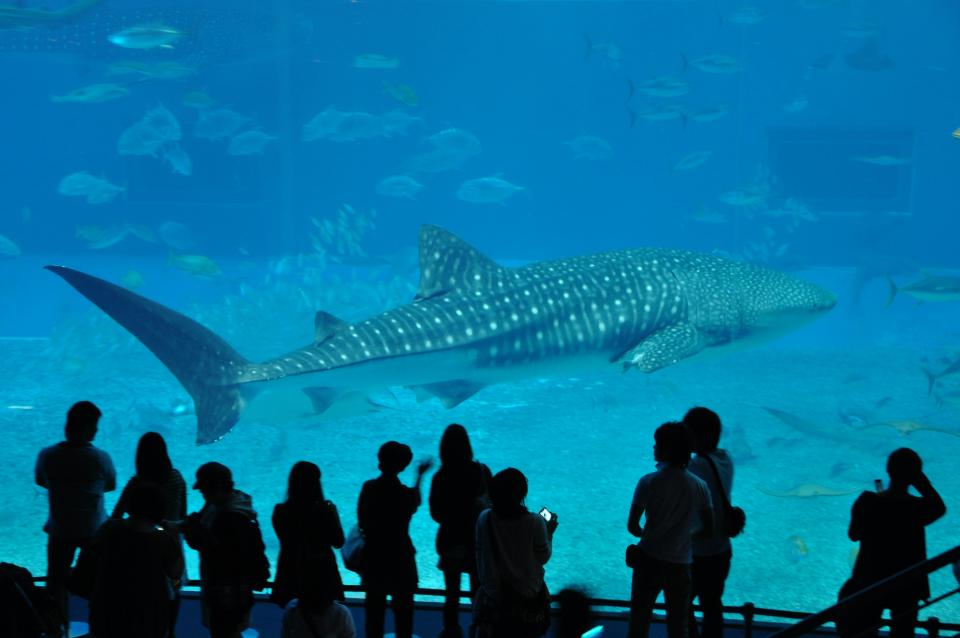
 Motobu, Okinawa
 Motobu, Okinawa
 Motobu, Okinawa
 Motobu, Okinawa
 Motobu, Okinawa
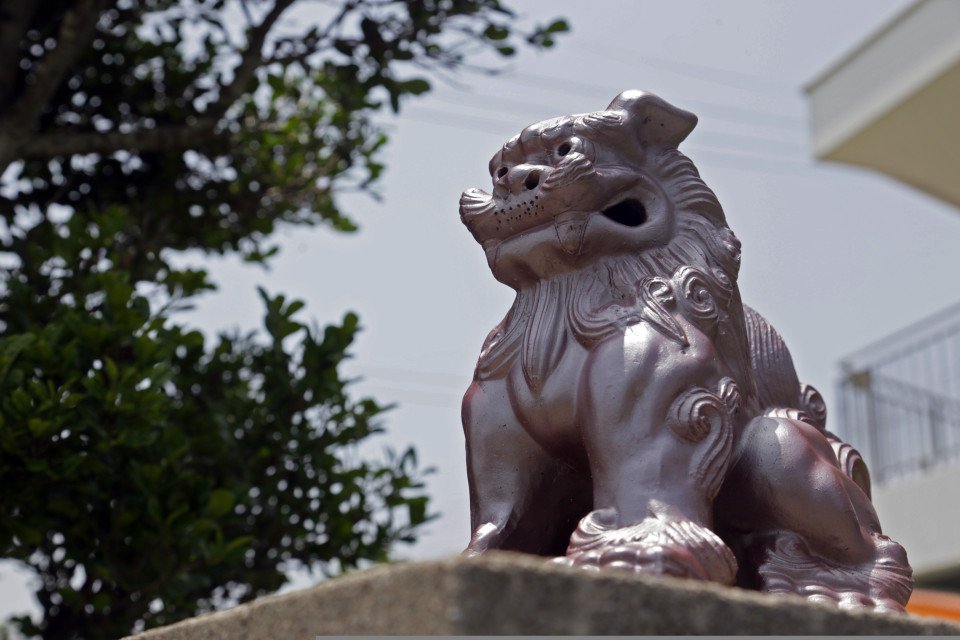
 Naha, Okinawa
 Miyako Islands
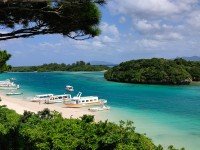 Ishigaki
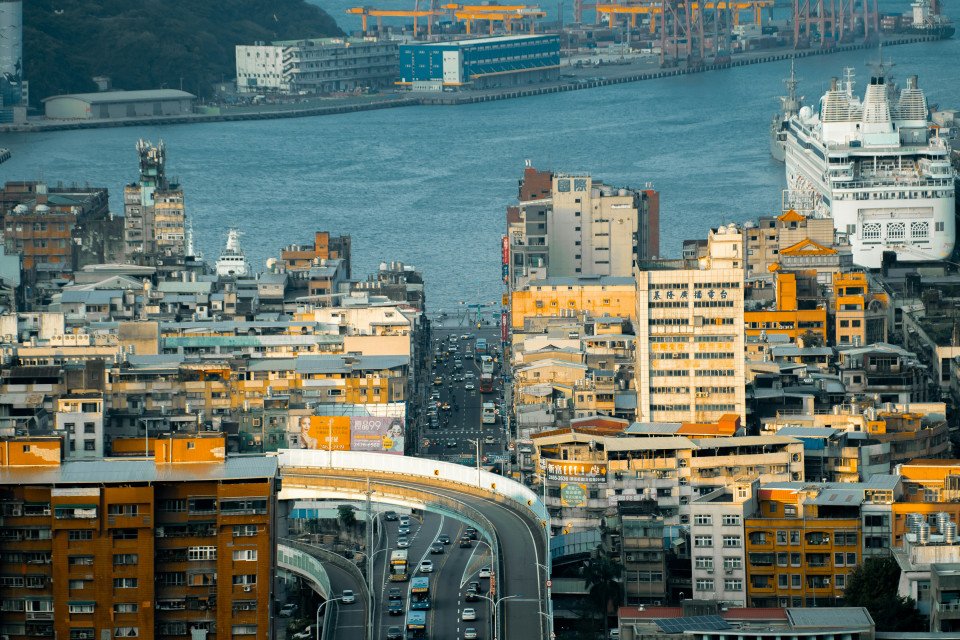
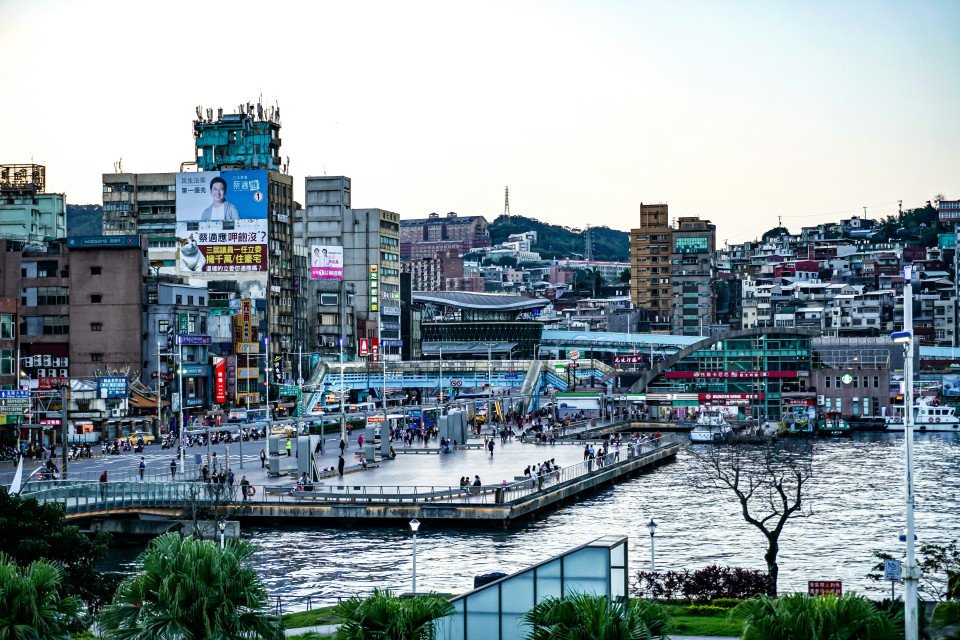
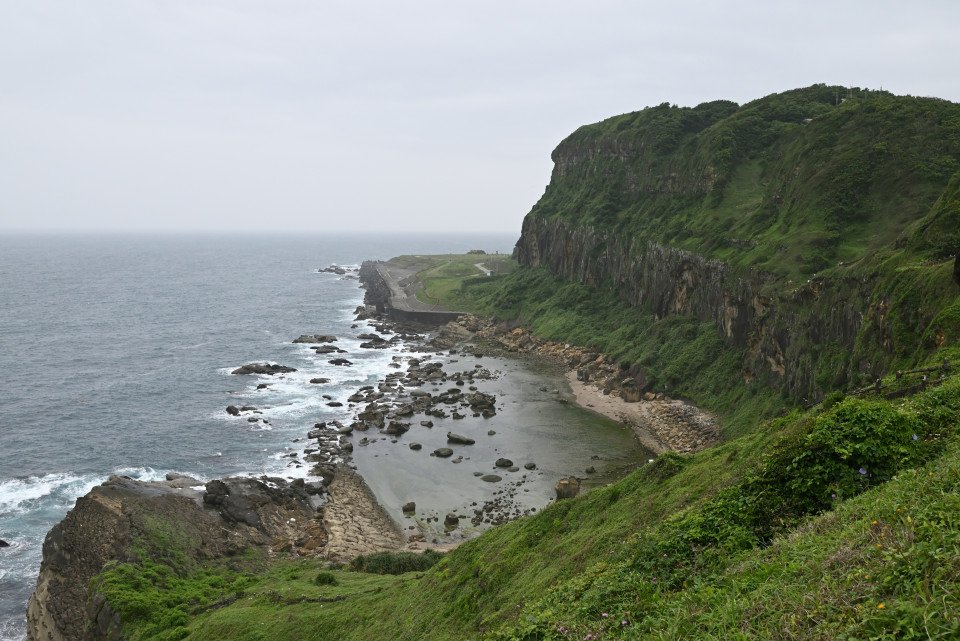
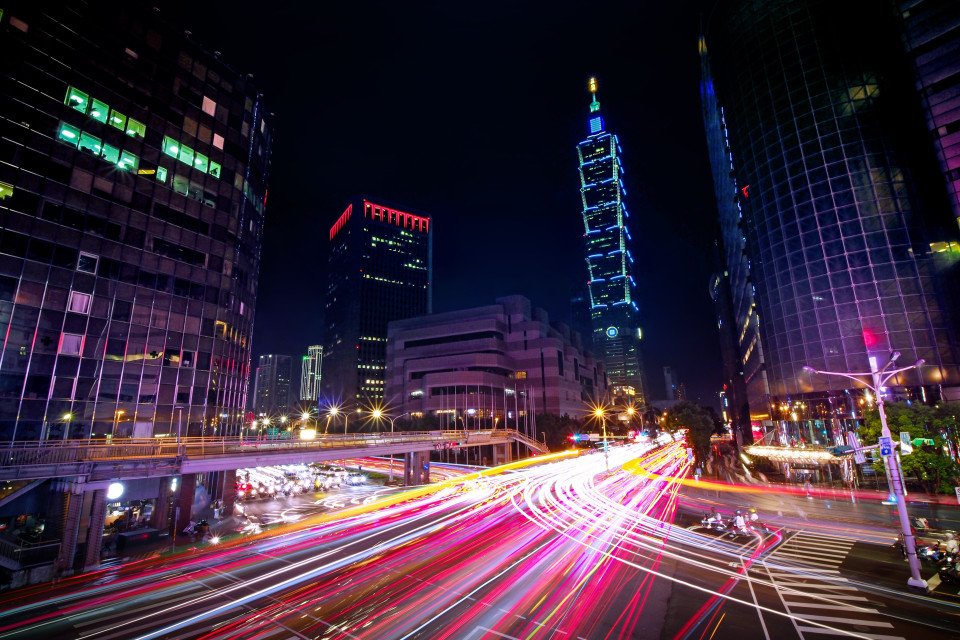
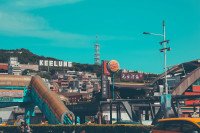 Keelung (Chilung)
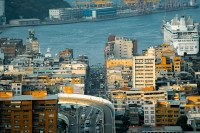 Keelung (Chilung)
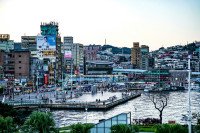 Keelung (Chilung)
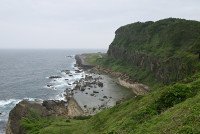 Keelung (Chilung)
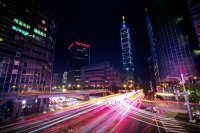 Keelung (Chilung)
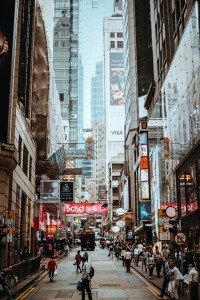 Hong Kong
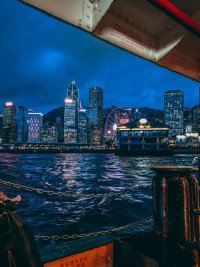 Hong Kong
 Hong Kong
 Ha Long Bay
 Ha Long Bay
 Ha Long Bay
 Ha Long Bay
 Ha Long Bay
 Da Nang
 Ho Chi Minh City
 Ho Chi Minh City
 Ho Chi Minh City
 Ho Chi Minh City
 Ho Chi Minh City
 Sihanoukville
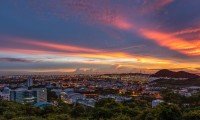 Laem Chabang
 Singapore
 Singapore
 Singapore
 Singapore
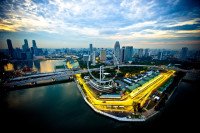 Singapore
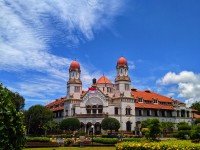 Semarang
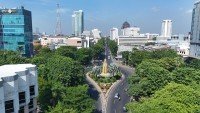 Surabaya
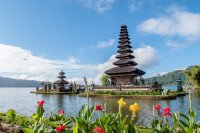 Benoa, Bali
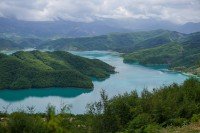 Moyo Island
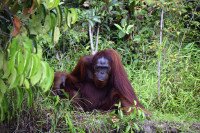 Sandakan, Sabah
 Puerto Princesa, Palawan
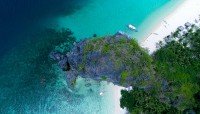 El Nido/Puerto Princesa
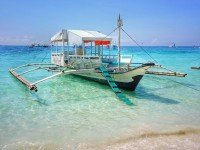 Boracay Island
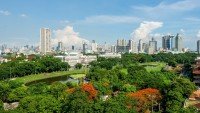 Manila
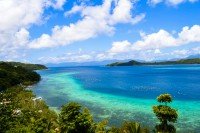 Romblon
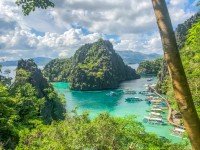 Coron Island
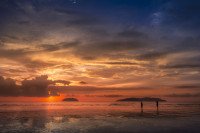 Kota Kinabalu, Sabah
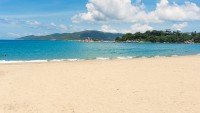 Nha Trang
 Côn Đảo
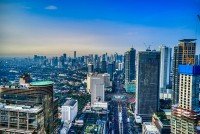 Jakarta
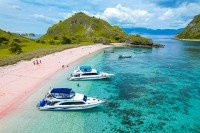 Komodo Island
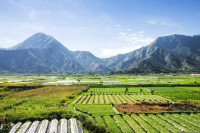 Lembar, Lombok
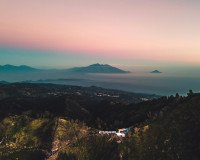 Probolinggo
 Probolinggo
 Probolinggo
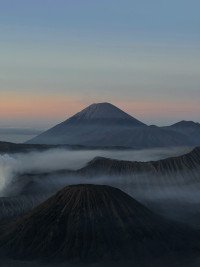 Probolinggo
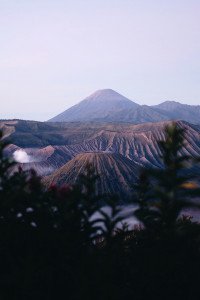 Probolinggo
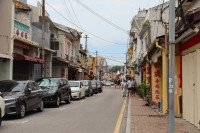 Malacca
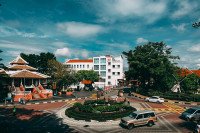 Malacca
 Malacca
 Malacca
 Port Klang
 Port Klang
 Langkawi Island
 Krabi
Krabi
 Krabi
Krabi
 Krabi
Krabi
 Krabi
Krabi
 Krabi
Krabi
 Phuket
 Phuket
 Phuket
 Phuket
 Phuket
 Sabang
 Hambantota
 Colombo
 Kochi
Kochi
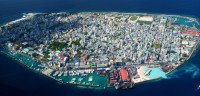 Male
Male
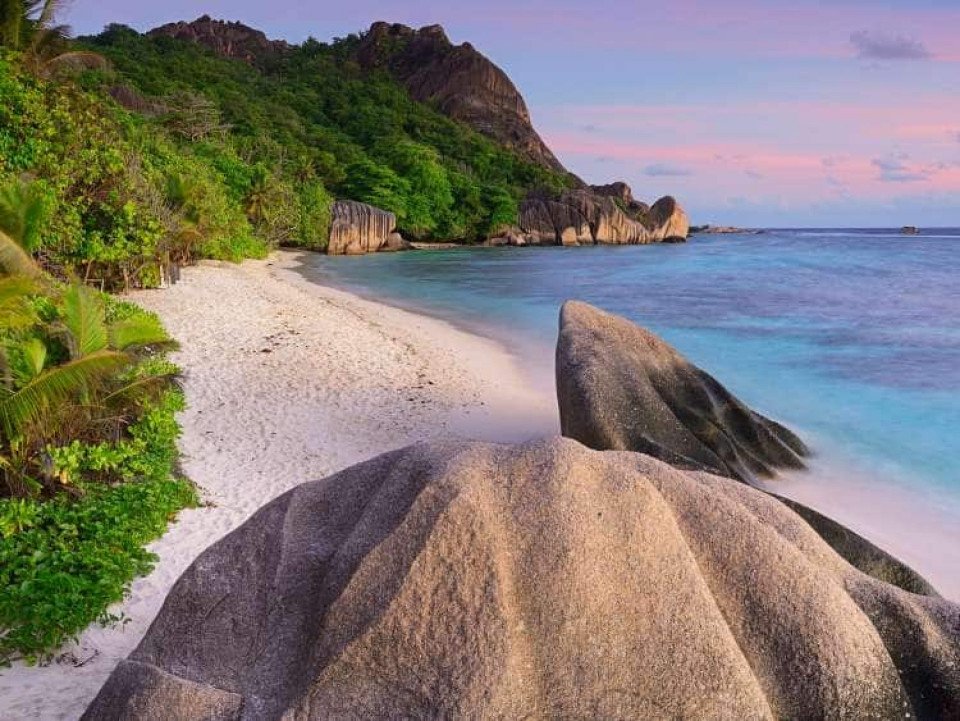
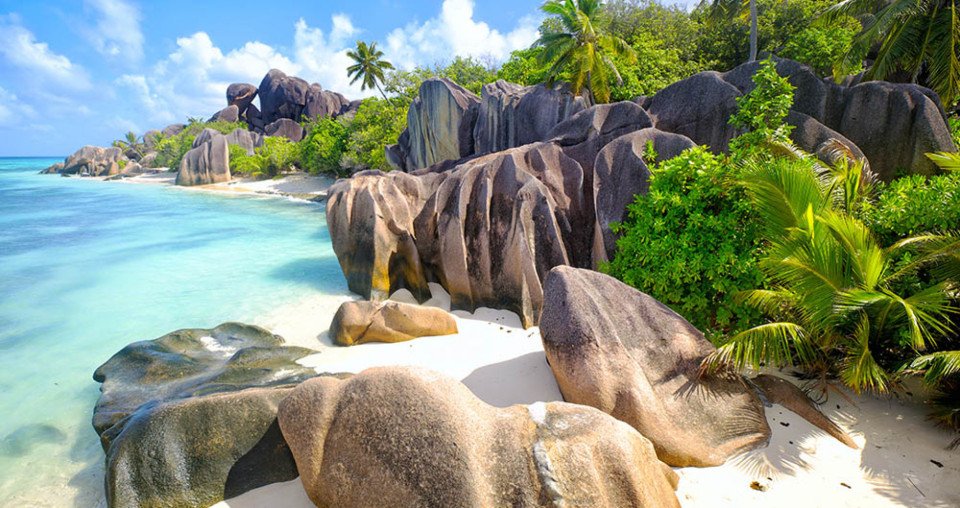
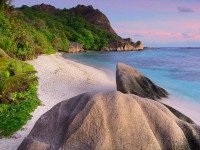 Praslin Island
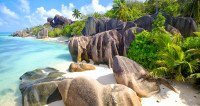 La Digue
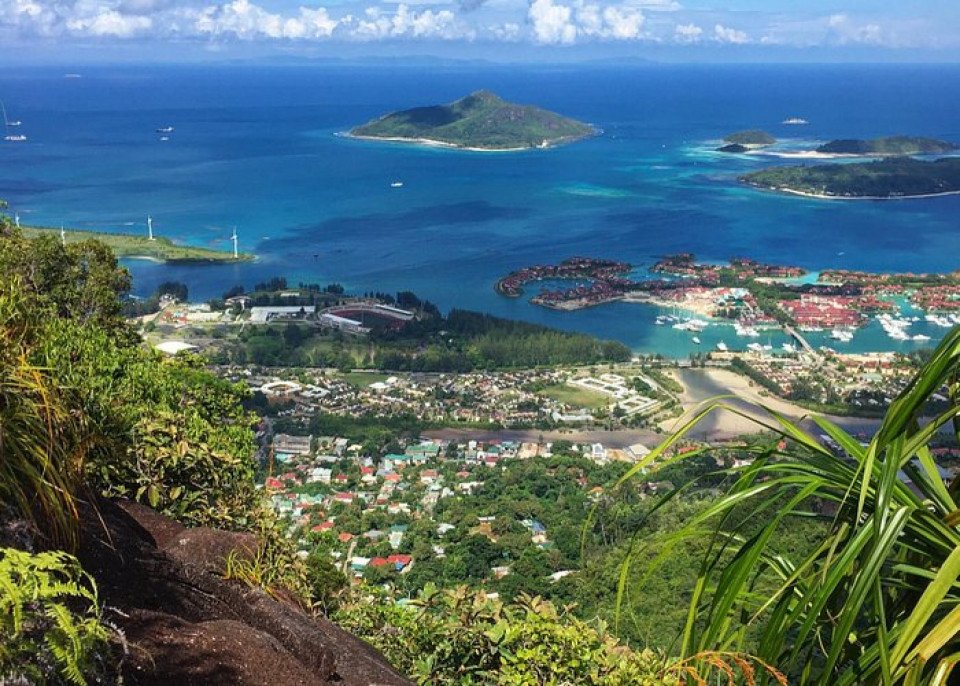
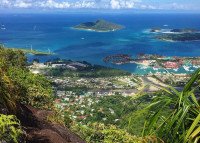 Victoria, Mahé
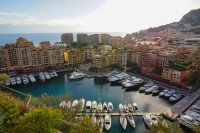 Hell-Ville
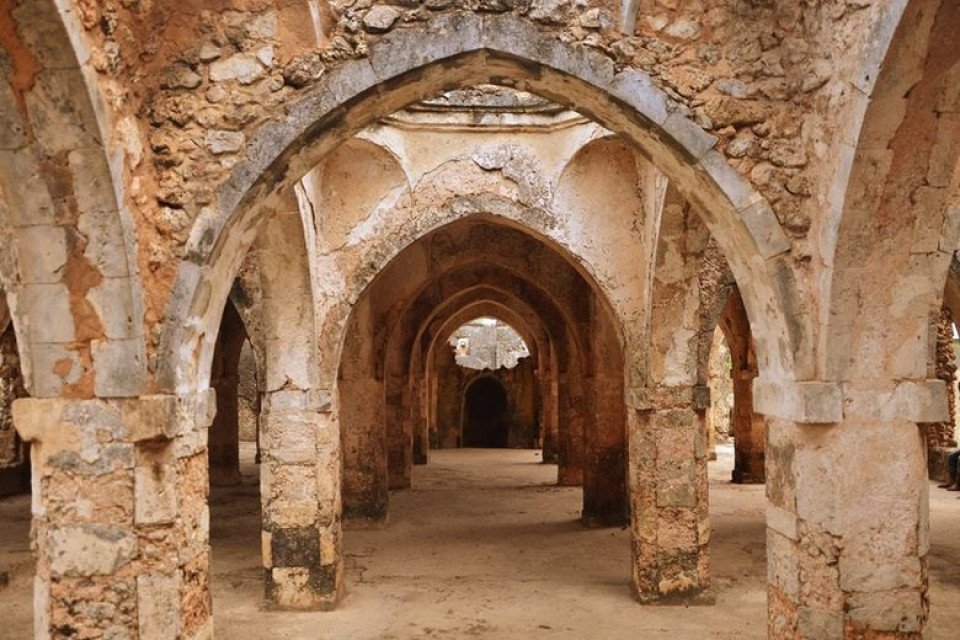
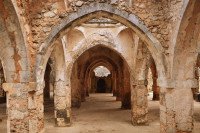 Kilwa Kisiwani
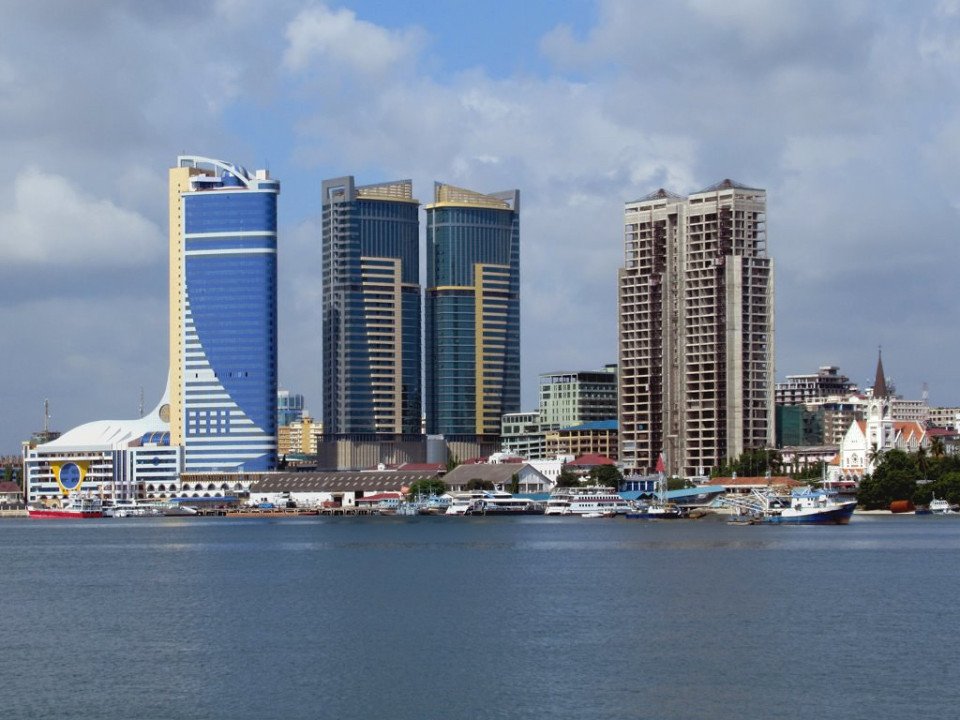
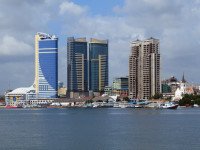 Dar es Salaam
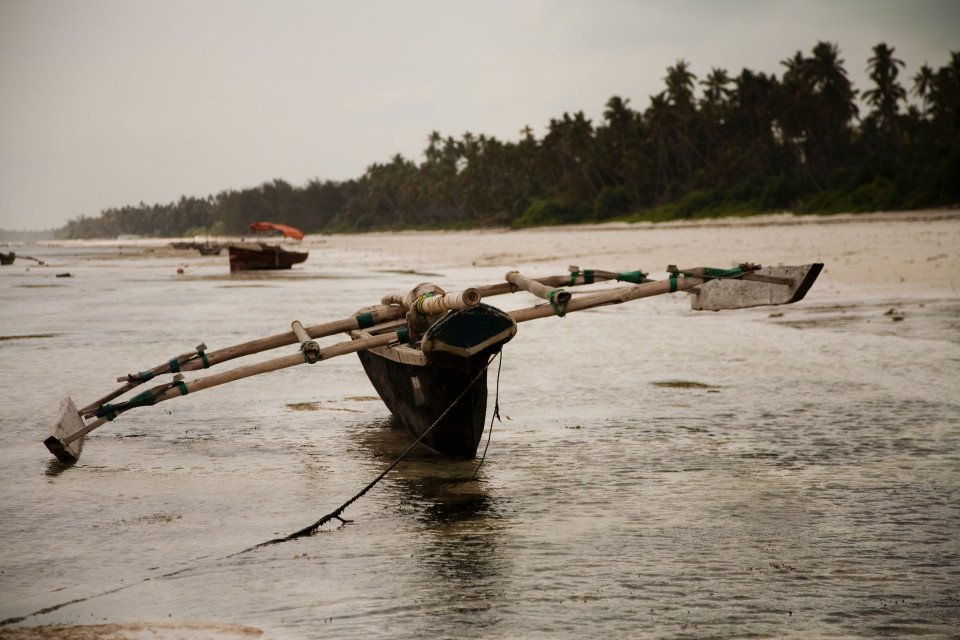
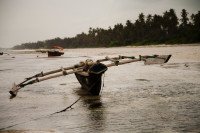 Zanzibar
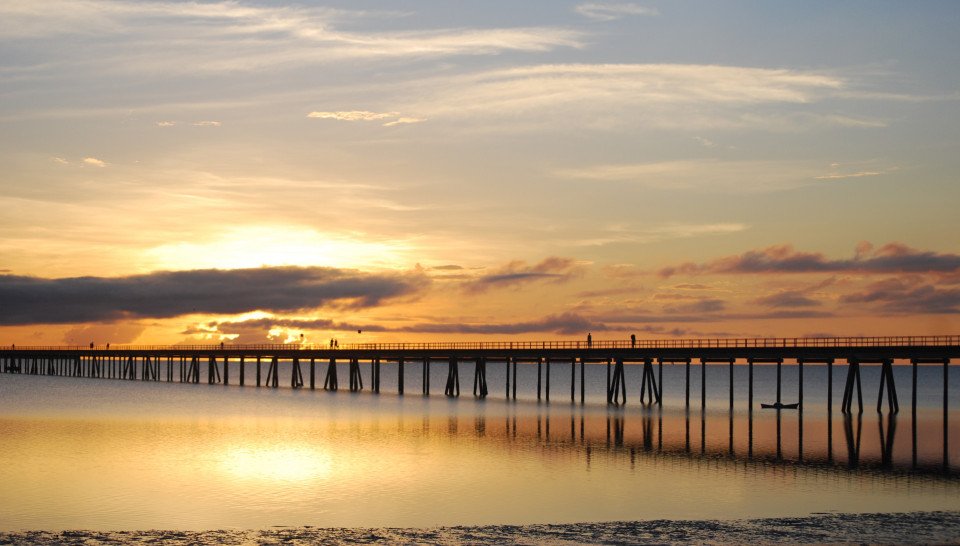
 Mombasa
 Mocambique Island
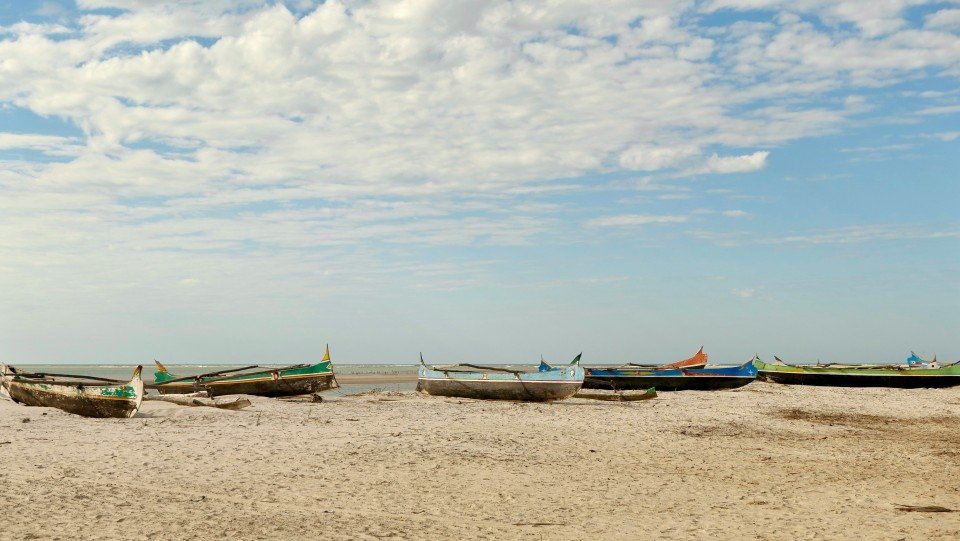
 Morondava
 Maputo
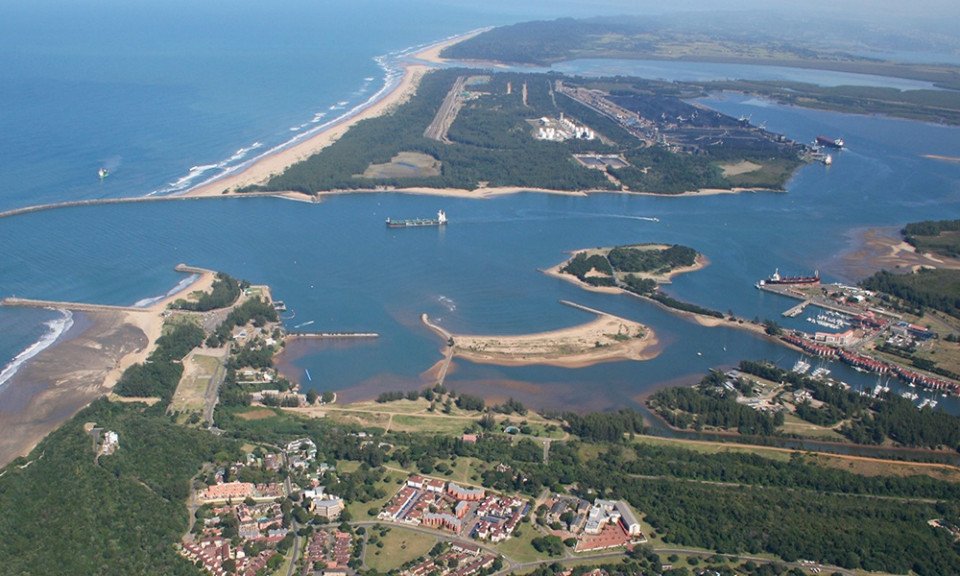
 Richards Bay
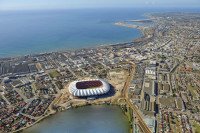 Gqeberha (ex Port Elizabeth)
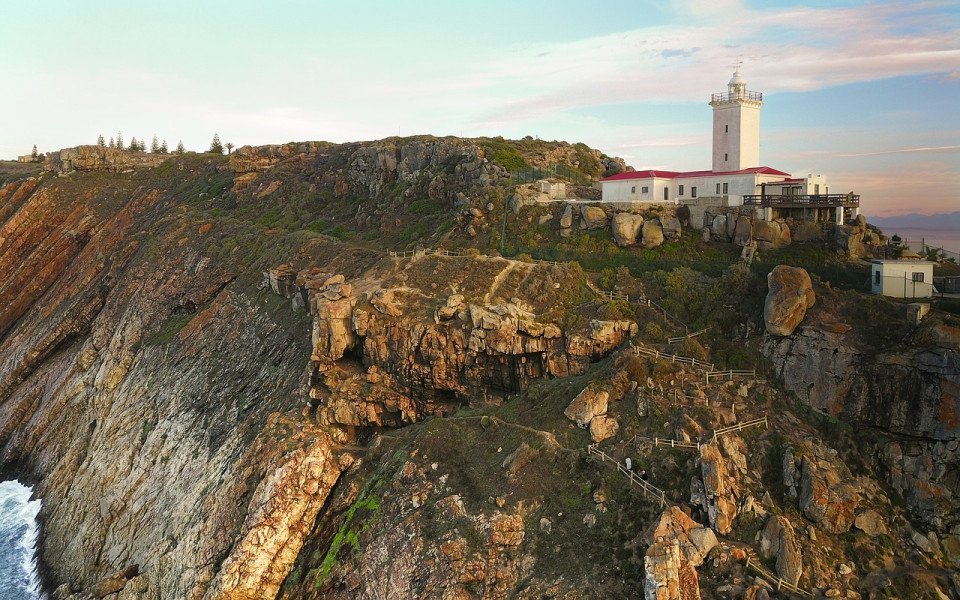
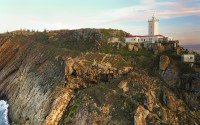 Mossel Bay
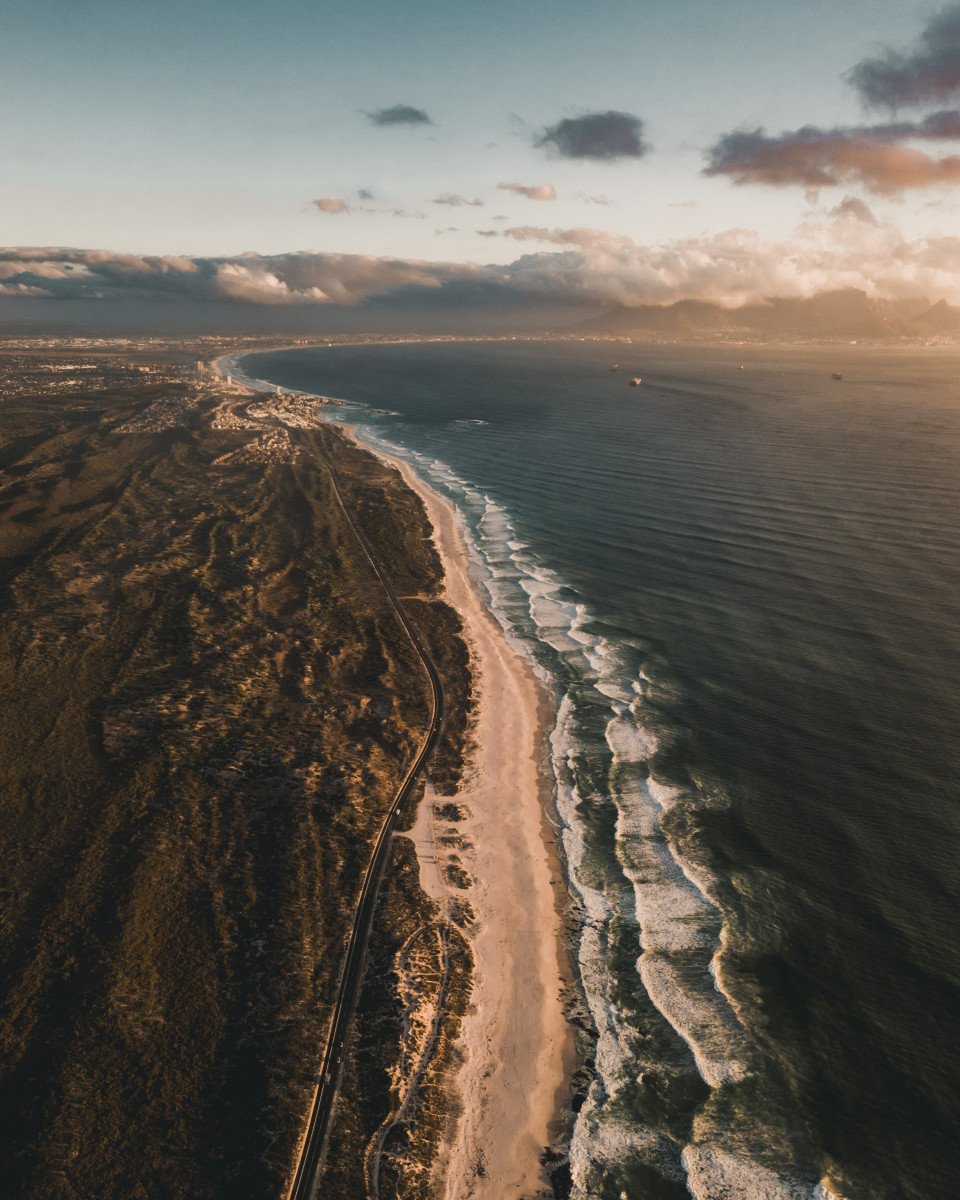
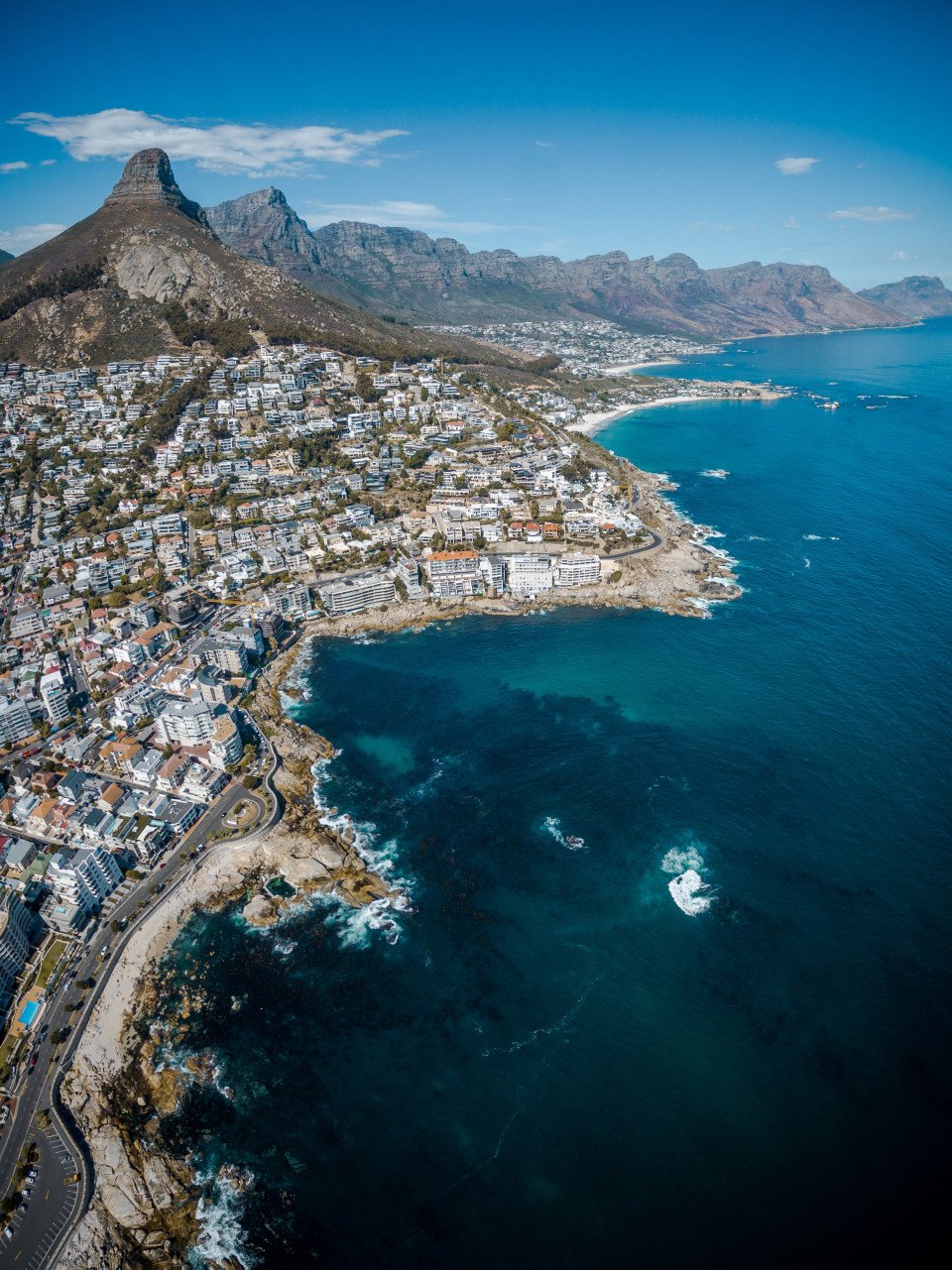
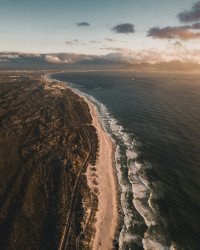 Cape Town
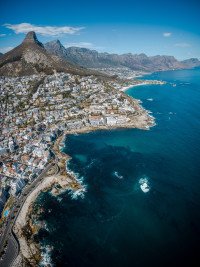 Cape Town
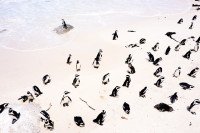 Cape Town





















(Prices correct as of today’s date, are updated daily, are subject to change and represent genuine availability at time of update).
Cruise only holidays are financially protected by ABTA. Fly cruise holidays are financially protected by Atlas Ocean Voyages under ATOL number 5902
Please click here to check the essential travel requirements before booking this cruise.

Call our cruise experts now and customise your cruise with flights, hotels, land tours and more
Prices based on 2 people sharing. Cruise only price does not include flights. Fly-cruise price may vary by chosen UK airport.
Prices based on 1 solo passenger. Cruise only price does not include flights. Fly-cruise price may vary by chosen UK airport.
Prices based on 3 people sharing. Cruise only price does not include flights. Fly-cruise price may vary by chosen UK airport.
Prices based on 4 people sharing. Cruise only price does not include flights. Fly-cruise price may vary by chosen UK airport.
Kobe
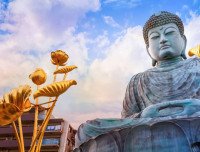
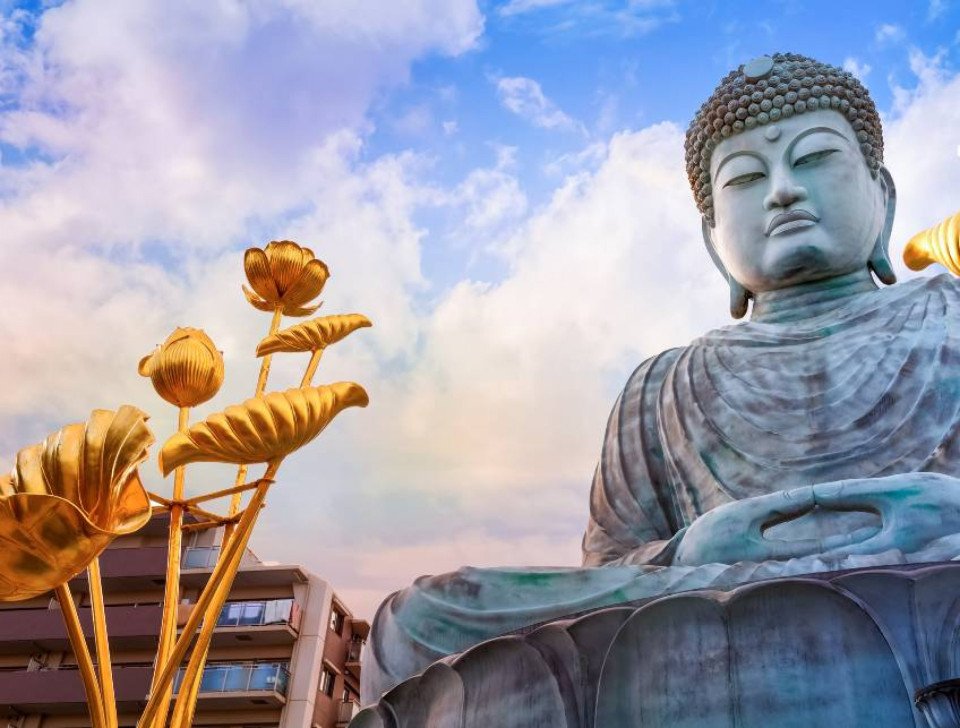
Located on the calm waters of the Inland Sea, Kobe has served as an important port town for hundreds of years. It was one of the first harbours to accept foreign traders in 1868 when Japan was just emerging from its centuries of isolation. What followed was a surge of Western trade and exp... Located on the calm waters of the Inland Sea, Kobe has served as an important port town for hundreds of years. It was one of the first harbours to accept foreign traders in 1868 when Japan was just emerging from its centuries of isolation. What followed was a surge of Western trade and exports. Today, Kobe is quite multicultural, with expatriates from 98 different nations in residence, providing a cultural diversity most easily visible in restaurants serving every kind of cuisine, including the now world famous Kobe beef. The Great Hanshin Earthquake of 1995 set back Kobe’s development, but not for long. Kobe emerged more vibrant than before - with additional attractions, hotels and urban redevelopment, and only a few remnants of the extensive damage. It is a cosmopolitan place with lively shopping arcades, interesting museums, great restaurants, and a port that is still at the heart of things. Kobe is well known for its nightlife, in an intimate quarter of neon lights, cosy bars and sophisticated nightclubs. It also serves as the gateway to the ancient Japanese capitals of Kyoto and Nara. Read More
Uwajima
Miyanoura, Yakushima
Amami Ōshima
Motobu, Okinawa
Naha, Okinawa
Naha, Okinawa
Miyako Islands
Ishigaki
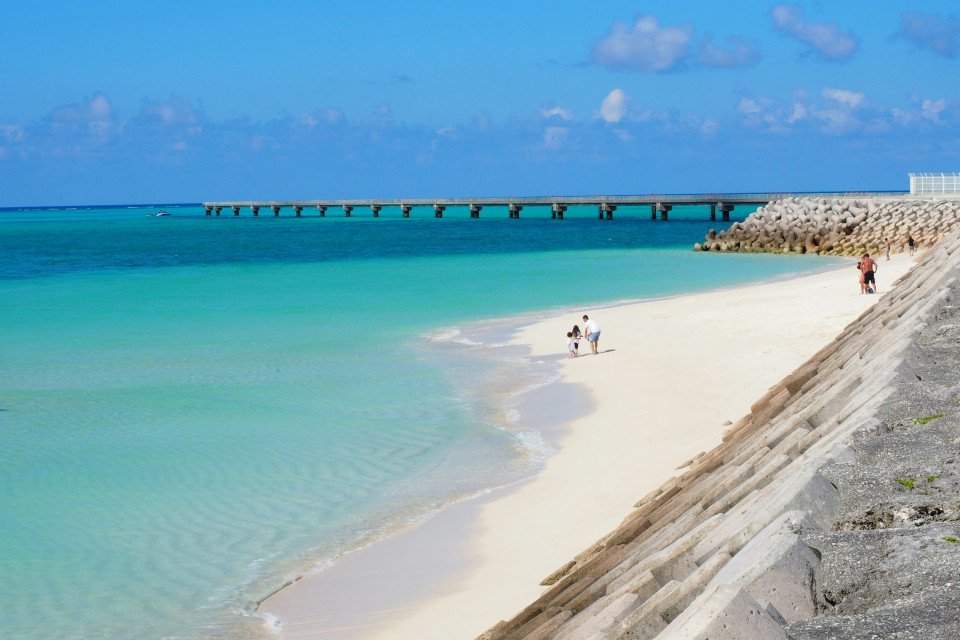
Ishigaki, Japan, is a captivating island paradise known for its stunning beaches, crystal-clear waters, and vibrant coral reefs. As part of the Yaeyama Islands, it offers a unique blend of rich culture and natural beauty. Visitors can explore lush subtropical landscapes, enjoy traditional... Ishigaki, Japan, is a captivating island paradise known for its stunning beaches, crystal-clear waters, and vibrant coral reefs. As part of the Yaeyama Islands, it offers a unique blend of rich culture and natural beauty. Visitors can explore lush subtropical landscapes, enjoy traditional Ryukyu cuisine, and partake in various water sports, from snorkelling to diving. The island's laid-back atmosphere, coupled with its welcoming locals, makes Ishigaki an ideal destination for those seeking both adventure and relaxation in a picturesque setting. Read More
Keelung (Chilung)
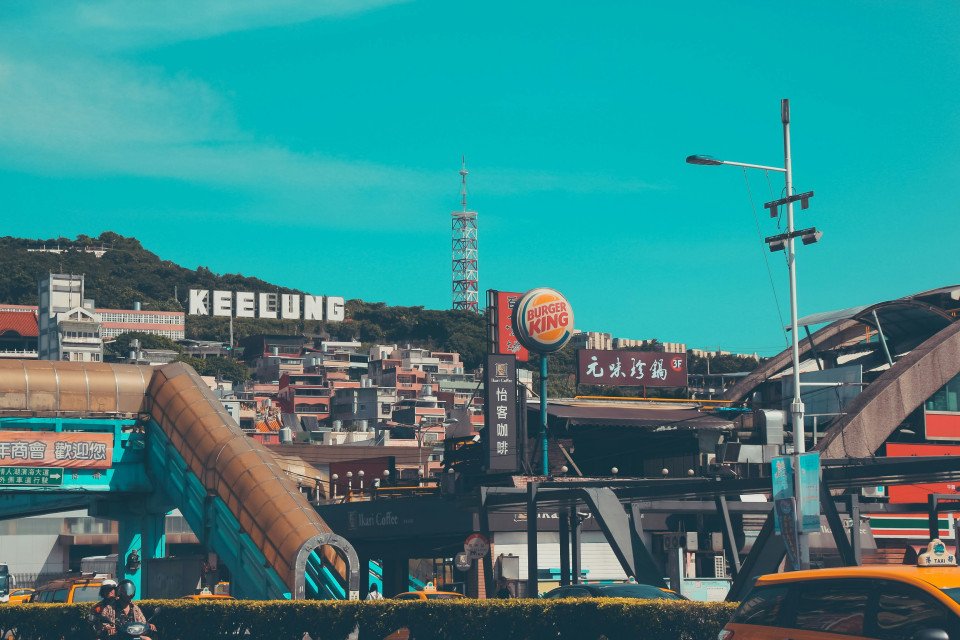
With the glittering lights of Taipei - a futuristic metropolis of culture and ideas - sparkling nearby, Keelung is the first calling point for many visitors arriving in Taiwan. While this port city essentially serves as Taipei's ocean gateway, you shouldn’t be too hasty in dashing off to T... With the glittering lights of Taipei - a futuristic metropolis of culture and ideas - sparkling nearby, Keelung is the first calling point for many visitors arriving in Taiwan. While this port city essentially serves as Taipei's ocean gateway, you shouldn’t be too hasty in dashing off to Taipei's neon-lit magic – first it’s well worth spending some time exploring the famous glowing night market, which hums with life each evening and is famous for its local seafood. Read More
Hong Kong
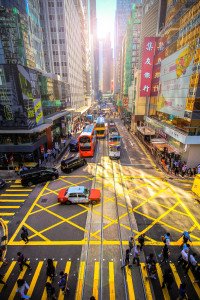
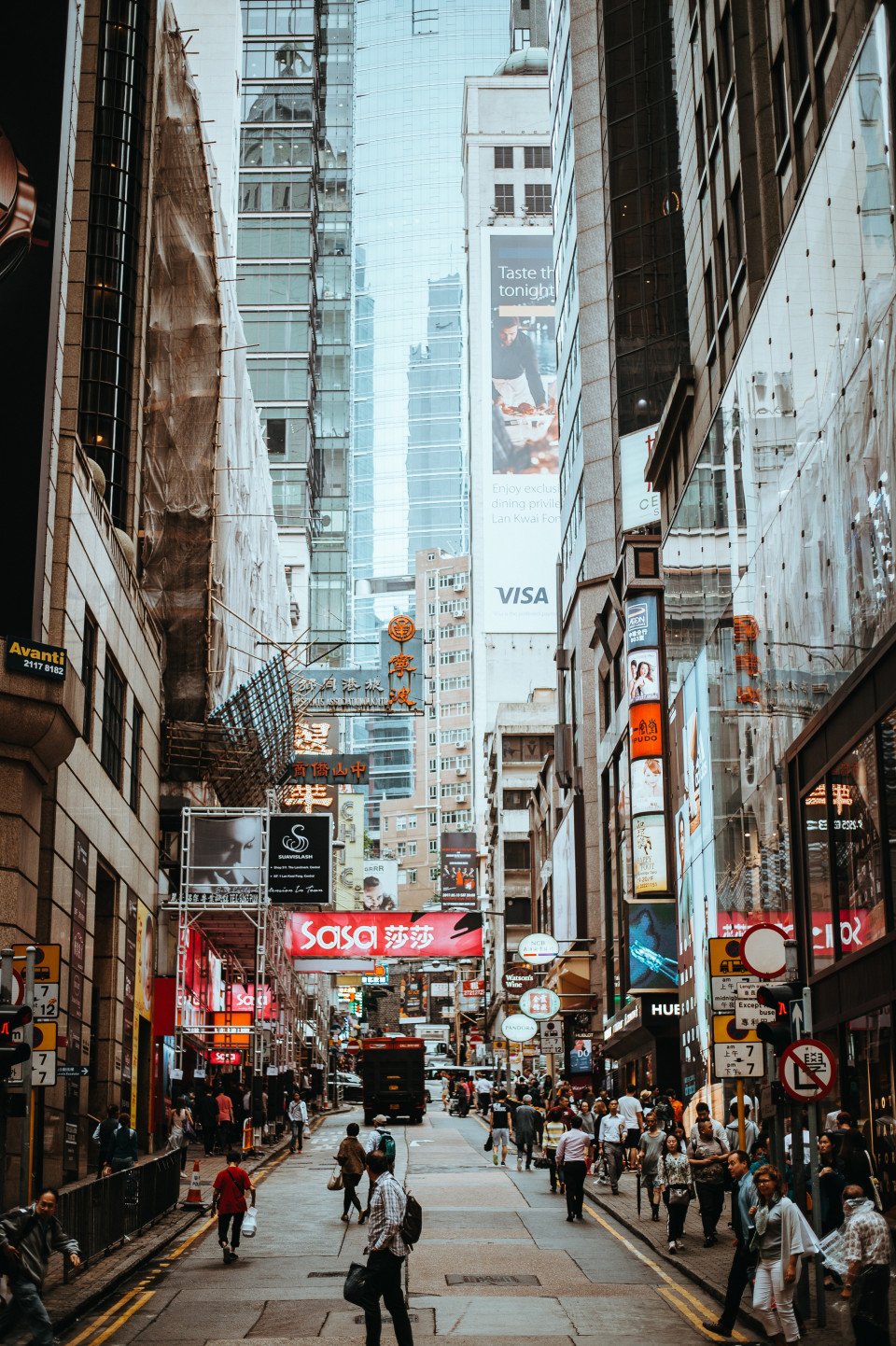
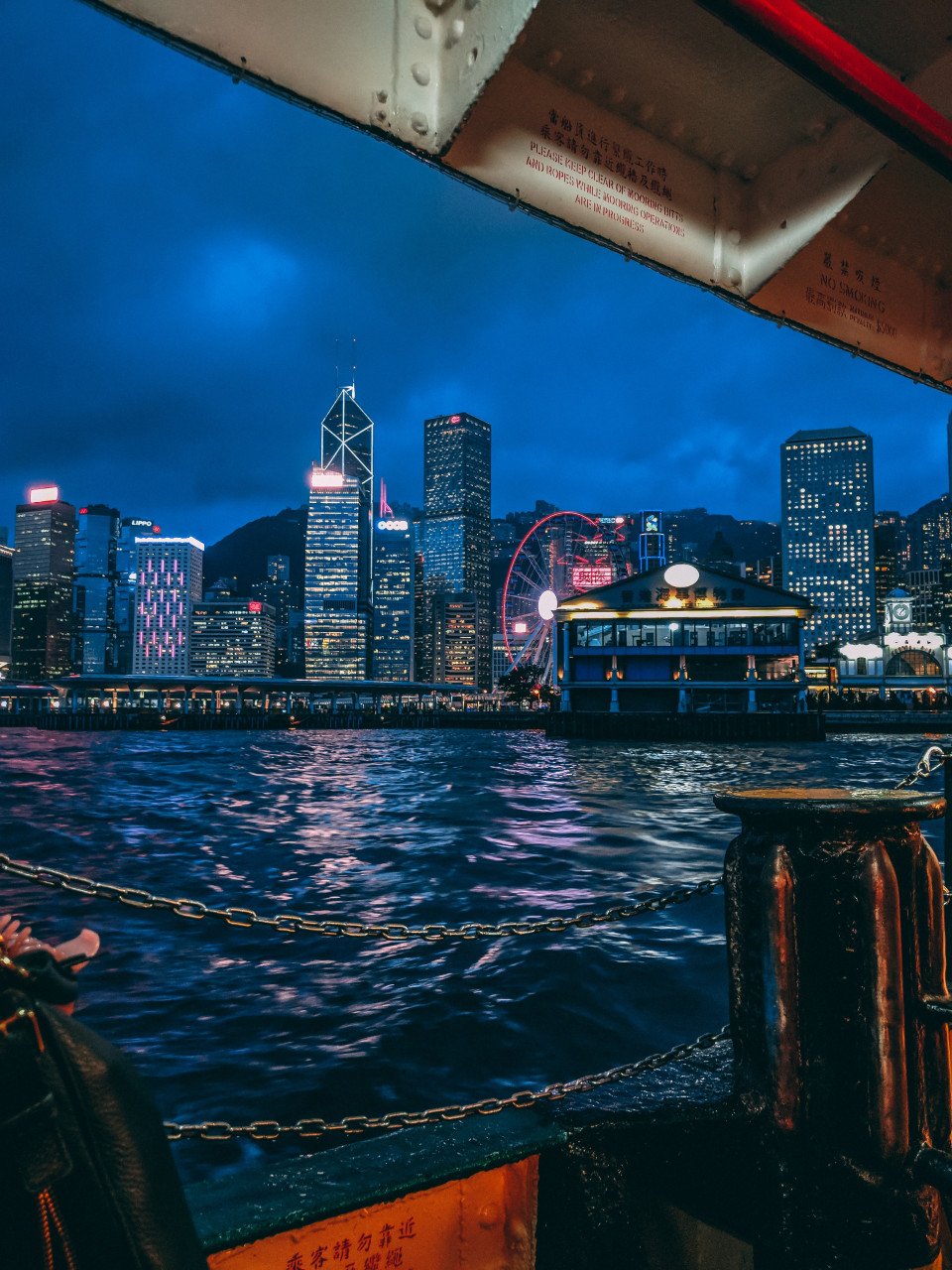
The Hong Kong Island skyline, with its ever-growing number of skyscrapers, speaks to ambition and money. Paris, London, even New York were centuries in the making, while Hong Kong's towers, bright lights, and glitzy shopping emporia weren't yet part of the urban scene when many of the youn... The Hong Kong Island skyline, with its ever-growing number of skyscrapers, speaks to ambition and money. Paris, London, even New York were centuries in the making, while Hong Kong's towers, bright lights, and glitzy shopping emporia weren't yet part of the urban scene when many of the young investment bankers who fuel one of the world's leading financial centers were born. Commerce is concentrated in the glittering high-rises of Central, tucked between Victoria Harbor and forested peaks on Hong Kong Island's north shore. While it's easy to think all the bright lights are the sum of today's Hong Kong, you need only walk or board a tram for the short jaunt west into Western to discover a side of Hong Kong that is more traditionally Chinese but no less high-energy. You'll discover the real Hong Kong to the east of Central, too, in Wan Chai, Causeway Bay, and beyond. Amid the residential towers are restaurants, shopping malls, bars, convention centers, a nice smattering of museums, and—depending on fate and the horse you wager on—one of Hong Kong's luckiest or unluckiest spots, the Happy Valley Racecourse. Kowloon sprawls across a generous swath of the Chinese mainland across Victoria Harbour from Central. Tsim Sha Tsui, at the tip of Kowloon peninsula, is packed with glitzy shops, first-rate museums, and eye-popping views of the skyline across the water. Just to the north are the teeming market streets of Mong Kok and in the dense residential neighborhoods beyond, two of Hong Kong's most enchanting spiritual sights, Wong Tai Sin Temple and Chi Lin Nunnery. As you navigate this huge metropolis (easy to do on the excellent transportation network), keep in mind that streets are usually numbered odd on one side, even on the other. There's no baseline for street numbers and no block-based numbering system, but street signs indicate building numbers for any given block. Read More
Hong Kong
The Hong Kong Island skyline, with its ever-growing number of skyscrapers, speaks to ambition and money. Paris, London, even New York were centuries in the making, while Hong Kong's towers, bright lights, and glitzy shopping emporia weren't yet part of the urban scene when many of the youn... The Hong Kong Island skyline, with its ever-growing number of skyscrapers, speaks to ambition and money. Paris, London, even New York were centuries in the making, while Hong Kong's towers, bright lights, and glitzy shopping emporia weren't yet part of the urban scene when many of the young investment bankers who fuel one of the world's leading financial centers were born. Commerce is concentrated in the glittering high-rises of Central, tucked between Victoria Harbor and forested peaks on Hong Kong Island's north shore. While it's easy to think all the bright lights are the sum of today's Hong Kong, you need only walk or board a tram for the short jaunt west into Western to discover a side of Hong Kong that is more traditionally Chinese but no less high-energy. You'll discover the real Hong Kong to the east of Central, too, in Wan Chai, Causeway Bay, and beyond. Amid the residential towers are restaurants, shopping malls, bars, convention centers, a nice smattering of museums, and—depending on fate and the horse you wager on—one of Hong Kong's luckiest or unluckiest spots, the Happy Valley Racecourse. Kowloon sprawls across a generous swath of the Chinese mainland across Victoria Harbour from Central. Tsim Sha Tsui, at the tip of Kowloon peninsula, is packed with glitzy shops, first-rate museums, and eye-popping views of the skyline across the water. Just to the north are the teeming market streets of Mong Kok and in the dense residential neighborhoods beyond, two of Hong Kong's most enchanting spiritual sights, Wong Tai Sin Temple and Chi Lin Nunnery. As you navigate this huge metropolis (easy to do on the excellent transportation network), keep in mind that streets are usually numbered odd on one side, even on the other. There's no baseline for street numbers and no block-based numbering system, but street signs indicate building numbers for any given block. Read More

Ha Long Bay
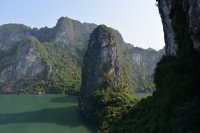
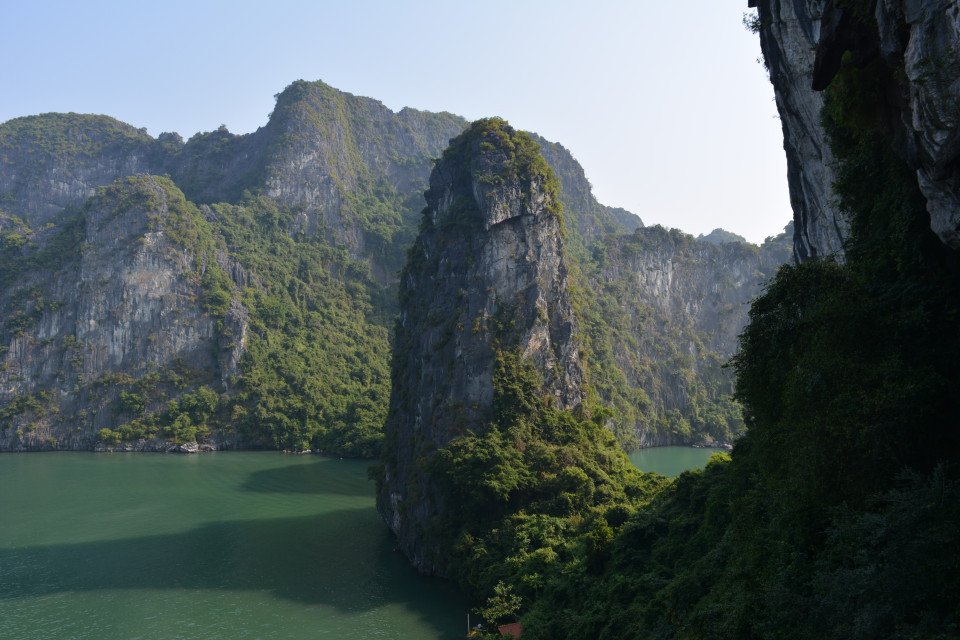
A visit to the north is not complete without a trip to Halong Bay, where placid waters give way to more than 3,000 limestone karsts and wind-sculpted limestone formations that jut from foggy lagoons. Dotting the bay are tiny islands bordered by white sandy coves and hidden caves, adding to... A visit to the north is not complete without a trip to Halong Bay, where placid waters give way to more than 3,000 limestone karsts and wind-sculpted limestone formations that jut from foggy lagoons. Dotting the bay are tiny islands bordered by white sandy coves and hidden caves, adding to the majestic landscape of this UNESCO World Heritage Site. Adding to this naturalist’s dream is the biodiversity of islets, grottos, and Cat Ba Island National Park. The bay, however, shows tourism’s impact: the clearing of mangrove forests to make way for jetties and piers, marine life threatened by game fishing, and garbage from passenger boats and fishing villages washed up on the shores.Beyond its geological uniqueness are activities like hiking, kayaking, rock climbing, or exploring one of the many floating villages where fishermen bring in their daily catch. The downside to all this allure is the large number of unlicensed boats it draws to the bay each day.Boat trips out onto the bay are the main tourism stock in trade farther north, but a more multifaceted side of the area can be experienced at Cat Ba Island. The largest island in Halong Bay, Cat Ba is very much its own entity. Its national park offers incredible biodiversity, with more than a thousand species of plants having been recorded here. Animal life is slightly thinner on the ground, but alert visitors may spy inhabitants such as the endangered golden-headed langur, wild boar, deer, civets, and several species of squirrel. Trekking through the wilderness is a highlight with a number of fascinating trails to follow.Cat Ba Island has also become a firm favorite with the adventure sports set. Indeed, along with Railay Beach in Thailand, it is recognized as one of the top spots in the region for rock climbing. Other outdoor pursuits include sailing and kayaking around the karsts. Although Halong Bay has arguably been tainted by over-exposure, Bai Tu Long Bay farther east toward China, retains all the majesty of Vietnam’s premier bucket-list natural attraction but sees a fraction of the traffic of its immediate neighbor to the west. Here, visitors will find islands of substantial size with deserted beaches and untamed jungle. Halong Bay's 3,000 islands of dolomite and limestone cover a 1,500-square-km (580-square-mile) area, extending across the Gulf of Tonkin nearly to the Chinese border. According to legend, this breathtaking land- and seascape was formed by a giant dragon that came barreling out of the mountains toward the ocean—hence the name (Halong translates into "descent of the dragon"). Geologists are more likely to attribute the formations to sedimentary limestone that formed here between 300 and 500 million years ago, in the Paleozoic Era. Over millions of years water receded and exposed the limestone to wind, rain, and tidal erosion.Today the limestone formations are exposed to hordes of tourists—but don't let that discourage you. Hundreds of fishing trawlers and tour boats share space on these crystal waters, yet there seems to be room for everyone. Most people use the main population center, Halong City, as a base from which to venture into the bay. Although it's now officially one municipality, Halong City was, until 1996, two separate towns: Bai Chay is now Halong City West, where Halong Road winds its way around the coast and past the lifeless central beach; Hon Gai is the grimier Halong City East, where a coal transportation depot dominates the center of town and covers nearby roads and buildings with a sooty film. Locals still refer to the towns by their old names, but they are now inexorably lassoed together by a bridge. Boat trips through Halong Bay are the main attraction. Little of the majesty of this region can be found in the city, so head out onto the water and start exploring. Countless 10- and 30-foot fishing boats have been converted into Halong Bay's formidable tourist-boat fleet. Hotels or travel agencies in Halong City or Hanoi can arrange boat trips for you (often they are part of organized tours from Hanoi). It is still possible to go down to the wharf and bargain yourself onto a boat for the day, but you are likely to be charged (sometimes significantly) more than you would pay for a prebooked tour, so this is not advised. Self-sufficient travelers have fallen victim to the old bait-and-switch: they've arranged a next-day boat tour with local fishermen, only to be told in no uncertain terms the following morning that they could not board their chosen boat, but they could take a different one for quite a bit more money. You may have no choice in the end. Usually travel agencies, however, have their tried-and-true favorites. Read More
Ha Long Bay
A visit to the north is not complete without a trip to Halong Bay, where placid waters give way to more than 3,000 limestone karsts and wind-sculpted limestone formations that jut from foggy lagoons. Dotting the bay are tiny islands bordered by white sandy coves and hidden caves, adding to... A visit to the north is not complete without a trip to Halong Bay, where placid waters give way to more than 3,000 limestone karsts and wind-sculpted limestone formations that jut from foggy lagoons. Dotting the bay are tiny islands bordered by white sandy coves and hidden caves, adding to the majestic landscape of this UNESCO World Heritage Site. Adding to this naturalist’s dream is the biodiversity of islets, grottos, and Cat Ba Island National Park. The bay, however, shows tourism’s impact: the clearing of mangrove forests to make way for jetties and piers, marine life threatened by game fishing, and garbage from passenger boats and fishing villages washed up on the shores.Beyond its geological uniqueness are activities like hiking, kayaking, rock climbing, or exploring one of the many floating villages where fishermen bring in their daily catch. The downside to all this allure is the large number of unlicensed boats it draws to the bay each day.Boat trips out onto the bay are the main tourism stock in trade farther north, but a more multifaceted side of the area can be experienced at Cat Ba Island. The largest island in Halong Bay, Cat Ba is very much its own entity. Its national park offers incredible biodiversity, with more than a thousand species of plants having been recorded here. Animal life is slightly thinner on the ground, but alert visitors may spy inhabitants such as the endangered golden-headed langur, wild boar, deer, civets, and several species of squirrel. Trekking through the wilderness is a highlight with a number of fascinating trails to follow.Cat Ba Island has also become a firm favorite with the adventure sports set. Indeed, along with Railay Beach in Thailand, it is recognized as one of the top spots in the region for rock climbing. Other outdoor pursuits include sailing and kayaking around the karsts. Although Halong Bay has arguably been tainted by over-exposure, Bai Tu Long Bay farther east toward China, retains all the majesty of Vietnam’s premier bucket-list natural attraction but sees a fraction of the traffic of its immediate neighbor to the west. Here, visitors will find islands of substantial size with deserted beaches and untamed jungle. Halong Bay's 3,000 islands of dolomite and limestone cover a 1,500-square-km (580-square-mile) area, extending across the Gulf of Tonkin nearly to the Chinese border. According to legend, this breathtaking land- and seascape was formed by a giant dragon that came barreling out of the mountains toward the ocean—hence the name (Halong translates into "descent of the dragon"). Geologists are more likely to attribute the formations to sedimentary limestone that formed here between 300 and 500 million years ago, in the Paleozoic Era. Over millions of years water receded and exposed the limestone to wind, rain, and tidal erosion.Today the limestone formations are exposed to hordes of tourists—but don't let that discourage you. Hundreds of fishing trawlers and tour boats share space on these crystal waters, yet there seems to be room for everyone. Most people use the main population center, Halong City, as a base from which to venture into the bay. Although it's now officially one municipality, Halong City was, until 1996, two separate towns: Bai Chay is now Halong City West, where Halong Road winds its way around the coast and past the lifeless central beach; Hon Gai is the grimier Halong City East, where a coal transportation depot dominates the center of town and covers nearby roads and buildings with a sooty film. Locals still refer to the towns by their old names, but they are now inexorably lassoed together by a bridge. Boat trips through Halong Bay are the main attraction. Little of the majesty of this region can be found in the city, so head out onto the water and start exploring. Countless 10- and 30-foot fishing boats have been converted into Halong Bay's formidable tourist-boat fleet. Hotels or travel agencies in Halong City or Hanoi can arrange boat trips for you (often they are part of organized tours from Hanoi). It is still possible to go down to the wharf and bargain yourself onto a boat for the day, but you are likely to be charged (sometimes significantly) more than you would pay for a prebooked tour, so this is not advised. Self-sufficient travelers have fallen victim to the old bait-and-switch: they've arranged a next-day boat tour with local fishermen, only to be told in no uncertain terms the following morning that they could not board their chosen boat, but they could take a different one for quite a bit more money. You may have no choice in the end. Usually travel agencies, however, have their tried-and-true favorites. Read More
Da Nang
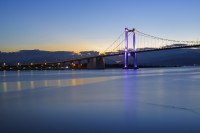
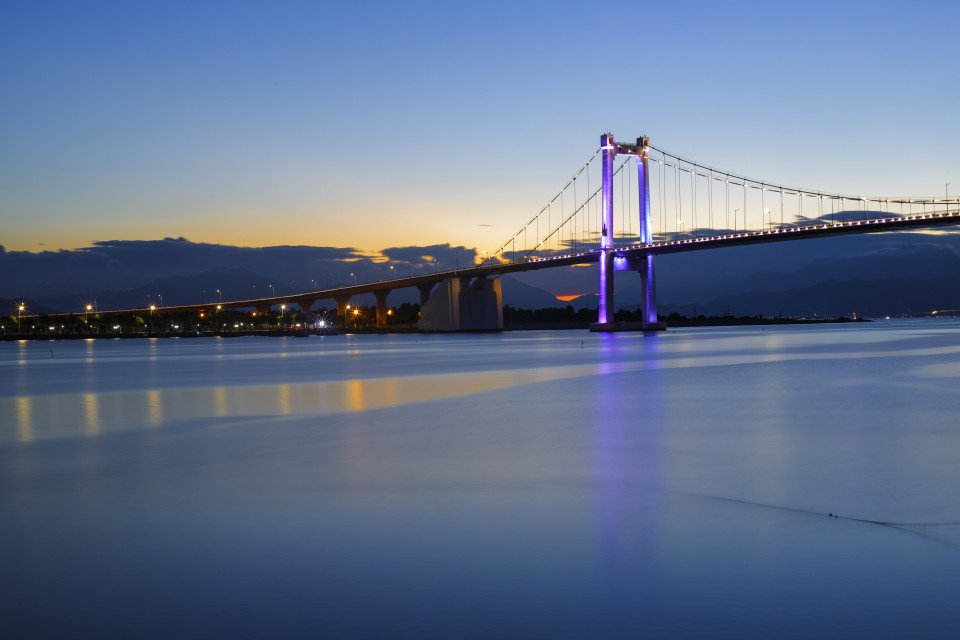
Da Nang is the third largest city in Vietnam with the land area of 1283 square kilometre and the population of approximately 1million people. Da Nang is growing into one of the most organized urban area, with attractive beach front villas on the one side and Han River flowing on the other.... Da Nang is the third largest city in Vietnam with the land area of 1283 square kilometre and the population of approximately 1million people. Da Nang is growing into one of the most organized urban area, with attractive beach front villas on the one side and Han River flowing on the other. Of the few attractions that belong to the city, Museum of Cham stands out with its rich collection of Cham artefacts. For those who crave for more outdoors activities, My Khe beach is a good place to spend time, either by yourself or with your loved ones. Da Nang is in close proximity to Hue- 3 hours North and Hoi An- 30 minutes south, which makes it a perfect stop point for those who need a break from touristy areas. Hue was once the Royal Capital of Viet Nam. The city represents the outstanding demonstration of the power of the vanished Vietnamese feudal empire, including a complex of monuments, tombs and pagodas that attract tourists coming from all over the world. Hoi An has to this days well preserved its most sacred treasure, the centuries-old architecture. The town used to harbour foreign traders back in the 17-18th, and once is an important heavily-frequented trading port in Southeast Asia. Read More

Ho Chi Minh City
Romantically referred to by the French as the Pearl of the Orient, Ho Chi Minh City today is a super-charged city of sensory overload. Motorbikes zoom day and night along the wide boulevards, through the narrow back alleys and past vendors pushing handcarts hawking goods of all description... Romantically referred to by the French as the Pearl of the Orient, Ho Chi Minh City today is a super-charged city of sensory overload. Motorbikes zoom day and night along the wide boulevards, through the narrow back alleys and past vendors pushing handcarts hawking goods of all descriptions. Still called Saigon by most residents, this is Vietnam's largest city and the engine driving the country's current economic resurgence, but despite its frenetic pace, it's a friendlier place than Hanoi and locals will tell you the food—simple, tasty, and incorporating many fresh herbs—is infinitely better than in the capital.This is a city full of surprises. The madness of the city's traffic—witness the oddball things that are transported on the back of motorcycles—is countered by tranquil pagodas, peaceful parks, quirky coffee shops, and whole neighborhoods hidden down tiny alleyways, although some of these quiet spots can be difficult to track down. Life in Ho Chi Minh City is lived in public: on the back of motorcycles, on the sidewalks, and in the parks. Even when its residents are at home, they're still on display. With many living rooms opening onto the street, grandmothers napping, babies being rocked, and food being prepared, are all in full view of passersby.Icons of the past endure in the midst of the city’s headlong rush into capitalism. The Hotel Continental, immortalized in Graham Greene's The Quiet American, continues to stand on the corner of old Indochina's most famous thoroughfare, the rue Catinat, known to American G.I.s during the Vietnam War as Tu Do (Freedom) Street and renamed Dong Khoi (Uprising) Street by the Communists. The city still has its ornate opera house and its old French city hall, the Hôtel de Ville. The broad colonial boulevards leading to the Saigon River and the gracious stucco villas are other remnants of the French colonial presence. Grisly reminders of the more recent past can be seen at the city's war-related museums. Residents, however, prefer to look forward rather than back and are often perplexed by tourists' fascination with a war that ended 40 years ago.The Chinese influence on the country is still very much in evidence in the Cholon district, the city's Chinatown, but the modern office towers and international hotels that mark the skyline symbolize Vietnam's fixation on the future. Read More
Ho Chi Minh City
Romantically referred to by the French as the Pearl of the Orient, Ho Chi Minh City today is a super-charged city of sensory overload. Motorbikes zoom day and night along the wide boulevards, through the narrow back alleys and past vendors pushing handcarts hawking goods of all description... Romantically referred to by the French as the Pearl of the Orient, Ho Chi Minh City today is a super-charged city of sensory overload. Motorbikes zoom day and night along the wide boulevards, through the narrow back alleys and past vendors pushing handcarts hawking goods of all descriptions. Still called Saigon by most residents, this is Vietnam's largest city and the engine driving the country's current economic resurgence, but despite its frenetic pace, it's a friendlier place than Hanoi and locals will tell you the food—simple, tasty, and incorporating many fresh herbs—is infinitely better than in the capital.This is a city full of surprises. The madness of the city's traffic—witness the oddball things that are transported on the back of motorcycles—is countered by tranquil pagodas, peaceful parks, quirky coffee shops, and whole neighborhoods hidden down tiny alleyways, although some of these quiet spots can be difficult to track down. Life in Ho Chi Minh City is lived in public: on the back of motorcycles, on the sidewalks, and in the parks. Even when its residents are at home, they're still on display. With many living rooms opening onto the street, grandmothers napping, babies being rocked, and food being prepared, are all in full view of passersby.Icons of the past endure in the midst of the city’s headlong rush into capitalism. The Hotel Continental, immortalized in Graham Greene's The Quiet American, continues to stand on the corner of old Indochina's most famous thoroughfare, the rue Catinat, known to American G.I.s during the Vietnam War as Tu Do (Freedom) Street and renamed Dong Khoi (Uprising) Street by the Communists. The city still has its ornate opera house and its old French city hall, the Hôtel de Ville. The broad colonial boulevards leading to the Saigon River and the gracious stucco villas are other remnants of the French colonial presence. Grisly reminders of the more recent past can be seen at the city's war-related museums. Residents, however, prefer to look forward rather than back and are often perplexed by tourists' fascination with a war that ended 40 years ago.The Chinese influence on the country is still very much in evidence in the Cholon district, the city's Chinatown, but the modern office towers and international hotels that mark the skyline symbolize Vietnam's fixation on the future. Read More
Phú Quốc
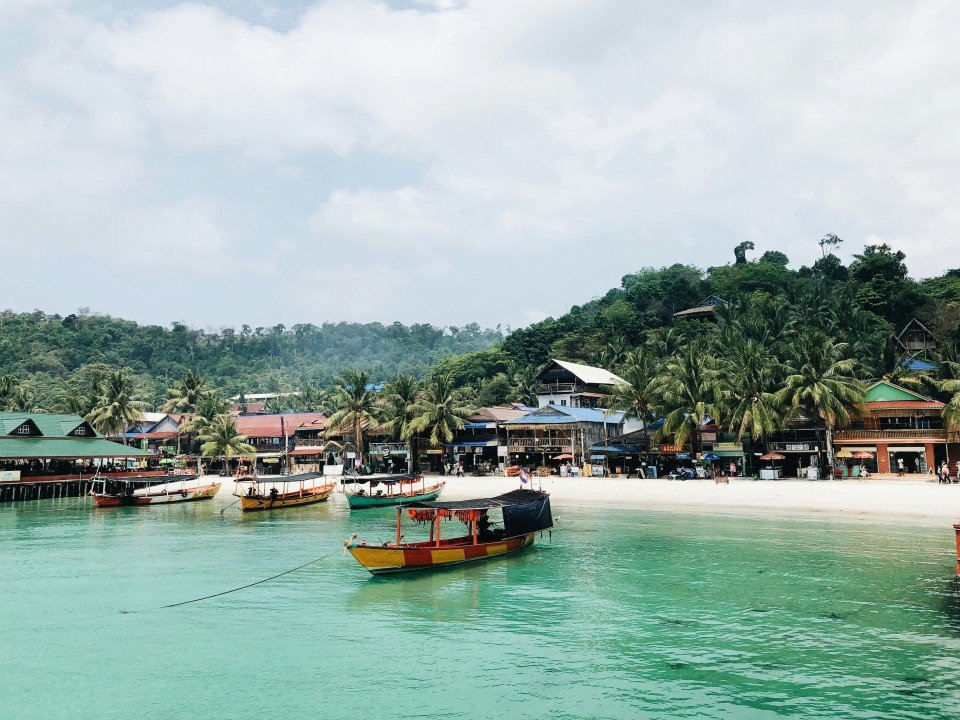
Sihanoukville
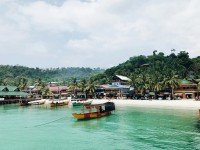
Sihanoukville is a vibrant coastal city known for its stunning beaches and lively atmosphere, making it a popular destination for both locals and tourists. With beautiful stretches of sand like Ochheuteal and Serendipity Beach, visitors can relax, swim, or indulge in various water sports.... Sihanoukville is a vibrant coastal city known for its stunning beaches and lively atmosphere, making it a popular destination for both locals and tourists. With beautiful stretches of sand like Ochheuteal and Serendipity Beach, visitors can relax, swim, or indulge in various water sports. The city also offers a range of dining options, from fresh seafood shacks to upscale restaurants, where one can savour delicious Khmer cuisine. Beyond the beaches, Sihanoukville serves as a gateway to nearby islands, such as Koh Rong and Koh Rong Samloem, which boast pristine landscapes and crystal-clear waters. With its mix of relaxation, adventure, and nightlife, Sihanoukville promises an unforgettable experience for those seeking a taste of Cambodia’s coastal charm. Read More
Ko Kut
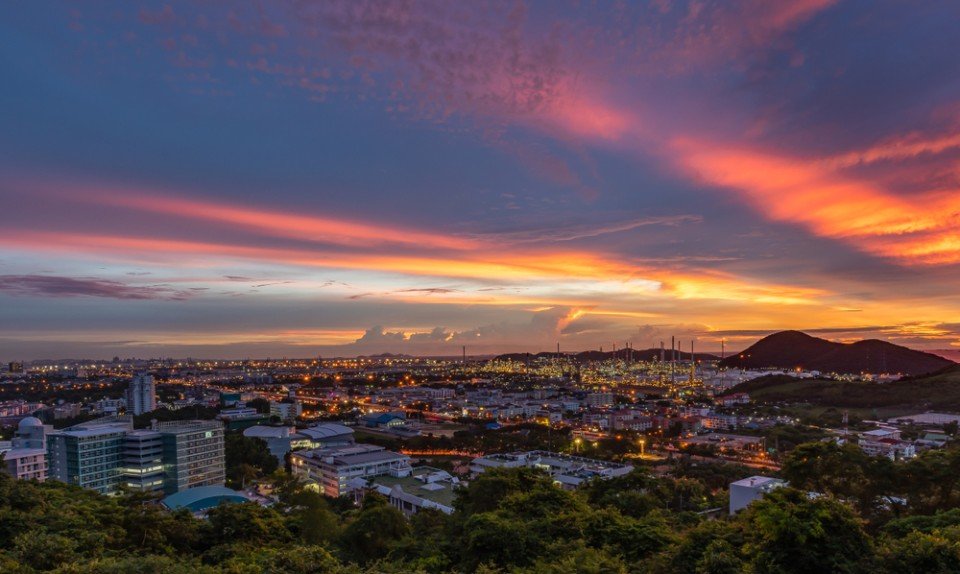
Laem Chabang
There are two Bangkoks, the ancient soul of Thailand with its long and fascinating history and the frantic, modern metropolis that embraces the latest trends both Eastern and Western. The two blend together remarkably well—even the most jarring juxtapositions of old and new somehow make se... There are two Bangkoks, the ancient soul of Thailand with its long and fascinating history and the frantic, modern metropolis that embraces the latest trends both Eastern and Western. The two blend together remarkably well—even the most jarring juxtapositions of old and new somehow make sense. Bangkok is not only the biggest city in Thailand, but also the most mesmerizing, with some of the country's most beautiful temples and shrines. The city's energy is palpable, especially at night, when traffic opens up a bit, its famous markets get going, and everything seems lit up—from its proudest monuments to its seediest streets. When Ayutthaya was besieged and pillaged by the Burmese in 1766, Thonburi became Thailand's capital. The Thais call Bangkok Krung Thep (City of Angels), and in 1782 King Rama I moved his capital here, just across the Chao Praya River. Laem Chabang is approximately 130 km (81 mi) from Bangkok. Read More
Ko Kut
Sihanoukville
Sihanoukville is a vibrant coastal city known for its stunning beaches and lively atmosphere, making it a popular destination for both locals and tourists. With beautiful stretches of sand like Ochheuteal and Serendipity Beach, visitors can relax, swim, or indulge in various water sports.... Sihanoukville is a vibrant coastal city known for its stunning beaches and lively atmosphere, making it a popular destination for both locals and tourists. With beautiful stretches of sand like Ochheuteal and Serendipity Beach, visitors can relax, swim, or indulge in various water sports. The city also offers a range of dining options, from fresh seafood shacks to upscale restaurants, where one can savour delicious Khmer cuisine. Beyond the beaches, Sihanoukville serves as a gateway to nearby islands, such as Koh Rong and Koh Rong Samloem, which boast pristine landscapes and crystal-clear waters. With its mix of relaxation, adventure, and nightlife, Sihanoukville promises an unforgettable experience for those seeking a taste of Cambodia’s coastal charm. Read More
Phú Quốc
Ho Chi Minh City
Romantically referred to by the French as the Pearl of the Orient, Ho Chi Minh City today is a super-charged city of sensory overload. Motorbikes zoom day and night along the wide boulevards, through the narrow back alleys and past vendors pushing handcarts hawking goods of all description... Romantically referred to by the French as the Pearl of the Orient, Ho Chi Minh City today is a super-charged city of sensory overload. Motorbikes zoom day and night along the wide boulevards, through the narrow back alleys and past vendors pushing handcarts hawking goods of all descriptions. Still called Saigon by most residents, this is Vietnam's largest city and the engine driving the country's current economic resurgence, but despite its frenetic pace, it's a friendlier place than Hanoi and locals will tell you the food—simple, tasty, and incorporating many fresh herbs—is infinitely better than in the capital.This is a city full of surprises. The madness of the city's traffic—witness the oddball things that are transported on the back of motorcycles—is countered by tranquil pagodas, peaceful parks, quirky coffee shops, and whole neighborhoods hidden down tiny alleyways, although some of these quiet spots can be difficult to track down. Life in Ho Chi Minh City is lived in public: on the back of motorcycles, on the sidewalks, and in the parks. Even when its residents are at home, they're still on display. With many living rooms opening onto the street, grandmothers napping, babies being rocked, and food being prepared, are all in full view of passersby.Icons of the past endure in the midst of the city’s headlong rush into capitalism. The Hotel Continental, immortalized in Graham Greene's The Quiet American, continues to stand on the corner of old Indochina's most famous thoroughfare, the rue Catinat, known to American G.I.s during the Vietnam War as Tu Do (Freedom) Street and renamed Dong Khoi (Uprising) Street by the Communists. The city still has its ornate opera house and its old French city hall, the Hôtel de Ville. The broad colonial boulevards leading to the Saigon River and the gracious stucco villas are other remnants of the French colonial presence. Grisly reminders of the more recent past can be seen at the city's war-related museums. Residents, however, prefer to look forward rather than back and are often perplexed by tourists' fascination with a war that ended 40 years ago.The Chinese influence on the country is still very much in evidence in the Cholon district, the city's Chinatown, but the modern office towers and international hotels that mark the skyline symbolize Vietnam's fixation on the future. Read More
Ho Chi Minh City
Romantically referred to by the French as the Pearl of the Orient, Ho Chi Minh City today is a super-charged city of sensory overload. Motorbikes zoom day and night along the wide boulevards, through the narrow back alleys and past vendors pushing handcarts hawking goods of all description... Romantically referred to by the French as the Pearl of the Orient, Ho Chi Minh City today is a super-charged city of sensory overload. Motorbikes zoom day and night along the wide boulevards, through the narrow back alleys and past vendors pushing handcarts hawking goods of all descriptions. Still called Saigon by most residents, this is Vietnam's largest city and the engine driving the country's current economic resurgence, but despite its frenetic pace, it's a friendlier place than Hanoi and locals will tell you the food—simple, tasty, and incorporating many fresh herbs—is infinitely better than in the capital.This is a city full of surprises. The madness of the city's traffic—witness the oddball things that are transported on the back of motorcycles—is countered by tranquil pagodas, peaceful parks, quirky coffee shops, and whole neighborhoods hidden down tiny alleyways, although some of these quiet spots can be difficult to track down. Life in Ho Chi Minh City is lived in public: on the back of motorcycles, on the sidewalks, and in the parks. Even when its residents are at home, they're still on display. With many living rooms opening onto the street, grandmothers napping, babies being rocked, and food being prepared, are all in full view of passersby.Icons of the past endure in the midst of the city’s headlong rush into capitalism. The Hotel Continental, immortalized in Graham Greene's The Quiet American, continues to stand on the corner of old Indochina's most famous thoroughfare, the rue Catinat, known to American G.I.s during the Vietnam War as Tu Do (Freedom) Street and renamed Dong Khoi (Uprising) Street by the Communists. The city still has its ornate opera house and its old French city hall, the Hôtel de Ville. The broad colonial boulevards leading to the Saigon River and the gracious stucco villas are other remnants of the French colonial presence. Grisly reminders of the more recent past can be seen at the city's war-related museums. Residents, however, prefer to look forward rather than back and are often perplexed by tourists' fascination with a war that ended 40 years ago.The Chinese influence on the country is still very much in evidence in the Cholon district, the city's Chinatown, but the modern office towers and international hotels that mark the skyline symbolize Vietnam's fixation on the future. Read More
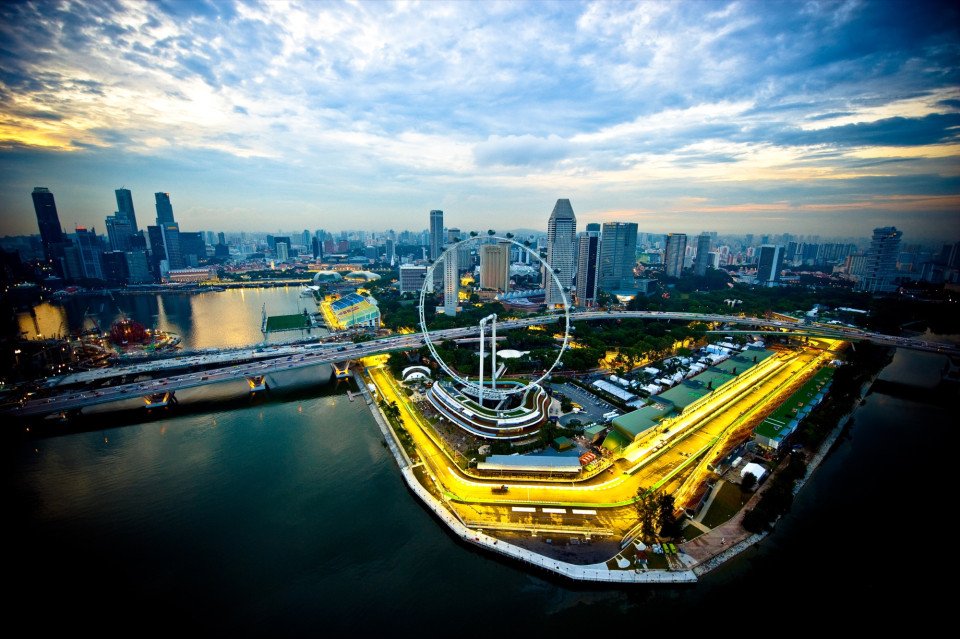
Singapore
The main island of Singapore is shaped like a flattened diamond, 42 km (26 miles) east to west and 23 km (14 miles) north to south. Near the northern peak is the causeway leading to West Malaysia—Kuala Lumpur is less than four hours away by car. It is at the southern foot where you will fi... The main island of Singapore is shaped like a flattened diamond, 42 km (26 miles) east to west and 23 km (14 miles) north to south. Near the northern peak is the causeway leading to West Malaysia—Kuala Lumpur is less than four hours away by car. It is at the southern foot where you will find most of the city-state’s action, with its gleaming office towers, working docks, and futuristic "supertrees," which are solar-powered and serve as vertical gardens. Offshore are Sentosa and over 60 smaller islands, most uninhabited, that serve as bases for oil refining or as playgrounds and beach escapes from the city. To the east is Changi International Airport, connected to the city by metro, bus, and a tree-lined parkway. Of the island's total land area, more than half is built up, with the balance made up of parkland, farmland, plantations, swamp areas, and rain forest. Well-paved roads connect all parts of the island, and Singapore city has an excellent, and constantly expanding, public transportation system. The heart of Singapore's history and its modern wealth are in and around the Central Business District. The area includes the skyscrapers in the Central Business District, the 19th-century Raffles Hotel, the convention centers of Marina Square, on up to the top of Ft. Canning. Although most of old Singapore has been knocked down to make way for the modern city, most colonial landmarks have been preserved in the CBD, including early-19th-century buildings designed by the Irish architect George Coleman. Read More
Singapore
The main island of Singapore is shaped like a flattened diamond, 42 km (26 miles) east to west and 23 km (14 miles) north to south. Near the northern peak is the causeway leading to West Malaysia—Kuala Lumpur is less than four hours away by car. It is at the southern foot where you will fi... The main island of Singapore is shaped like a flattened diamond, 42 km (26 miles) east to west and 23 km (14 miles) north to south. Near the northern peak is the causeway leading to West Malaysia—Kuala Lumpur is less than four hours away by car. It is at the southern foot where you will find most of the city-state’s action, with its gleaming office towers, working docks, and futuristic "supertrees," which are solar-powered and serve as vertical gardens. Offshore are Sentosa and over 60 smaller islands, most uninhabited, that serve as bases for oil refining or as playgrounds and beach escapes from the city. To the east is Changi International Airport, connected to the city by metro, bus, and a tree-lined parkway. Of the island's total land area, more than half is built up, with the balance made up of parkland, farmland, plantations, swamp areas, and rain forest. Well-paved roads connect all parts of the island, and Singapore city has an excellent, and constantly expanding, public transportation system. The heart of Singapore's history and its modern wealth are in and around the Central Business District. The area includes the skyscrapers in the Central Business District, the 19th-century Raffles Hotel, the convention centers of Marina Square, on up to the top of Ft. Canning. Although most of old Singapore has been knocked down to make way for the modern city, most colonial landmarks have been preserved in the CBD, including early-19th-century buildings designed by the Irish architect George Coleman. Read More
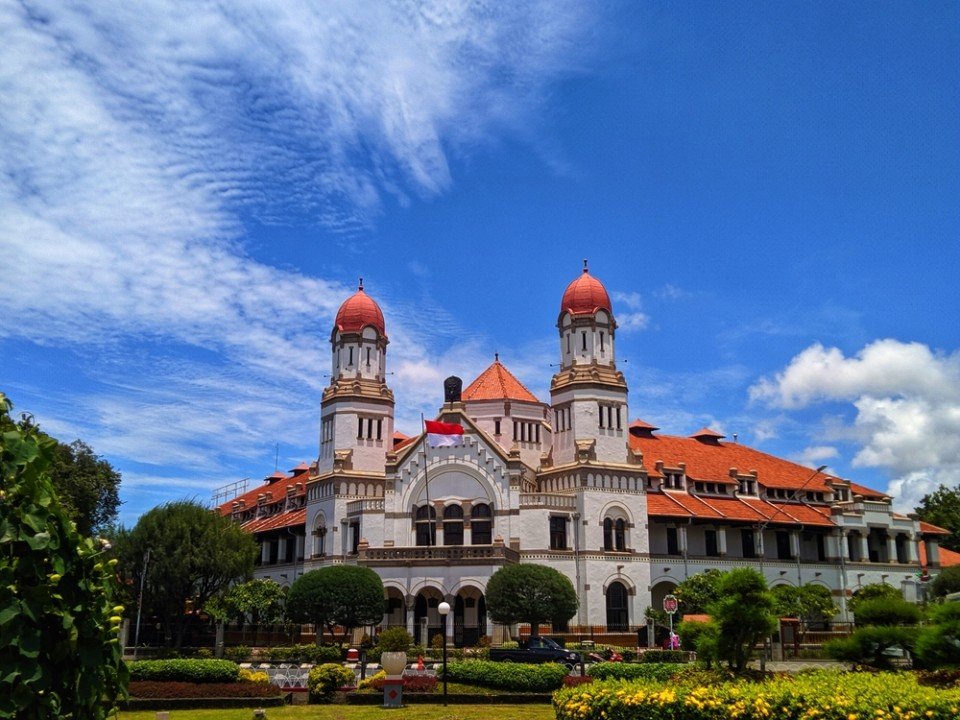
Semarang
Semarang is one of the oldest cities in Indonesia, situated on Java's north coast between the shore of the Java Sea and a small ridge of mountains. Ceded to the Dutch West India Company in 1677 by King Amangkurat I in payment of his debts, it became their headquarters and the seat of the D... Semarang is one of the oldest cities in Indonesia, situated on Java's north coast between the shore of the Java Sea and a small ridge of mountains. Ceded to the Dutch West India Company in 1677 by King Amangkurat I in payment of his debts, it became their headquarters and the seat of the Dutch governor of the northeast provinces. Semarang's usefulness as a port waned due to the gradual silting up of the harbor; by the 19th century, Surabaya had eclipsed Semarang as Java's premier port. With a population of over one million, a third of whom are thought to be of Chinese extraction, Semarang is the largest city in Central Java and its administrative capital. The city consists of two parts: the coastal lowland where most of the commercial activities are found; and the hilly residential area. Although more a business center than a city for tourists, Semarang serves as a popular gateway to the mountainous interior of Central Java and to fabled Borobudur. Read More
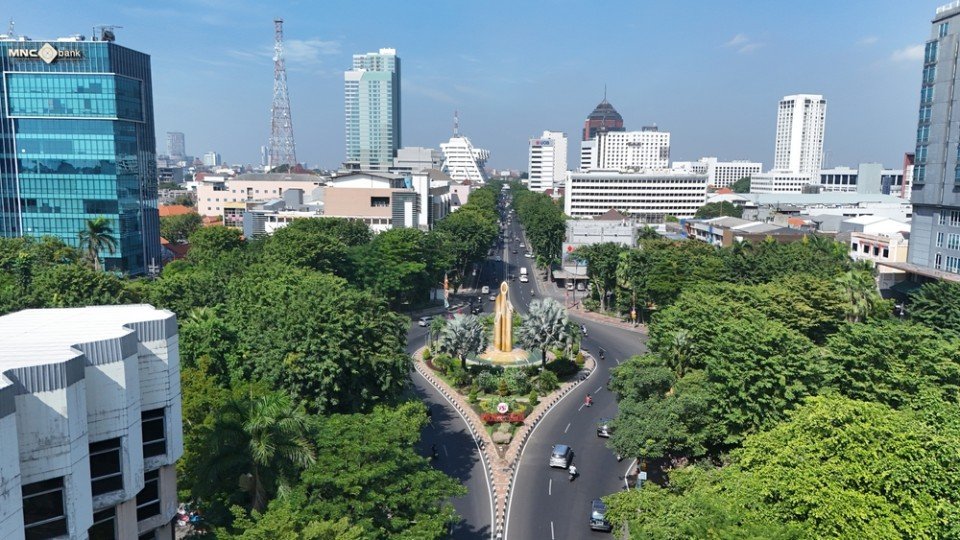
Surabaya
Surabaya, Indonesia’s second-largest city, is a vibrant hub of culture, commerce, and history. Known as the "City of Heroes," Surabaya played a significant role in Indonesia's struggle for independence and boasts numerous historical landmarks, including the iconic Heroes Monument. Th... Surabaya, Indonesia’s second-largest city, is a vibrant hub of culture, commerce, and history. Known as the "City of Heroes," Surabaya played a significant role in Indonesia's struggle for independence and boasts numerous historical landmarks, including the iconic Heroes Monument. The city features a lively mix of modern skyscrapers and traditional markets, with the bustling Arab Quarter showcasing a rich tapestry of culture and cuisine. Surabaya is famous for its delicious local dishes, such as rawon (a rich beef soup) and rujak cingur (a unique salad), making it a foodie’s delight. Additionally, the city's strategic location makes it a gateway to the beautiful islands of East Java, including the breathtaking Mount Bromo. With its dynamic atmosphere and rich heritage, Surabaya offers a unique glimpse into Indonesia's diverse culture. Read More
Benoa, Bali
Bali really is as alluring as everyone says. This island, slightly bigger than Delaware, has it all: beaches, volcanoes, terraced rice fields, forests, renowned resorts, surfing, golf, and world-class dive sites. But what sets Bali apart from other nearby tropical destinations is Balinese... Bali really is as alluring as everyone says. This island, slightly bigger than Delaware, has it all: beaches, volcanoes, terraced rice fields, forests, renowned resorts, surfing, golf, and world-class dive sites. But what sets Bali apart from other nearby tropical destinations is Balinese tradition, and villagers dedicated to celebrating it. The hundreds of temples, dances, rituals, and crafts linked to their ancient Hindu faith aren't a show for tourists, but a living, breathing culture in which visitors are warmly received by the Balinese, who cherish their own identities. Read More
Benoa, Bali
Bali really is as alluring as everyone says. This island, slightly bigger than Delaware, has it all: beaches, volcanoes, terraced rice fields, forests, renowned resorts, surfing, golf, and world-class dive sites. But what sets Bali apart from other nearby tropical destinations is Balinese... Bali really is as alluring as everyone says. This island, slightly bigger than Delaware, has it all: beaches, volcanoes, terraced rice fields, forests, renowned resorts, surfing, golf, and world-class dive sites. But what sets Bali apart from other nearby tropical destinations is Balinese tradition, and villagers dedicated to celebrating it. The hundreds of temples, dances, rituals, and crafts linked to their ancient Hindu faith aren't a show for tourists, but a living, breathing culture in which visitors are warmly received by the Balinese, who cherish their own identities. Read More
Benoa, Bali
Bali really is as alluring as everyone says. This island, slightly bigger than Delaware, has it all: beaches, volcanoes, terraced rice fields, forests, renowned resorts, surfing, golf, and world-class dive sites. But what sets Bali apart from other nearby tropical destinations is Balinese... Bali really is as alluring as everyone says. This island, slightly bigger than Delaware, has it all: beaches, volcanoes, terraced rice fields, forests, renowned resorts, surfing, golf, and world-class dive sites. But what sets Bali apart from other nearby tropical destinations is Balinese tradition, and villagers dedicated to celebrating it. The hundreds of temples, dances, rituals, and crafts linked to their ancient Hindu faith aren't a show for tourists, but a living, breathing culture in which visitors are warmly received by the Balinese, who cherish their own identities. Read More
Moyo Island
Moyo Island is a tranquil and picturesque destination located in West Nusa Tenggara, Indonesia, renowned for its stunning natural beauty and pristine landscapes. Known for its lush rainforests, crystal-clear waters, and vibrant marine life, the island offers a perfect retreat for nature lo... Moyo Island is a tranquil and picturesque destination located in West Nusa Tenggara, Indonesia, renowned for its stunning natural beauty and pristine landscapes. Known for its lush rainforests, crystal-clear waters, and vibrant marine life, the island offers a perfect retreat for nature lovers and adventure seekers. Visitors can explore beautiful beaches like Liar Beach, dive or snorkel in vibrant coral reefs, and hike through lush jungles to discover stunning waterfalls, such as the famous Mata Jitu Waterfall. Moyo Island is also home to diverse wildlife, making it a great spot for birdwatching. With its serene atmosphere and unspoiled beauty, Moyo Island provides an idyllic escape from the hustle and bustle of everyday life, making it a hidden gem for those seeking relaxation and adventure in Indonesia. Read More
Makassar
Derawan Islands
Boheydulang Island
Sandakan, Sabah
Borneo's forbidding interior made it less attractive to early traders and explorers than neighboring areas, so what is now the state of Sabah remained unexploited by the British until the late 19th century, although traders long visited for exotic items such as bird's nests (for the celebr... Borneo's forbidding interior made it less attractive to early traders and explorers than neighboring areas, so what is now the state of Sabah remained unexploited by the British until the late 19th century, although traders long visited for exotic items such as bird's nests (for the celebrated Chinese soup). In 1963, Sabah joined Sarawak, Malaya, and Singapore (which later seceded) in forming the Federation of Malaysia. Known as the "Land Below the Wind" because it's south of the typhoon belt, Sabah occupies Borneo's northern tip. It shares its southwestern border with Sarawak and the rest of its southern border with the Indonesian province of East Kalimantan. Today vast tracts of forest have been replaced by oil-palm plantations, and a sizable portion of remaining forest land is protected in national parks or conservation areas.On the shore of a deep bay, Sandakan was the capital of British North Borneo and one of the most important towns in Southeast Asia from the 1880s through the 1930s. But Japanese occupation during World War II and allied bombing virtually destroyed the town, and the capital was transferred to Jesselton (now Kota Kinabalu) in 1946. Sandakan enjoyed a revival in the 1970s as the center of the region's logging industry. Logging has since declined, but Sandakan is still worth visiting for its rich history and proximity to some of Borneo's most accessible wildlife attractions. Sandakan's downtown, much of it built on landfill, is squeezed between a steep promontory and Sandakan Bay. In recent years, this city of 450,000 (counting its extensive suburbs) has begun redeveloping its downtown waterfront into a shopping and nightlife hub. Its working harbor area for passengers and cargo is 6 km (4 miles) west of downtown. Read More
Puerto Princesa, Palawan
The Spanish arrived at this beautiful corner of the world in March of 1872, founding the city, that would eventually become the Capital of Palawan. In 2011, the area received a huge boost, when New7 announced its list of the 7 Wonders of Nature – counting 500 million votes in the process.... The Spanish arrived at this beautiful corner of the world in March of 1872, founding the city, that would eventually become the Capital of Palawan. In 2011, the area received a huge boost, when New7 announced its list of the 7 Wonders of Nature – counting 500 million votes in the process. Puerto Princesa’s stunning underground river - complete with a cavernous, sunken lagoon - beat off wonderful sites like the Great Barrier Reef, to claim a spot on the final, prestigious list. Set sail across the glowing green water, on a journey into the gaping mouth of the limestone caves at Puerto Princesa. Known for being one of the least densely populated, cleanest and most environmentally friendly cities in the Philippines, there’s a raft of natural wonders to explore - from diving hotspots to towering limestone cliffs, and the entrancing underworld of the underground river. Read More
Puerto Princesa, Palawan
The Spanish arrived at this beautiful corner of the world in March of 1872, founding the city, that would eventually become the Capital of Palawan. In 2011, the area received a huge boost, when New7 announced its list of the 7 Wonders of Nature – counting 500 million votes in the process.... The Spanish arrived at this beautiful corner of the world in March of 1872, founding the city, that would eventually become the Capital of Palawan. In 2011, the area received a huge boost, when New7 announced its list of the 7 Wonders of Nature – counting 500 million votes in the process. Puerto Princesa’s stunning underground river - complete with a cavernous, sunken lagoon - beat off wonderful sites like the Great Barrier Reef, to claim a spot on the final, prestigious list. Set sail across the glowing green water, on a journey into the gaping mouth of the limestone caves at Puerto Princesa. Known for being one of the least densely populated, cleanest and most environmentally friendly cities in the Philippines, there’s a raft of natural wonders to explore - from diving hotspots to towering limestone cliffs, and the entrancing underworld of the underground river. Read More
El Nido/Puerto Princesa
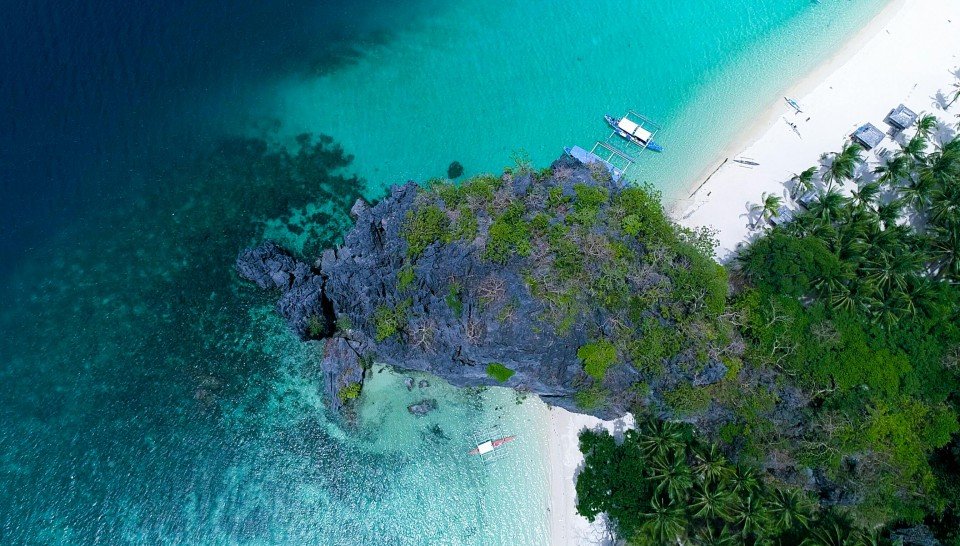
El Nido and Puerto Princesa, both located in Palawan, Philippines, are celebrated for their breathtaking natural beauty and rich ecosystems. El Nido is renowned for its stunning limestone cliffs, crystal-clear lagoons, and pristine beaches, making it a top destination for island-hopping ad... El Nido and Puerto Princesa, both located in Palawan, Philippines, are celebrated for their breathtaking natural beauty and rich ecosystems. El Nido is renowned for its stunning limestone cliffs, crystal-clear lagoons, and pristine beaches, making it a top destination for island-hopping adventures. Visitors can explore hidden coves, snorkel in vibrant coral gardens, and relax on idyllic shores, while the picturesque Bacuit Archipelago offers some of the most Instagrammable landscapes in the world. Meanwhile, Puerto Princesa, the capital of Palawan, is famous for its remarkable Underground River, a UNESCO World Heritage site where guided boat tours navigate an impressive cave system. The city also boasts lush parks, vibrant markets, and a rich cultural heritage, providing a perfect blend of adventure and relaxation. Together, El Nido and Puerto Princesa showcase the stunning diversity of Palawan, making it a must-visit destination for nature lovers and adventure seekers alike. Read More
Boracay Island
Boracay Island, located in the Philippines, is famous for its stunning white-sand beaches and vibrant nightlife. The island’s flagship White Beach is renowned for its powdery sand and crystal-clear waters, making it a popular destination for sunbathers and water sports enthusiasts al... Boracay Island, located in the Philippines, is famous for its stunning white-sand beaches and vibrant nightlife. The island’s flagship White Beach is renowned for its powdery sand and crystal-clear waters, making it a popular destination for sunbathers and water sports enthusiasts alike. Beyond the beach, visitors can explore vibrant local markets, indulge in delicious Filipino cuisine, and enjoy a variety of activities, from parasailing to island hopping. As the sun sets, Boracay transforms into a lively hub of bars and restaurants, offering a dynamic atmosphere for nightlife lovers. With its breathtaking landscapes and welcoming spirit, Boracay Island promises an unforgettable tropical getaway. Read More
Corregidor Island
Manila
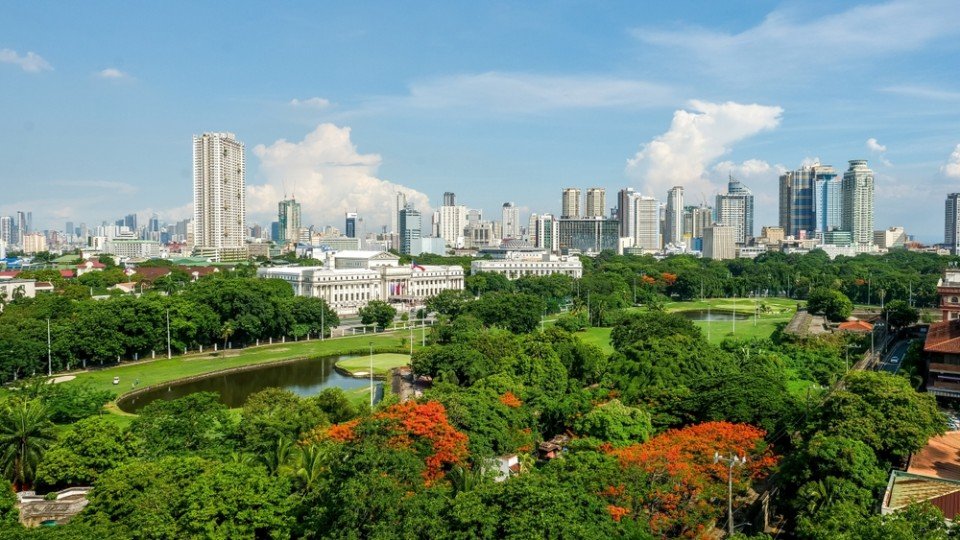
MANILA, the capital city of the Philippines, was founded in, 1571 by Spanish conquistador Miguel López de Legazpi. It is one of the oldest cities in the country and was the seat of power for most of the colonial rules of the Philippines. It is situated on the eastern shore of Manila Bay an... MANILA, the capital city of the Philippines, was founded in, 1571 by Spanish conquistador Miguel López de Legazpi. It is one of the oldest cities in the country and was the seat of power for most of the colonial rules of the Philippines. It is situated on the eastern shore of Manila Bay and contains a multitude of landmarks, some of which date back to the 16th century. It is home to the baroque 16th-century San Agustin Church as well as Fort Santiago, a storied citadel and military prison. In the 19th century Manila became one of the most modern cities in Asia. Before the Spanish–American War, Manila saw the rise of the Philippine Revolution. Under the American rule following the Spanish-American War, the United States changed the official language from Spanish to English. Towards the end of World War II, during the Battle of Manila, most of the city was flattened by intensive aerial bombardment. Today, tourism is a vital industry in Manila. Major shopping malls and bazaars thrive around Manila. Read More
Manila
MANILA, the capital city of the Philippines, was founded in, 1571 by Spanish conquistador Miguel López de Legazpi. It is one of the oldest cities in the country and was the seat of power for most of the colonial rules of the Philippines. It is situated on the eastern shore of Manila Bay an... MANILA, the capital city of the Philippines, was founded in, 1571 by Spanish conquistador Miguel López de Legazpi. It is one of the oldest cities in the country and was the seat of power for most of the colonial rules of the Philippines. It is situated on the eastern shore of Manila Bay and contains a multitude of landmarks, some of which date back to the 16th century. It is home to the baroque 16th-century San Agustin Church as well as Fort Santiago, a storied citadel and military prison. In the 19th century Manila became one of the most modern cities in Asia. Before the Spanish–American War, Manila saw the rise of the Philippine Revolution. Under the American rule following the Spanish-American War, the United States changed the official language from Spanish to English. Towards the end of World War II, during the Battle of Manila, most of the city was flattened by intensive aerial bombardment. Today, tourism is a vital industry in Manila. Major shopping malls and bazaars thrive around Manila. Read More
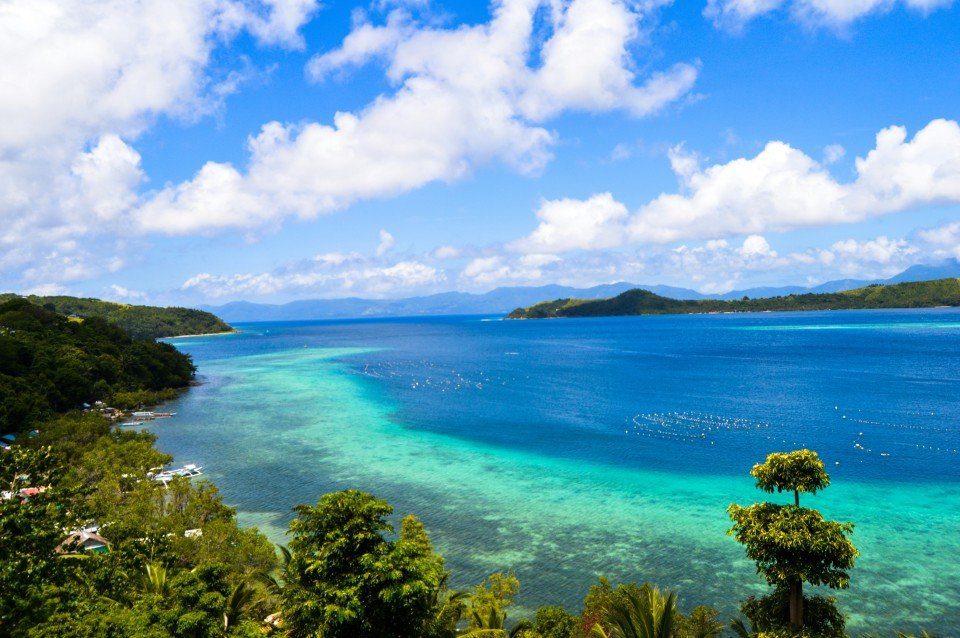
Romblon
The scattering of islands that make up Romblon Province are some of the Philippines’ most heavenly – and even better, the secret’s not yet out. White is a common theme here, whether it’s the polished sheen of pure white marble, sculpted by the region’s master craftsmen, or the sugar-white... The scattering of islands that make up Romblon Province are some of the Philippines’ most heavenly – and even better, the secret’s not yet out. White is a common theme here, whether it’s the polished sheen of pure white marble, sculpted by the region’s master craftsmen, or the sugar-white sands of the deserted, idyllic beaches that lie hidden on the province’s islands. Rent a habal-habal scooter to putter through jungle, discovering your own slices of idyllic sand, or take moonlit walks through forests that glitter with fireflies at night. Read More
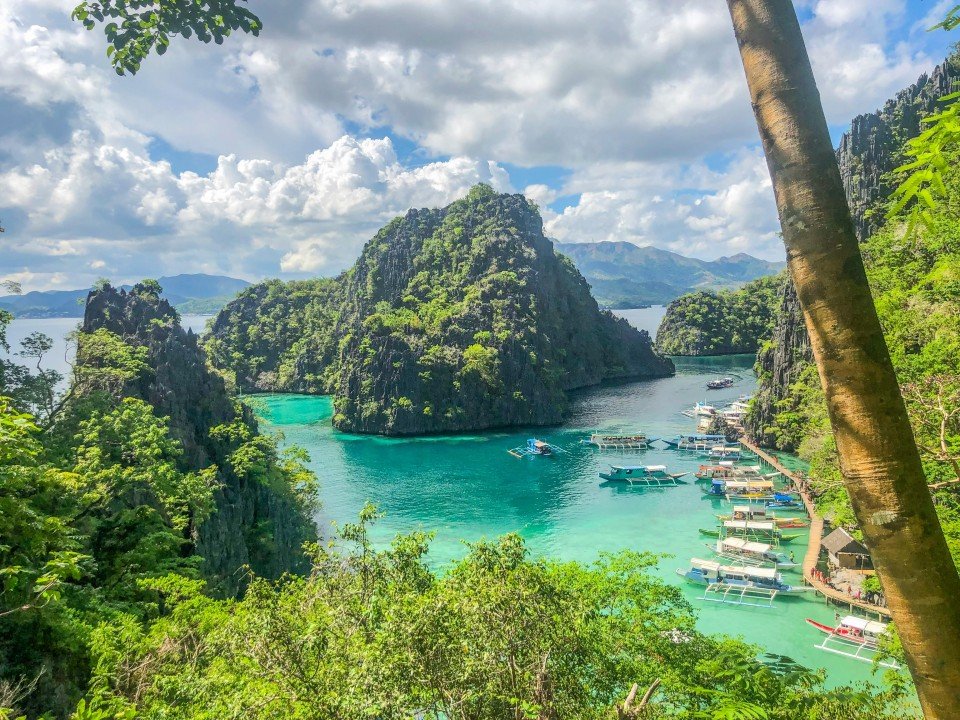
Coron Island
Spoken of with awed reverence in scuba-diving circles, Coron's dramatic rock protrusions, which jut from emerald seas and glorious sweeps of sand, make it a destination that you can't help but dive into. The perfect base for an adventure holiday, Coron's exquisite setting means you'll face... Spoken of with awed reverence in scuba-diving circles, Coron's dramatic rock protrusions, which jut from emerald seas and glorious sweeps of sand, make it a destination that you can't help but dive into. The perfect base for an adventure holiday, Coron's exquisite setting means you'll face taxing choices on a daily basis - to spend the day relaxing on the soft sand, or to pound through the jungle on horseback? Whether you choose relaxation or all-out-action, you're sure to fall head over heels for Coron's beauty. Read More
El Nido/Puerto Princesa
El Nido and Puerto Princesa, both located in Palawan, Philippines, are celebrated for their breathtaking natural beauty and rich ecosystems. El Nido is renowned for its stunning limestone cliffs, crystal-clear lagoons, and pristine beaches, making it a top destination for island-hopping ad... El Nido and Puerto Princesa, both located in Palawan, Philippines, are celebrated for their breathtaking natural beauty and rich ecosystems. El Nido is renowned for its stunning limestone cliffs, crystal-clear lagoons, and pristine beaches, making it a top destination for island-hopping adventures. Visitors can explore hidden coves, snorkel in vibrant coral gardens, and relax on idyllic shores, while the picturesque Bacuit Archipelago offers some of the most Instagrammable landscapes in the world. Meanwhile, Puerto Princesa, the capital of Palawan, is famous for its remarkable Underground River, a UNESCO World Heritage site where guided boat tours navigate an impressive cave system. The city also boasts lush parks, vibrant markets, and a rich cultural heritage, providing a perfect blend of adventure and relaxation. Together, El Nido and Puerto Princesa showcase the stunning diversity of Palawan, making it a must-visit destination for nature lovers and adventure seekers alike. Read More
Puerto Princesa, Palawan
The Spanish arrived at this beautiful corner of the world in March of 1872, founding the city, that would eventually become the Capital of Palawan. In 2011, the area received a huge boost, when New7 announced its list of the 7 Wonders of Nature – counting 500 million votes in the process.... The Spanish arrived at this beautiful corner of the world in March of 1872, founding the city, that would eventually become the Capital of Palawan. In 2011, the area received a huge boost, when New7 announced its list of the 7 Wonders of Nature – counting 500 million votes in the process. Puerto Princesa’s stunning underground river - complete with a cavernous, sunken lagoon - beat off wonderful sites like the Great Barrier Reef, to claim a spot on the final, prestigious list. Set sail across the glowing green water, on a journey into the gaping mouth of the limestone caves at Puerto Princesa. Known for being one of the least densely populated, cleanest and most environmentally friendly cities in the Philippines, there’s a raft of natural wonders to explore - from diving hotspots to towering limestone cliffs, and the entrancing underworld of the underground river. Read More
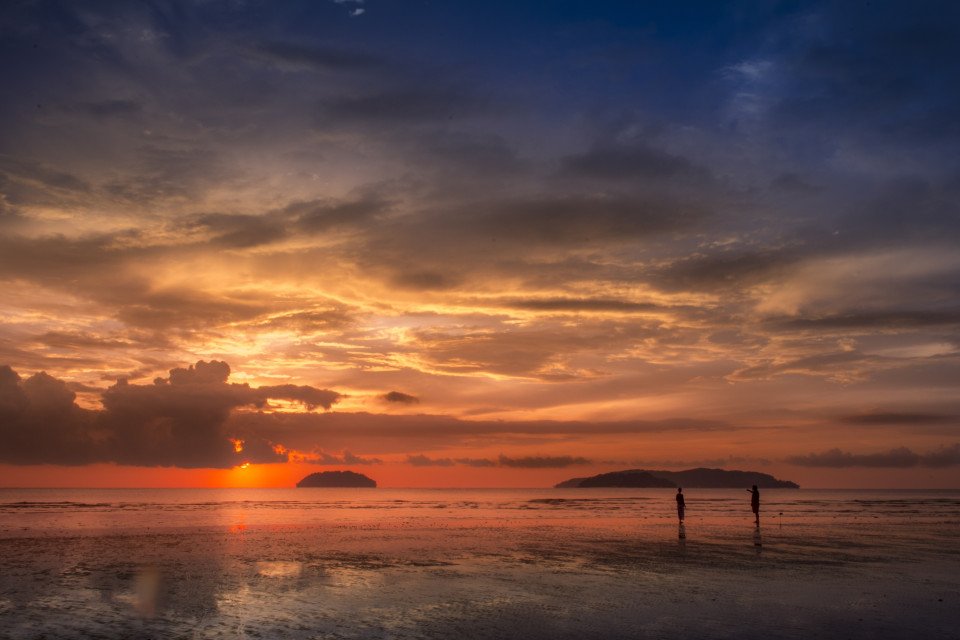
Kota Kinabalu, Sabah
The capital of Sabah, Borneo's northernmost state, Kota Kinabalu is wedged between a tropical rainforest and the South China Sea. Many explorers use it as a launching point to venture off and see the surrounding jungle and marine life. Mt. Kinabalu challenges climbers daily, and top diving... The capital of Sabah, Borneo's northernmost state, Kota Kinabalu is wedged between a tropical rainforest and the South China Sea. Many explorers use it as a launching point to venture off and see the surrounding jungle and marine life. Mt. Kinabalu challenges climbers daily, and top diving spots reel in underwater adventurers. The city is made up of a dense grid of concrete buildings built over reclaimed land along the coast. Several waterfront seafood restaurants and a diverse mix of hotels appeal to the travelers passing through, mostly off to explore the region. Read More
Kota Kinabalu, Sabah
The capital of Sabah, Borneo's northernmost state, Kota Kinabalu is wedged between a tropical rainforest and the South China Sea. Many explorers use it as a launching point to venture off and see the surrounding jungle and marine life. Mt. Kinabalu challenges climbers daily, and top diving... The capital of Sabah, Borneo's northernmost state, Kota Kinabalu is wedged between a tropical rainforest and the South China Sea. Many explorers use it as a launching point to venture off and see the surrounding jungle and marine life. Mt. Kinabalu challenges climbers daily, and top diving spots reel in underwater adventurers. The city is made up of a dense grid of concrete buildings built over reclaimed land along the coast. Several waterfront seafood restaurants and a diverse mix of hotels appeal to the travelers passing through, mostly off to explore the region. Read More
Nha Trang
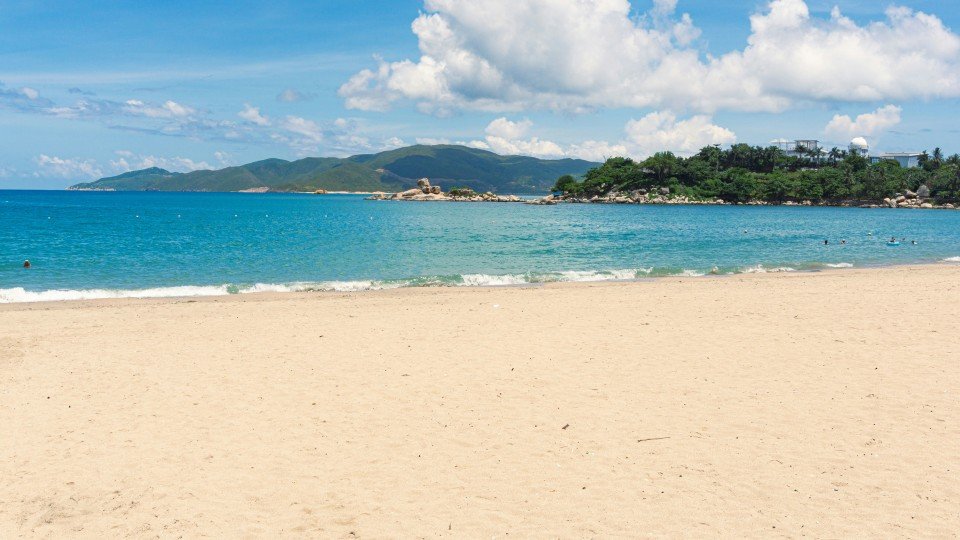
Nha Trang is a stunning coastal city known for its beautiful beaches and vibrant atmosphere. With its long stretches of golden sand and clear blue waters, it’s a popular destination for sun-seekers and water sports enthusiasts alike. The city boasts a lively promenade filled with caf... Nha Trang is a stunning coastal city known for its beautiful beaches and vibrant atmosphere. With its long stretches of golden sand and clear blue waters, it’s a popular destination for sun-seekers and water sports enthusiasts alike. The city boasts a lively promenade filled with cafes, restaurants, and bars, offering a taste of local cuisine and nightlife. Visitors can explore the impressive Po Nagar Cham Towers, which reflect the region's rich history, or indulge in relaxing spa treatments that Nha Trang is famous for. With a backdrop of lush mountains and a laid-back vibe, Nha Trang provides the perfect blend of relaxation and adventure for all types of travellers. Read More
Ho Chi Minh City
Romantically referred to by the French as the Pearl of the Orient, Ho Chi Minh City today is a super-charged city of sensory overload. Motorbikes zoom day and night along the wide boulevards, through the narrow back alleys and past vendors pushing handcarts hawking goods of all description... Romantically referred to by the French as the Pearl of the Orient, Ho Chi Minh City today is a super-charged city of sensory overload. Motorbikes zoom day and night along the wide boulevards, through the narrow back alleys and past vendors pushing handcarts hawking goods of all descriptions. Still called Saigon by most residents, this is Vietnam's largest city and the engine driving the country's current economic resurgence, but despite its frenetic pace, it's a friendlier place than Hanoi and locals will tell you the food—simple, tasty, and incorporating many fresh herbs—is infinitely better than in the capital.This is a city full of surprises. The madness of the city's traffic—witness the oddball things that are transported on the back of motorcycles—is countered by tranquil pagodas, peaceful parks, quirky coffee shops, and whole neighborhoods hidden down tiny alleyways, although some of these quiet spots can be difficult to track down. Life in Ho Chi Minh City is lived in public: on the back of motorcycles, on the sidewalks, and in the parks. Even when its residents are at home, they're still on display. With many living rooms opening onto the street, grandmothers napping, babies being rocked, and food being prepared, are all in full view of passersby.Icons of the past endure in the midst of the city’s headlong rush into capitalism. The Hotel Continental, immortalized in Graham Greene's The Quiet American, continues to stand on the corner of old Indochina's most famous thoroughfare, the rue Catinat, known to American G.I.s during the Vietnam War as Tu Do (Freedom) Street and renamed Dong Khoi (Uprising) Street by the Communists. The city still has its ornate opera house and its old French city hall, the Hôtel de Ville. The broad colonial boulevards leading to the Saigon River and the gracious stucco villas are other remnants of the French colonial presence. Grisly reminders of the more recent past can be seen at the city's war-related museums. Residents, however, prefer to look forward rather than back and are often perplexed by tourists' fascination with a war that ended 40 years ago.The Chinese influence on the country is still very much in evidence in the Cholon district, the city's Chinatown, but the modern office towers and international hotels that mark the skyline symbolize Vietnam's fixation on the future. Read More
Ho Chi Minh City
Romantically referred to by the French as the Pearl of the Orient, Ho Chi Minh City today is a super-charged city of sensory overload. Motorbikes zoom day and night along the wide boulevards, through the narrow back alleys and past vendors pushing handcarts hawking goods of all description... Romantically referred to by the French as the Pearl of the Orient, Ho Chi Minh City today is a super-charged city of sensory overload. Motorbikes zoom day and night along the wide boulevards, through the narrow back alleys and past vendors pushing handcarts hawking goods of all descriptions. Still called Saigon by most residents, this is Vietnam's largest city and the engine driving the country's current economic resurgence, but despite its frenetic pace, it's a friendlier place than Hanoi and locals will tell you the food—simple, tasty, and incorporating many fresh herbs—is infinitely better than in the capital.This is a city full of surprises. The madness of the city's traffic—witness the oddball things that are transported on the back of motorcycles—is countered by tranquil pagodas, peaceful parks, quirky coffee shops, and whole neighborhoods hidden down tiny alleyways, although some of these quiet spots can be difficult to track down. Life in Ho Chi Minh City is lived in public: on the back of motorcycles, on the sidewalks, and in the parks. Even when its residents are at home, they're still on display. With many living rooms opening onto the street, grandmothers napping, babies being rocked, and food being prepared, are all in full view of passersby.Icons of the past endure in the midst of the city’s headlong rush into capitalism. The Hotel Continental, immortalized in Graham Greene's The Quiet American, continues to stand on the corner of old Indochina's most famous thoroughfare, the rue Catinat, known to American G.I.s during the Vietnam War as Tu Do (Freedom) Street and renamed Dong Khoi (Uprising) Street by the Communists. The city still has its ornate opera house and its old French city hall, the Hôtel de Ville. The broad colonial boulevards leading to the Saigon River and the gracious stucco villas are other remnants of the French colonial presence. Grisly reminders of the more recent past can be seen at the city's war-related museums. Residents, however, prefer to look forward rather than back and are often perplexed by tourists' fascination with a war that ended 40 years ago.The Chinese influence on the country is still very much in evidence in the Cholon district, the city's Chinatown, but the modern office towers and international hotels that mark the skyline symbolize Vietnam's fixation on the future. Read More
Côn Đảo
Singapore
The main island of Singapore is shaped like a flattened diamond, 42 km (26 miles) east to west and 23 km (14 miles) north to south. Near the northern peak is the causeway leading to West Malaysia—Kuala Lumpur is less than four hours away by car. It is at the southern foot where you will fi... The main island of Singapore is shaped like a flattened diamond, 42 km (26 miles) east to west and 23 km (14 miles) north to south. Near the northern peak is the causeway leading to West Malaysia—Kuala Lumpur is less than four hours away by car. It is at the southern foot where you will find most of the city-state’s action, with its gleaming office towers, working docks, and futuristic "supertrees," which are solar-powered and serve as vertical gardens. Offshore are Sentosa and over 60 smaller islands, most uninhabited, that serve as bases for oil refining or as playgrounds and beach escapes from the city. To the east is Changi International Airport, connected to the city by metro, bus, and a tree-lined parkway. Of the island's total land area, more than half is built up, with the balance made up of parkland, farmland, plantations, swamp areas, and rain forest. Well-paved roads connect all parts of the island, and Singapore city has an excellent, and constantly expanding, public transportation system. The heart of Singapore's history and its modern wealth are in and around the Central Business District. The area includes the skyscrapers in the Central Business District, the 19th-century Raffles Hotel, the convention centers of Marina Square, on up to the top of Ft. Canning. Although most of old Singapore has been knocked down to make way for the modern city, most colonial landmarks have been preserved in the CBD, including early-19th-century buildings designed by the Irish architect George Coleman. Read More
Jakarta
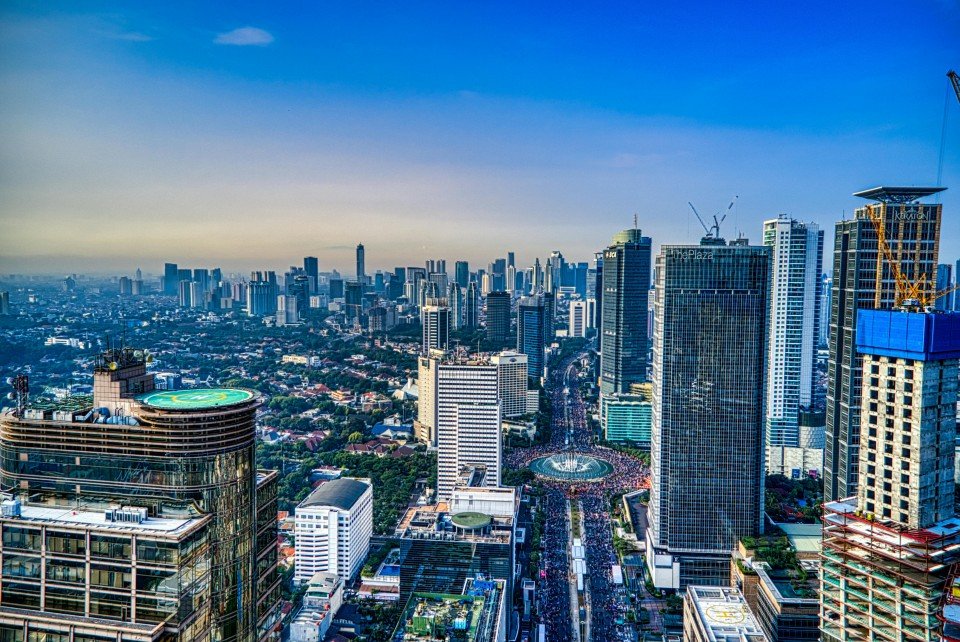
Jakarta, the bustling capital of Indonesia, is a vibrant metropolis that seamlessly blends tradition and modernity. Known for its dynamic energy, the city features a diverse cultural landscape, with a rich history reflected in its numerous museums, such as the National Museum and the Old T... Jakarta, the bustling capital of Indonesia, is a vibrant metropolis that seamlessly blends tradition and modernity. Known for its dynamic energy, the city features a diverse cultural landscape, with a rich history reflected in its numerous museums, such as the National Museum and the Old Town (Kota Tua), where visitors can explore colonial architecture and local cafes. Jakarta is also famous for its shopping districts, from luxury malls to bustling street markets, offering everything from high-end fashion to traditional handicrafts. The city’s culinary scene is equally diverse, showcasing a tantalising array of Indonesian dishes, street food, and international cuisine. With its lively nightlife, cultural events, and a mix of ethnic communities, Jakarta is an exciting destination for those looking to experience the heart of Indonesia. Read More
Semarang
Semarang is one of the oldest cities in Indonesia, situated on Java's north coast between the shore of the Java Sea and a small ridge of mountains. Ceded to the Dutch West India Company in 1677 by King Amangkurat I in payment of his debts, it became their headquarters and the seat of the D... Semarang is one of the oldest cities in Indonesia, situated on Java's north coast between the shore of the Java Sea and a small ridge of mountains. Ceded to the Dutch West India Company in 1677 by King Amangkurat I in payment of his debts, it became their headquarters and the seat of the Dutch governor of the northeast provinces. Semarang's usefulness as a port waned due to the gradual silting up of the harbor; by the 19th century, Surabaya had eclipsed Semarang as Java's premier port. With a population of over one million, a third of whom are thought to be of Chinese extraction, Semarang is the largest city in Central Java and its administrative capital. The city consists of two parts: the coastal lowland where most of the commercial activities are found; and the hilly residential area. Although more a business center than a city for tourists, Semarang serves as a popular gateway to the mountainous interior of Central Java and to fabled Borobudur. Read More
Surabaya
Surabaya, Indonesia’s second-largest city, is a vibrant hub of culture, commerce, and history. Known as the "City of Heroes," Surabaya played a significant role in Indonesia's struggle for independence and boasts numerous historical landmarks, including the iconic Heroes Monument. Th... Surabaya, Indonesia’s second-largest city, is a vibrant hub of culture, commerce, and history. Known as the "City of Heroes," Surabaya played a significant role in Indonesia's struggle for independence and boasts numerous historical landmarks, including the iconic Heroes Monument. The city features a lively mix of modern skyscrapers and traditional markets, with the bustling Arab Quarter showcasing a rich tapestry of culture and cuisine. Surabaya is famous for its delicious local dishes, such as rawon (a rich beef soup) and rujak cingur (a unique salad), making it a foodie’s delight. Additionally, the city's strategic location makes it a gateway to the beautiful islands of East Java, including the breathtaking Mount Bromo. With its dynamic atmosphere and rich heritage, Surabaya offers a unique glimpse into Indonesia's diverse culture. Read More
Komodo Island
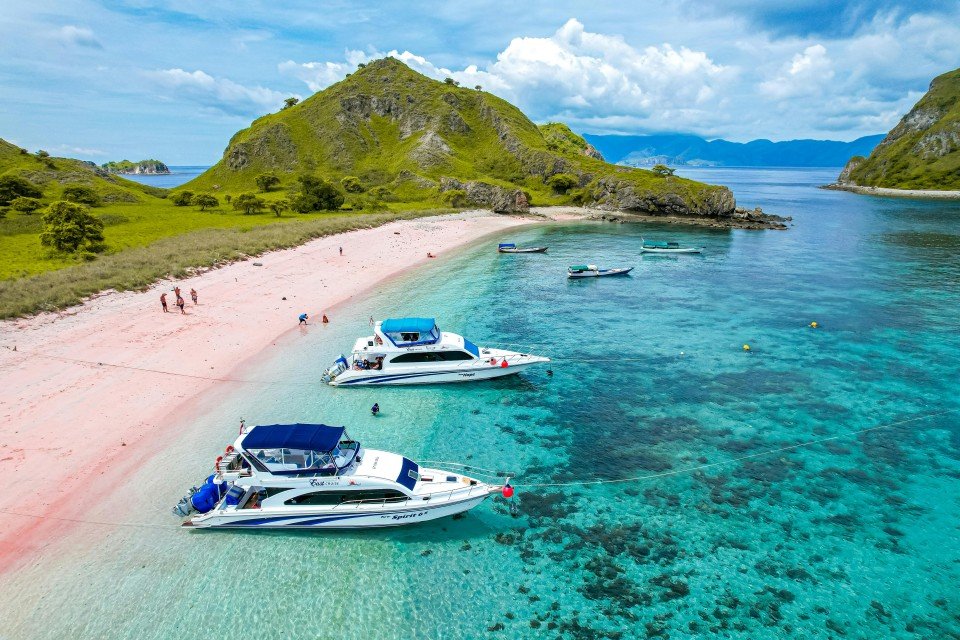
Pink Beach earned its name for the way the beach can appear to have a rosy hue in certain lights. The color comes from small flecks of red coral mixed in with the fine white reef sand. With a few trees along the beach for shade, this stretch of coast makes a fine place to relax or enjoy a... Pink Beach earned its name for the way the beach can appear to have a rosy hue in certain lights. The color comes from small flecks of red coral mixed in with the fine white reef sand. With a few trees along the beach for shade, this stretch of coast makes a fine place to relax or enjoy a snorkel or dive in the crystal clear waters. It is possible to spot a striped clown fish nestled among the protective tentacles of its sea anemone host, or to see a grouper lazily swimming by a flamboyant soft coral. The reef here is now protected by law and the maturing corals are a joy to behold. Read More
Moyo Island
Moyo Island is a tranquil and picturesque destination located in West Nusa Tenggara, Indonesia, renowned for its stunning natural beauty and pristine landscapes. Known for its lush rainforests, crystal-clear waters, and vibrant marine life, the island offers a perfect retreat for nature lo... Moyo Island is a tranquil and picturesque destination located in West Nusa Tenggara, Indonesia, renowned for its stunning natural beauty and pristine landscapes. Known for its lush rainforests, crystal-clear waters, and vibrant marine life, the island offers a perfect retreat for nature lovers and adventure seekers. Visitors can explore beautiful beaches like Liar Beach, dive or snorkel in vibrant coral reefs, and hike through lush jungles to discover stunning waterfalls, such as the famous Mata Jitu Waterfall. Moyo Island is also home to diverse wildlife, making it a great spot for birdwatching. With its serene atmosphere and unspoiled beauty, Moyo Island provides an idyllic escape from the hustle and bustle of everyday life, making it a hidden gem for those seeking relaxation and adventure in Indonesia. Read More
Lembar, Lombok
Benoa, Bali
Bali really is as alluring as everyone says. This island, slightly bigger than Delaware, has it all: beaches, volcanoes, terraced rice fields, forests, renowned resorts, surfing, golf, and world-class dive sites. But what sets Bali apart from other nearby tropical destinations is Balinese... Bali really is as alluring as everyone says. This island, slightly bigger than Delaware, has it all: beaches, volcanoes, terraced rice fields, forests, renowned resorts, surfing, golf, and world-class dive sites. But what sets Bali apart from other nearby tropical destinations is Balinese tradition, and villagers dedicated to celebrating it. The hundreds of temples, dances, rituals, and crafts linked to their ancient Hindu faith aren't a show for tourists, but a living, breathing culture in which visitors are warmly received by the Balinese, who cherish their own identities. Read More
Benoa, Bali
Bali really is as alluring as everyone says. This island, slightly bigger than Delaware, has it all: beaches, volcanoes, terraced rice fields, forests, renowned resorts, surfing, golf, and world-class dive sites. But what sets Bali apart from other nearby tropical destinations is Balinese... Bali really is as alluring as everyone says. This island, slightly bigger than Delaware, has it all: beaches, volcanoes, terraced rice fields, forests, renowned resorts, surfing, golf, and world-class dive sites. But what sets Bali apart from other nearby tropical destinations is Balinese tradition, and villagers dedicated to celebrating it. The hundreds of temples, dances, rituals, and crafts linked to their ancient Hindu faith aren't a show for tourists, but a living, breathing culture in which visitors are warmly received by the Balinese, who cherish their own identities. Read More
Probolinggo
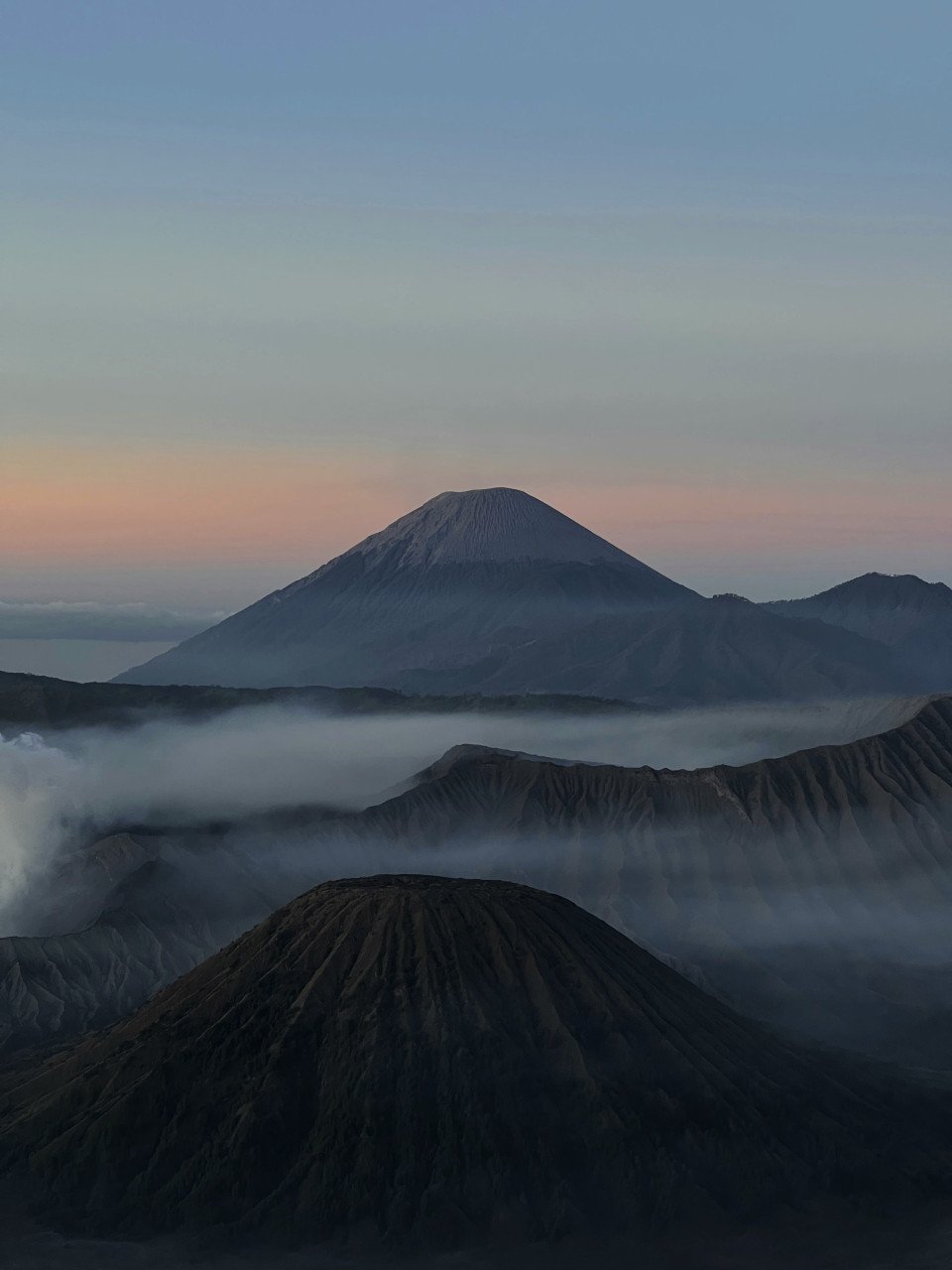
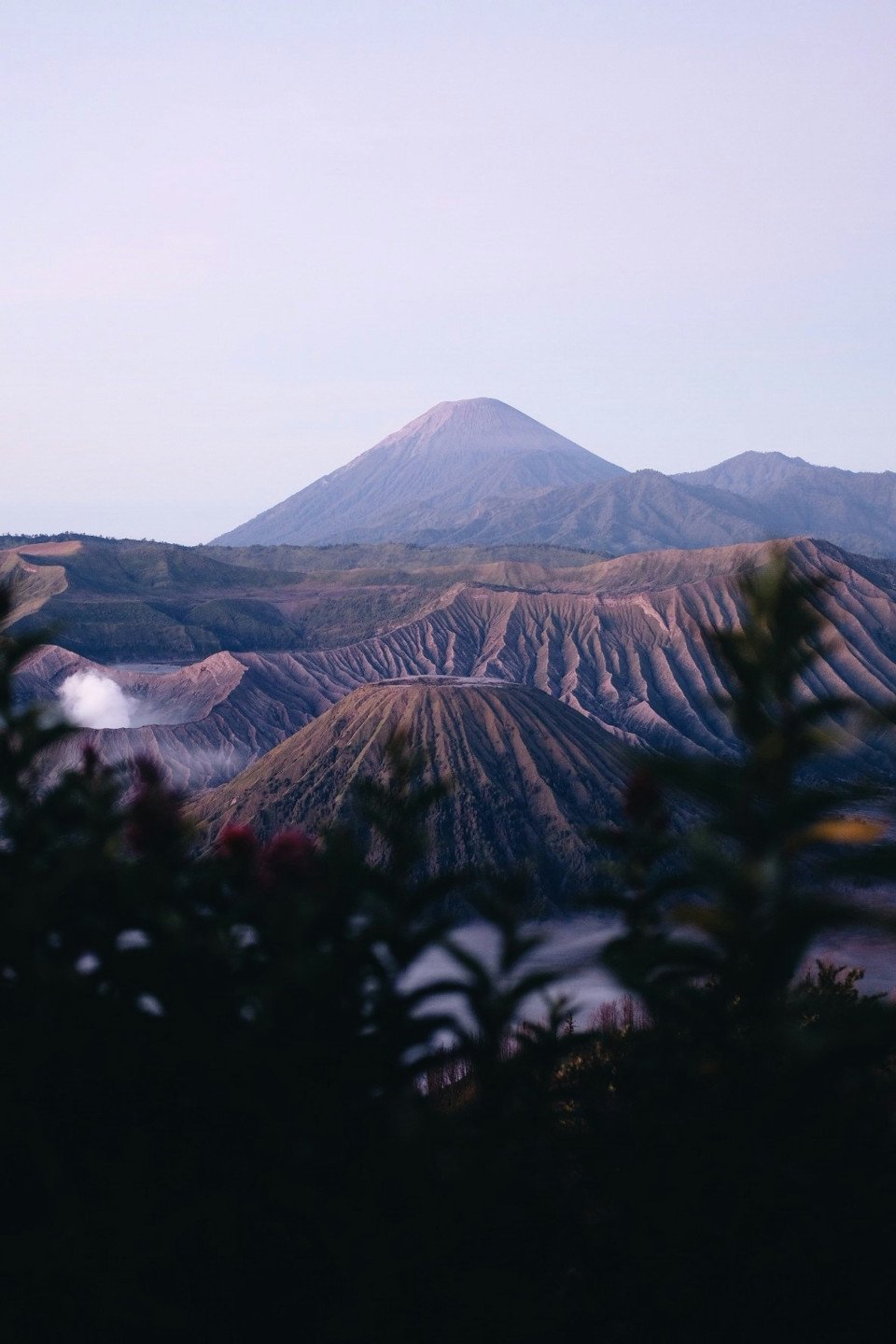
Probolinggo is a beautiful and enchanting city on the north coast of East Java, Indonesia. It is located on one of the major highways across Java, has a harbour filled with fishing vessels and is surrounded on the landward side by the Probolinggo Regency, but is not part of the regency. Pr... Probolinggo is a beautiful and enchanting city on the north coast of East Java, Indonesia. It is located on one of the major highways across Java, has a harbour filled with fishing vessels and is surrounded on the landward side by the Probolinggo Regency, but is not part of the regency. Probolinggo is home to the Javanese, Maduranese, Pendalungan (descents of Java and Maduranese) and Tenggerese, who still practice their centuries-old customs and traditions. Probolinggo is bordered by the imposing Mount Semeru, Bromo and Argopuro mountain group, and lined with lovely beaches to the north. Probolinggo's volcanic, mineral-rich soil is highly fertile. The mountains surrounding Probolinggo City abound with lush, tropical foliage, spectacular panoramic vistas, and points of natural interests, history and culture. The motto of the city is 'Bestari', which is an acronym of bersih (cleanliness), sehat (healthy), tertib (orderly), aman (safe), rapi (neat), and indah (beautiful). Read More
Karimunjava
Belitung Island
The island of Belitung is large, measuring roughly 4,800 square kilometer (1850 square miles). Along with neighbouring Bangka and the many other surrounding small islands this is not just an archipelago, but a substantial province of Indonesia. Belitung used to have many tin mines, but tod... The island of Belitung is large, measuring roughly 4,800 square kilometer (1850 square miles). Along with neighbouring Bangka and the many other surrounding small islands this is not just an archipelago, but a substantial province of Indonesia. Belitung used to have many tin mines, but today the island is better known for its nature. The most distinct features of Belitung’s many beaches are the fascinating granite rock formations along the shallow shores. These rocks can reach the size of houses and lie in bold contrast to the white sand. Swimming and snorkeling in the crystal clear waters reveals healthy corals and hundreds of fish. Read More
Malacca
Malacca
Singapore
The main island of Singapore is shaped like a flattened diamond, 42 km (26 miles) east to west and 23 km (14 miles) north to south. Near the northern peak is the causeway leading to West Malaysia—Kuala Lumpur is less than four hours away by car. It is at the southern foot where you will fi... The main island of Singapore is shaped like a flattened diamond, 42 km (26 miles) east to west and 23 km (14 miles) north to south. Near the northern peak is the causeway leading to West Malaysia—Kuala Lumpur is less than four hours away by car. It is at the southern foot where you will find most of the city-state’s action, with its gleaming office towers, working docks, and futuristic "supertrees," which are solar-powered and serve as vertical gardens. Offshore are Sentosa and over 60 smaller islands, most uninhabited, that serve as bases for oil refining or as playgrounds and beach escapes from the city. To the east is Changi International Airport, connected to the city by metro, bus, and a tree-lined parkway. Of the island's total land area, more than half is built up, with the balance made up of parkland, farmland, plantations, swamp areas, and rain forest. Well-paved roads connect all parts of the island, and Singapore city has an excellent, and constantly expanding, public transportation system. The heart of Singapore's history and its modern wealth are in and around the Central Business District. The area includes the skyscrapers in the Central Business District, the 19th-century Raffles Hotel, the convention centers of Marina Square, on up to the top of Ft. Canning. Although most of old Singapore has been knocked down to make way for the modern city, most colonial landmarks have been preserved in the CBD, including early-19th-century buildings designed by the Irish architect George Coleman. Read More
Singapore
The main island of Singapore is shaped like a flattened diamond, 42 km (26 miles) east to west and 23 km (14 miles) north to south. Near the northern peak is the causeway leading to West Malaysia—Kuala Lumpur is less than four hours away by car. It is at the southern foot where you will fi... The main island of Singapore is shaped like a flattened diamond, 42 km (26 miles) east to west and 23 km (14 miles) north to south. Near the northern peak is the causeway leading to West Malaysia—Kuala Lumpur is less than four hours away by car. It is at the southern foot where you will find most of the city-state’s action, with its gleaming office towers, working docks, and futuristic "supertrees," which are solar-powered and serve as vertical gardens. Offshore are Sentosa and over 60 smaller islands, most uninhabited, that serve as bases for oil refining or as playgrounds and beach escapes from the city. To the east is Changi International Airport, connected to the city by metro, bus, and a tree-lined parkway. Of the island's total land area, more than half is built up, with the balance made up of parkland, farmland, plantations, swamp areas, and rain forest. Well-paved roads connect all parts of the island, and Singapore city has an excellent, and constantly expanding, public transportation system. The heart of Singapore's history and its modern wealth are in and around the Central Business District. The area includes the skyscrapers in the Central Business District, the 19th-century Raffles Hotel, the convention centers of Marina Square, on up to the top of Ft. Canning. Although most of old Singapore has been knocked down to make way for the modern city, most colonial landmarks have been preserved in the CBD, including early-19th-century buildings designed by the Irish architect George Coleman. Read More
Port Klang
Kuala Lumpur, or KL as locals refer to it, intrigues visitors with its diversity and multicultural character. The city's old quarter features stretches of shop houses that hint at its colonial past, while modern buildings—including the iconic Petronas Towers—give a glimpse of its modern fi... Kuala Lumpur, or KL as locals refer to it, intrigues visitors with its diversity and multicultural character. The city's old quarter features stretches of shop houses that hint at its colonial past, while modern buildings—including the iconic Petronas Towers—give a glimpse of its modern financial ambitions. The city is filled with culturally colorful quarters dedicated to Chinese, Malay, and Indian communities. New shopping malls with designer labels, five-star hotels, and top-notch restaurants also proliferate in this bustling city of 1.6 million. Read More
Pangkor
George Town, Tasmania
George Town, Tasmania
Langkawi Island
On Malaysia's west coast, Langkawi is an archipelago made up of 99 islands. The only real settlement is on the main island, Pulau Langkawi. This popular beach destination attracts divers from around the world to explore the sea life, and after being declared a duty-free zone back in the '8... On Malaysia's west coast, Langkawi is an archipelago made up of 99 islands. The only real settlement is on the main island, Pulau Langkawi. This popular beach destination attracts divers from around the world to explore the sea life, and after being declared a duty-free zone back in the '80s, it has become a favorite shopping spot for visitors seeking cheap booze. You'll find sightseeing attractions—such as national parks, a cable car ride, and a large aquarium—throughout this island of lush rainforests. However, it's the long stretches of sandy beach that attract most visitors to this tropical paradise. Read More
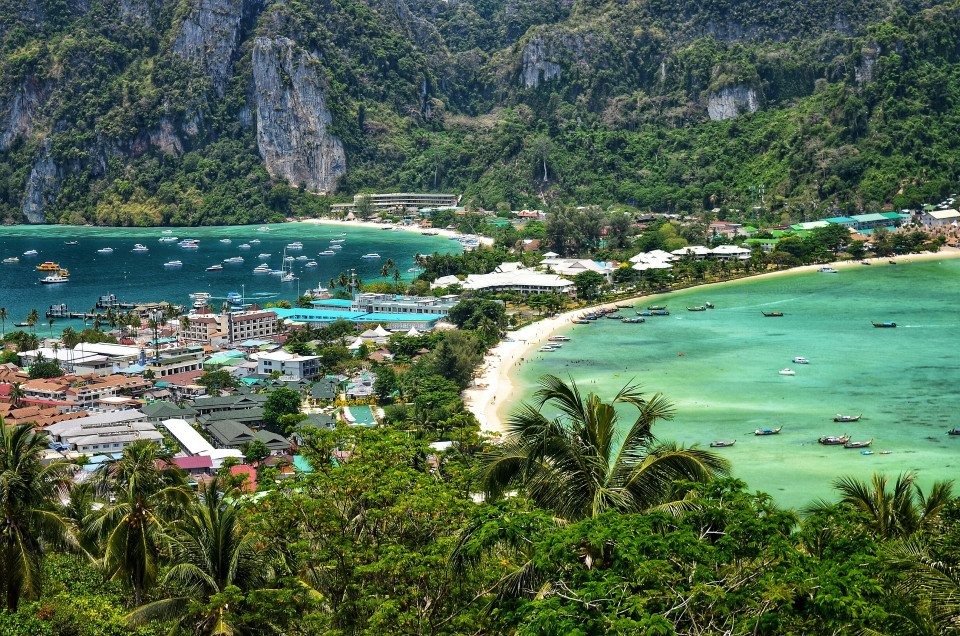
Krabi
Phuket
Though few tourists linger here, Phuket Town, the provincial capital, is one of the more culturally interesting places on the island to spend half a day. About one-third of the island's population lives here, and the town is an intriguing mix of old Sino-Portuguese architecture and the inf... Though few tourists linger here, Phuket Town, the provincial capital, is one of the more culturally interesting places on the island to spend half a day. About one-third of the island's population lives here, and the town is an intriguing mix of old Sino-Portuguese architecture and the influences of the Chinese, Muslims, and Thais that inhabit it. The old Chinese quarter along Talang Street is especially good for a stroll, as its history has not yet been replaced by modern concrete and tile. And this same area has a variety of antiques shops, art studios, and trendy cafés. Besides Talang, the major thoroughfares are Ratsada, Phuket, and Ranong roads. Ratsada connects Phuket Road (where you'll find the Tourism Authority of Thailand office) to Ranong Road, where there's an aromatic local market filled with fruits, vegetables, spices, and meats. Read More
Phuket
Though few tourists linger here, Phuket Town, the provincial capital, is one of the more culturally interesting places on the island to spend half a day. About one-third of the island's population lives here, and the town is an intriguing mix of old Sino-Portuguese architecture and the inf... Though few tourists linger here, Phuket Town, the provincial capital, is one of the more culturally interesting places on the island to spend half a day. About one-third of the island's population lives here, and the town is an intriguing mix of old Sino-Portuguese architecture and the influences of the Chinese, Muslims, and Thais that inhabit it. The old Chinese quarter along Talang Street is especially good for a stroll, as its history has not yet been replaced by modern concrete and tile. And this same area has a variety of antiques shops, art studios, and trendy cafés. Besides Talang, the major thoroughfares are Ratsada, Phuket, and Ranong roads. Ratsada connects Phuket Road (where you'll find the Tourism Authority of Thailand office) to Ranong Road, where there's an aromatic local market filled with fruits, vegetables, spices, and meats. Read More
Sabang
Sabang, a picturesque coastal village in the Philippines, is best known as the gateway to the renowned Puerto Princesa Subterranean River National Park, a UNESCO World Heritage site. This stunning natural wonder features an impressive underground river that winds through a breathtaking lim... Sabang, a picturesque coastal village in the Philippines, is best known as the gateway to the renowned Puerto Princesa Subterranean River National Park, a UNESCO World Heritage site. This stunning natural wonder features an impressive underground river that winds through a breathtaking limestone cave system. Visitors to Sabang can take guided boat tours to explore the river’s awe-inspiring rock formations and unique ecosystems. The village itself boasts beautiful beaches, crystal-clear waters, and a laid-back atmosphere, perfect for relaxation and water activities like snorkelling and swimming. With its rich biodiversity and stunning landscapes, Sabang offers a unique blend of adventure and natural beauty, making it a must-visit destination for nature lovers. Read More
Hambantota
Hambantota, located on the southern coast of Sri Lanka, is an emerging city known for its picturesque beaches and strategic port. Once primarily a fishing village, it has transformed into a hub of development, featuring the Hambantota Port, which serves as a key point for shipping and trad... Hambantota, located on the southern coast of Sri Lanka, is an emerging city known for its picturesque beaches and strategic port. Once primarily a fishing village, it has transformed into a hub of development, featuring the Hambantota Port, which serves as a key point for shipping and trade in the region. The surrounding area boasts stunning landscapes, including the Yala National Park, famous for its diverse wildlife, including leopards and elephants. Visitors can explore the nearby beaches, such as the tranquil Dickwella and Unawatuna, and enjoy water activities like snorkelling and surfing. With its blend of natural beauty, cultural heritage, and growing infrastructure, Hambantota offers a unique glimpse into the evolving landscape of Sri Lanka's southern coast. Read More
Colombo
Sri Lanka's capital and largest city, Colombo offers fine restaurants, a buzzing nightlife scene, and good museums, parks, and beautiful Buddhist temples that are all worth visiting. The beach resort of Mt. Lavinia is only a short taxi ride from the downtown area and offers a golden, sandy... Sri Lanka's capital and largest city, Colombo offers fine restaurants, a buzzing nightlife scene, and good museums, parks, and beautiful Buddhist temples that are all worth visiting. The beach resort of Mt. Lavinia is only a short taxi ride from the downtown area and offers a golden, sandy beach and sunset views to die for. As an exciting blur of colors and cultures, Colombo presents a neatly packaged microcosm of this island nation. Read More
Kochi
Kochi, Japan, is a charming coastal city located on Shikoku Island, renowned for its rich history, stunning landscapes, and vibrant culture. Visitors can explore the picturesque Kochi Castle, one of Japan's few remaining original castles, and wander through the bustling Hirome Market, wher... Kochi, Japan, is a charming coastal city located on Shikoku Island, renowned for its rich history, stunning landscapes, and vibrant culture. Visitors can explore the picturesque Kochi Castle, one of Japan's few remaining original castles, and wander through the bustling Hirome Market, where local delicacies and crafts abound. The city's proximity to beautiful beaches and the serene Katsurahama offers opportunities for outdoor activities and relaxation. Known for its warm hospitality and the famous Yosakoi dance festival, Kochi provides a unique glimpse into Japan’s traditions while embracing the beauty of nature. Read More
Kochi
Kochi, Japan, is a charming coastal city located on Shikoku Island, renowned for its rich history, stunning landscapes, and vibrant culture. Visitors can explore the picturesque Kochi Castle, one of Japan's few remaining original castles, and wander through the bustling Hirome Market, wher... Kochi, Japan, is a charming coastal city located on Shikoku Island, renowned for its rich history, stunning landscapes, and vibrant culture. Visitors can explore the picturesque Kochi Castle, one of Japan's few remaining original castles, and wander through the bustling Hirome Market, where local delicacies and crafts abound. The city's proximity to beautiful beaches and the serene Katsurahama offers opportunities for outdoor activities and relaxation. Known for its warm hospitality and the famous Yosakoi dance festival, Kochi provides a unique glimpse into Japan’s traditions while embracing the beauty of nature. Read More
Male
There are many nations around the world with bragging rights to miles of pristine white coral sand and balmy turquoise seas but few can take it to the same level as the Maldives. Its 1,200 islands are spread out over 26 coral atolls; the combined land of all the islands is little more than... There are many nations around the world with bragging rights to miles of pristine white coral sand and balmy turquoise seas but few can take it to the same level as the Maldives. Its 1,200 islands are spread out over 26 coral atolls; the combined land of all the islands is little more than 100 square miles. That means you are rarely more than a few steps from the beach. Many of the villas are actually built on stilts out over the water, so you may actually have to walk onshore in order to get to the beach. Besides curling your toes in the sand, many people come here to sample the Maldives enviable world-class dive spots. Others simply snorkel among the endless coral reefs. There are so many coral atolls here that our English word derives from the Maldivian name atholhu. Read More
Male
There are many nations around the world with bragging rights to miles of pristine white coral sand and balmy turquoise seas but few can take it to the same level as the Maldives. Its 1,200 islands are spread out over 26 coral atolls; the combined land of all the islands is little more than... There are many nations around the world with bragging rights to miles of pristine white coral sand and balmy turquoise seas but few can take it to the same level as the Maldives. Its 1,200 islands are spread out over 26 coral atolls; the combined land of all the islands is little more than 100 square miles. That means you are rarely more than a few steps from the beach. Many of the villas are actually built on stilts out over the water, so you may actually have to walk onshore in order to get to the beach. Besides curling your toes in the sand, many people come here to sample the Maldives enviable world-class dive spots. Others simply snorkel among the endless coral reefs. There are so many coral atolls here that our English word derives from the Maldivian name atholhu. Read More
Praslin Island
Forty kilometers (25 miles) northeast of Mahé, Praslin is just a 15-minute flight or 45-minute ferry ride away. Praslin, at 11 km (7 miles) long and 4 km (2.5 miles) wide, is the second-largest island in the Seychelles. First settled as a hideaway by pirates and Arab merchants, the island'... Forty kilometers (25 miles) northeast of Mahé, Praslin is just a 15-minute flight or 45-minute ferry ride away. Praslin, at 11 km (7 miles) long and 4 km (2.5 miles) wide, is the second-largest island in the Seychelles. First settled as a hideaway by pirates and Arab merchants, the island's original name, Isle de Palmes, bears testament to its reputation as home of the Vallée de Mai UNESCO World Heritage Site: the only place in the world where the famous Coco de Mer, the world's heaviest nut, grows abundantly in the wild. Praslin's endemic palm forests shelter many rare species, and the island is a major bird-watching destination. Surrounded by a coral reef, majestic bays, and gorgeous beaches, Praslin is much quieter and less developed than Mahé. With few real "sights," the pleasures of Praslin largely involve relaxing in or exploring its stunning beaches and fantastical forests. Read More
La Digue
La Digue Island is an island like no other. It is the smallest of the three populated islands in the Seychelles, but the tranquillity will make it feel like you’re the only one there. The stunning surroundings should be soaked up from cycling through the vanilla plantations to lying on the... La Digue Island is an island like no other. It is the smallest of the three populated islands in the Seychelles, but the tranquillity will make it feel like you’re the only one there. The stunning surroundings should be soaked up from cycling through the vanilla plantations to lying on the white-sandy beaches, your time on La Digue should be cherished. There is a little more to do on La Digue compared to the smaller, uninhabited islands where you can enjoy full moon tours, surfing and snorkelling with a local. Read More
Victoria, Mahé
Victoria, the capital city of the Seychelles, is located on the island of Mahé and is one of the smallest capitals in the world. Known for its vibrant culture and stunning natural surroundings, Victoria is a charming blend of colonial architecture and modern life. The city features... Victoria, the capital city of the Seychelles, is located on the island of Mahé and is one of the smallest capitals in the world. Known for its vibrant culture and stunning natural surroundings, Victoria is a charming blend of colonial architecture and modern life. The city features notable attractions such as the iconic Clock Tower, the bustling Sir Selwyn Selwyn-Clarke Market, and the beautiful botanical gardens, which showcase a variety of endemic plants. Visitors can explore the lively streets filled with shops, restaurants, and art galleries, offering a taste of local life and cuisine. Victoria serves as a gateway to the stunning beaches and natural wonders of Mahé, making it an ideal starting point for exploring the island's breathtaking landscapes. With its rich history and welcoming atmosphere, Victoria is a delightful destination for travellers seeking to immerse themselves in the beauty and culture of the Seychelles. Read More
Victoria, Mahé
Victoria, the capital city of the Seychelles, is located on the island of Mahé and is one of the smallest capitals in the world. Known for its vibrant culture and stunning natural surroundings, Victoria is a charming blend of colonial architecture and modern life. The city features... Victoria, the capital city of the Seychelles, is located on the island of Mahé and is one of the smallest capitals in the world. Known for its vibrant culture and stunning natural surroundings, Victoria is a charming blend of colonial architecture and modern life. The city features notable attractions such as the iconic Clock Tower, the bustling Sir Selwyn Selwyn-Clarke Market, and the beautiful botanical gardens, which showcase a variety of endemic plants. Visitors can explore the lively streets filled with shops, restaurants, and art galleries, offering a taste of local life and cuisine. Victoria serves as a gateway to the stunning beaches and natural wonders of Mahé, making it an ideal starting point for exploring the island's breathtaking landscapes. With its rich history and welcoming atmosphere, Victoria is a delightful destination for travellers seeking to immerse themselves in the beauty and culture of the Seychelles. Read More
Praslin Island
Forty kilometers (25 miles) northeast of Mahé, Praslin is just a 15-minute flight or 45-minute ferry ride away. Praslin, at 11 km (7 miles) long and 4 km (2.5 miles) wide, is the second-largest island in the Seychelles. First settled as a hideaway by pirates and Arab merchants, the island'... Forty kilometers (25 miles) northeast of Mahé, Praslin is just a 15-minute flight or 45-minute ferry ride away. Praslin, at 11 km (7 miles) long and 4 km (2.5 miles) wide, is the second-largest island in the Seychelles. First settled as a hideaway by pirates and Arab merchants, the island's original name, Isle de Palmes, bears testament to its reputation as home of the Vallée de Mai UNESCO World Heritage Site: the only place in the world where the famous Coco de Mer, the world's heaviest nut, grows abundantly in the wild. Praslin's endemic palm forests shelter many rare species, and the island is a major bird-watching destination. Surrounded by a coral reef, majestic bays, and gorgeous beaches, Praslin is much quieter and less developed than Mahé. With few real "sights," the pleasures of Praslin largely involve relaxing in or exploring its stunning beaches and fantastical forests. Read More
Diego Ramírez Islands
Hell-Ville
Hell-Ville, the capital of Nosy Be island, is a vibrant town known for its lively atmosphere and rich cultural heritage. Named after a French governor, the town features charming colonial architecture and bustling markets, where visitors can experience local life and savour traditional Mal... Hell-Ville, the capital of Nosy Be island, is a vibrant town known for its lively atmosphere and rich cultural heritage. Named after a French governor, the town features charming colonial architecture and bustling markets, where visitors can experience local life and savour traditional Malagasy cuisine. Hell-Ville serves as a gateway to the island’s stunning beaches, lush forests, and vibrant marine life, making it an ideal base for exploring Nosy Be’s natural attractions. The nearby Lokobe National Park offers opportunities for hiking and encountering endemic wildlife, including the famous black lemurs. With its combination of cultural charm and natural beauty, Hell-Ville is a captivating destination for travellers seeking to immerse themselves in the unique essence of Madagascar. Read More
Mamoudzou
Sitting adrift between Mozambique and exotic Madagascar is a tiny slice of France, in the form of stunning Mayotte island. This French overseas territory bathes in glorious sunshine for much of the year, and boasts pretty white coves and quiet, isolated beaches. Even the island capital, Ma... Sitting adrift between Mozambique and exotic Madagascar is a tiny slice of France, in the form of stunning Mayotte island. This French overseas territory bathes in glorious sunshine for much of the year, and boasts pretty white coves and quiet, isolated beaches. Even the island capital, Mamoudzou, leads an uncomplicated, un-hassled existence. Visit to enjoy evocative tastes of the ocean, in the form of seared scallops and filleted fish, plucked fresh from the waves just hours earlier. Read More
Kilwa Kisiwani
Kilwa Kisiwani is a historic island located off the southern coast of Tanzania, renowned for its rich archaeological and cultural heritage. Once a thriving port city and a significant trading hub during the 9th to 16th centuries, Kilwa Kisiwani is home to impressive ruins that reflect its... Kilwa Kisiwani is a historic island located off the southern coast of Tanzania, renowned for its rich archaeological and cultural heritage. Once a thriving port city and a significant trading hub during the 9th to 16th centuries, Kilwa Kisiwani is home to impressive ruins that reflect its importance in the Indian Ocean trade network. Visitors can explore the remnants of ancient mosques, fortresses, and palaces, including the impressive Kilwa Ruins, which are a UNESCO World Heritage site. The island’s beautiful beaches and clear waters offer opportunities for swimming, snorkelling, and diving, showcasing vibrant marine life. Kilwa Kisiwani is also a peaceful retreat, providing a glimpse into the island’s historical significance while allowing visitors to enjoy its serene surroundings. With its blend of history, culture, and natural beauty, Kilwa Kisiwani is a captivating destination for those looking to explore Tanzania's rich heritage. Read More
Dar es Salaam
Dar es Salaam, the largest city and former capital of Tanzania, is a vibrant coastal metropolis known for its rich cultural heritage and bustling atmosphere. Located along the Indian Ocean, the city boasts beautiful beaches and a picturesque waterfront, making it a popular destination for... Dar es Salaam, the largest city and former capital of Tanzania, is a vibrant coastal metropolis known for its rich cultural heritage and bustling atmosphere. Located along the Indian Ocean, the city boasts beautiful beaches and a picturesque waterfront, making it a popular destination for both locals and tourists. Dar es Salaam is a melting pot of cultures, reflected in its diverse cuisine, markets, and lively street life. Key attractions include the National Museum, which showcases Tanzania's history and heritage, and the bustling Kariakoo Market, where visitors can experience the local trade and flavours. The city also serves as a gateway to the beautiful islands of Zanzibar and Mafia, offering opportunities for further exploration. With its dynamic energy and welcoming spirit, Dar es Salaam provides a unique insight into Tanzanian life and culture. Read More
Zanzibar
This ancient isle once ruled by sultans and slave traders served as the stepping stone into the African continent for missionaries and explorers. Today it attracts visitors intent on discovering sandy beaches, pristine rain forests, or colorful coral reefs. Once known as the Spice Island f... This ancient isle once ruled by sultans and slave traders served as the stepping stone into the African continent for missionaries and explorers. Today it attracts visitors intent on discovering sandy beaches, pristine rain forests, or colorful coral reefs. Once known as the Spice Island for its export of cloves, Zanzibar has become one of the most exotic flavors in travel, better than Bali or Mali when it comes to beauty that’ll make your jaw drop.Separated from the mainland by a channel only 35 km (22 miles) wide, and only 6 degrees south of the equator, this tiny archipelago—the name Zanzibar also includes the islands of Unguja (the main island) and Pemba—in the Indian Ocean was the launching base for a romantic era of expeditions into Africa. Sir Richard Burton and John Hanning Speke used it as their base when searching for the source of the Nile. It was in Zanzibar where journalist Henry Morton Stanley, perched in an upstairs room overlooking the Stone Town harbor, began his search for David Livingstone.The first ships to enter the archipelago's harbors are believed to have sailed in around 600 BC. Since then, every great navy in the Eastern Hemisphere has dropped anchor here at one time or another. But it was Arab traders who left an indelible mark. Minarets punctuate the skyline of Stone Town, where more than 90% of the residents are Muslim. In the harbor you'll see dhows, the Arabian boats with triangular sails. Islamic women covered by black boubou veils scurry down alleyways so narrow their outstretched arms could touch buildings on both sides. Stone Town received its odd name because most of its buildings were made of limestone and coral, which means exposure to salty air has eroded many foundations.The first Europeans who arrived here were the Portuguese in the 15th century, and thus began a reign of exploitation. As far inland as Lake Tanganyika, slave traders captured the residents or bartered for them from their own chiefs, then forced the newly enslaved to march toward the Indian Ocean carrying loads of ivory tusks. Once at the shore they were shackled together while waiting for dhows to collect them at Bagamoyo, a place whose name means, "here I leave my heart." Although it's estimated that 50,000 slaves passed through the Zanzibar slave market each year during the 19th century, many more died en route.Tanganyika and Zanzibar merged in 1964 to create Tanzania, but the honeymoon was brief. Zanzibar's relationship with the mainland remains uncertain as calls for independence continue. "Bismillah, will you let him go," a lyric from Queen's "Bohemian Rhapsody," has become a rebel chant for Zanzibar to break from Tanzania.Zanzibar Island, locally known as Unguja, has amazing beaches and resorts, decent dive spots, acres of spice plantations, the Jozani Forest Reserve, and Stone Town. Plus, it takes little more than an hour to fly there. It's a popular spot to head post-safari.Stone Town, the archipelago's major metropolis, is a maze of narrow streets lined with houses featuring magnificently carved doors studded with brass. There are 51 mosques, 6 Hindu temples, and 2 Christian churches. And though it can rightly be called a city, much of the western part of the larger island is a slumbering paradise where cloves, as well as rice and coconuts, still grow.Although the main island of Unguja feels untouched by the rest of the world, the nearby islands of Pemba and Mnemba offer retreats that are even more remote. For many years Arabs referred to Pemba as Al Khudra, or the Green Island, and indeed it still is, with forests of king palms, mangos, and banana trees. The 65-km-long (40-mile-long) island is less famous than Unguja except among scuba divers, who enjoy the coral gardens with colorful sponges and huge fans. Archaeology buffs are also discovering Pemba, where sites from the 9th to the 15th century have been unearthed. At Mtambwe Mkuu coins bearing the heads of sultans were discovered. Ruins along the coast include ancient mosques and tombs. In the 1930s Pemba was famous for its sorcerers, attracting disciples of the black arts from as far away as Haiti. Witchcraft is still practiced, and, oddly, so is bullfighting. Introduced by the Portuguese in the 17th century, the sport has been improved by locals, who rewrote the ending. After enduring the ritual teasing by the matador's cape, the bull is draped with flowers and paraded around the village.Beyond Pemba, smaller islands in the Zanzibar Archipelago range from mere sandbanks to Changu, once a prison island and now home to the giant Aldabra tortoise, Chumbe Island, and Mnemba, a private retreat for guests who pay hundreds of dollars per day to get away from it all. Read More
Mombasa
You may well find yourself in Mombasa for a few hours or an overnight stop. The city (which is actually an island linked to the mainland by a ferry) is the second oldest trade center with Arabia and the Far East. Today it still plays an important role as the main port for Kenya. Although i... You may well find yourself in Mombasa for a few hours or an overnight stop. The city (which is actually an island linked to the mainland by a ferry) is the second oldest trade center with Arabia and the Far East. Today it still plays an important role as the main port for Kenya. Although it lacks the beautiful beaches of the north and south, it has a rich, fascinating history. Visit the Old Town with its narrow streets lined with tiny shops and souks (markets). The Old Harbour, frequented by numerous dhows, is an ideal place to arrange a short cruise on one of these local boats that have plied the oceans for centuries. Fort Jesus, designed by an Italian and built by the Portuguese in the late 16th century, is a major visitor draw and well worth a visit. In summer there's an impressive sound-and-light show. Read More
Zanzibar
This ancient isle once ruled by sultans and slave traders served as the stepping stone into the African continent for missionaries and explorers. Today it attracts visitors intent on discovering sandy beaches, pristine rain forests, or colorful coral reefs. Once known as the Spice Island f... This ancient isle once ruled by sultans and slave traders served as the stepping stone into the African continent for missionaries and explorers. Today it attracts visitors intent on discovering sandy beaches, pristine rain forests, or colorful coral reefs. Once known as the Spice Island for its export of cloves, Zanzibar has become one of the most exotic flavors in travel, better than Bali or Mali when it comes to beauty that’ll make your jaw drop.Separated from the mainland by a channel only 35 km (22 miles) wide, and only 6 degrees south of the equator, this tiny archipelago—the name Zanzibar also includes the islands of Unguja (the main island) and Pemba—in the Indian Ocean was the launching base for a romantic era of expeditions into Africa. Sir Richard Burton and John Hanning Speke used it as their base when searching for the source of the Nile. It was in Zanzibar where journalist Henry Morton Stanley, perched in an upstairs room overlooking the Stone Town harbor, began his search for David Livingstone.The first ships to enter the archipelago's harbors are believed to have sailed in around 600 BC. Since then, every great navy in the Eastern Hemisphere has dropped anchor here at one time or another. But it was Arab traders who left an indelible mark. Minarets punctuate the skyline of Stone Town, where more than 90% of the residents are Muslim. In the harbor you'll see dhows, the Arabian boats with triangular sails. Islamic women covered by black boubou veils scurry down alleyways so narrow their outstretched arms could touch buildings on both sides. Stone Town received its odd name because most of its buildings were made of limestone and coral, which means exposure to salty air has eroded many foundations.The first Europeans who arrived here were the Portuguese in the 15th century, and thus began a reign of exploitation. As far inland as Lake Tanganyika, slave traders captured the residents or bartered for them from their own chiefs, then forced the newly enslaved to march toward the Indian Ocean carrying loads of ivory tusks. Once at the shore they were shackled together while waiting for dhows to collect them at Bagamoyo, a place whose name means, "here I leave my heart." Although it's estimated that 50,000 slaves passed through the Zanzibar slave market each year during the 19th century, many more died en route.Tanganyika and Zanzibar merged in 1964 to create Tanzania, but the honeymoon was brief. Zanzibar's relationship with the mainland remains uncertain as calls for independence continue. "Bismillah, will you let him go," a lyric from Queen's "Bohemian Rhapsody," has become a rebel chant for Zanzibar to break from Tanzania.Zanzibar Island, locally known as Unguja, has amazing beaches and resorts, decent dive spots, acres of spice plantations, the Jozani Forest Reserve, and Stone Town. Plus, it takes little more than an hour to fly there. It's a popular spot to head post-safari.Stone Town, the archipelago's major metropolis, is a maze of narrow streets lined with houses featuring magnificently carved doors studded with brass. There are 51 mosques, 6 Hindu temples, and 2 Christian churches. And though it can rightly be called a city, much of the western part of the larger island is a slumbering paradise where cloves, as well as rice and coconuts, still grow.Although the main island of Unguja feels untouched by the rest of the world, the nearby islands of Pemba and Mnemba offer retreats that are even more remote. For many years Arabs referred to Pemba as Al Khudra, or the Green Island, and indeed it still is, with forests of king palms, mangos, and banana trees. The 65-km-long (40-mile-long) island is less famous than Unguja except among scuba divers, who enjoy the coral gardens with colorful sponges and huge fans. Archaeology buffs are also discovering Pemba, where sites from the 9th to the 15th century have been unearthed. At Mtambwe Mkuu coins bearing the heads of sultans were discovered. Ruins along the coast include ancient mosques and tombs. In the 1930s Pemba was famous for its sorcerers, attracting disciples of the black arts from as far away as Haiti. Witchcraft is still practiced, and, oddly, so is bullfighting. Introduced by the Portuguese in the 17th century, the sport has been improved by locals, who rewrote the ending. After enduring the ritual teasing by the matador's cape, the bull is draped with flowers and paraded around the village.Beyond Pemba, smaller islands in the Zanzibar Archipelago range from mere sandbanks to Changu, once a prison island and now home to the giant Aldabra tortoise, Chumbe Island, and Mnemba, a private retreat for guests who pay hundreds of dollars per day to get away from it all. Read More
Mocambique Island
Mozambique Island, also known as Ilha de Moçambique, is a historic island located off the northern coast of Mozambique. Renowned for its rich cultural heritage and colonial architecture, the island was once the capital of Mozambique and a significant trading post in the Indian Ocean... Mozambique Island, also known as Ilha de Moçambique, is a historic island located off the northern coast of Mozambique. Renowned for its rich cultural heritage and colonial architecture, the island was once the capital of Mozambique and a significant trading post in the Indian Ocean. Visitors can explore its narrow streets, featuring a blend of Portuguese, Arab, and African influences, along with notable landmarks such as the Fort of São Sebastião and the Church of Nossa Senhora da Conceição. The island boasts beautiful beaches and vibrant coral reefs, making it an ideal spot for relaxation and water activities like snorkelling and diving. With its captivating history, cultural diversity, and stunning natural surroundings, Mozambique Island offers a unique and enriching experience for travellers seeking to discover the essence of Mozambique. Read More
Morondava
Morondava is a charming coastal town located on the west coast of Madagascar, renowned for its stunning sunsets and unique landscapes. It serves as the gateway to the iconic Avenue of the Baobabs, where visitors can marvel at the ancient and majestic baobab trees that line the dirt road. M... Morondava is a charming coastal town located on the west coast of Madagascar, renowned for its stunning sunsets and unique landscapes. It serves as the gateway to the iconic Avenue of the Baobabs, where visitors can marvel at the ancient and majestic baobab trees that line the dirt road. Morondava is also known for its beautiful beaches and vibrant local culture, with a lively fishing community and markets showcasing fresh seafood and traditional crafts. The nearby Kirindy Forest is home to a variety of wildlife, including the famous fossa and several species of lemurs. With its picturesque surroundings and rich cultural experiences, Morondava offers an unforgettable destination for those looking to explore the natural wonders of Madagascar. Read More
Maputo
The city of Maputo was founded towards the end of the 18th century, and is influenced by a variety of cultures including Bantu, Arabian and Portuguese. Surrounded by beautiful colonial architecture and stunning natural scenery, it is an ideal base from which to explore the region. The scar... The city of Maputo was founded towards the end of the 18th century, and is influenced by a variety of cultures including Bantu, Arabian and Portuguese. Surrounded by beautiful colonial architecture and stunning natural scenery, it is an ideal base from which to explore the region. The scars from past wars and conflict are still evident, but the city is clearly regenerating, and the original beauty and cultural attractions of the area can easily be appreciated by visitors. Read More
Richards Bay
South Africa’s largest harbour is located on a lagoon on the Mhlatuze River on the northern coast of KwaZulu-Natal and takes its name from Admiral Sir F W Richards who sailed into the bay to deliver supplies to the troops during the Anglo/Zulu War of 1879. The Richards Bay lagoon was decla... South Africa’s largest harbour is located on a lagoon on the Mhlatuze River on the northern coast of KwaZulu-Natal and takes its name from Admiral Sir F W Richards who sailed into the bay to deliver supplies to the troops during the Anglo/Zulu War of 1879. The Richards Bay lagoon was declared a game reserve in 1935, when conservationists objected to the growing industrialisation here. This however did nothing to halt development. Instead a compromise was agreed and a wall was built across the length of the bay to divide the lagoon. The north side became the seaport and the south remained a sanctuary for waterfowl and wildlife. The lagoon is famous for being the site where the longest crocodile ever recorded was shot by hunter John Dunn - it measured over 20 feet. The town was built on the shores of the lagoon in 1954 and although it was only a small fishing community in the 1960s, the development of the deep water harbour and railway in 1976 prompted the growth of the much larger township you see today. The bustling town is now a popular holiday destination with its unspoilt beaches at the edge of the Indian Ocean, year-round sunshine and excellent recreational facilities including surfing and fishing. It is also an excellent gateway to Zululand and the KwaZulu wildlife reserves. Richards Bay has recently undergone a major renovation that has given the town a Caribbean feel. Read More
Gqeberha (ex Port Elizabeth)
Originally the home of the San and Khoisan people and later the Xhosa tribe, the area now known as Gqeberha (previously Port Elizabeth) became a landing place for passing European ships after Portuguese navigator Bartolomew Diaz arrived in Algoa Bay in 1488. As part of the Cape Colony, the... Originally the home of the San and Khoisan people and later the Xhosa tribe, the area now known as Gqeberha (previously Port Elizabeth) became a landing place for passing European ships after Portuguese navigator Bartolomew Diaz arrived in Algoa Bay in 1488. As part of the Cape Colony, the British occupied the area during the Napoleonic Wars and it was they who built Fort Frederick here in 1799. Twenty-one years later 4,000 settlers arrived, becoming the first permanent British residents of South Africa and Gqeberha. Sir Rufane Donkin, Acting Governor of the Cape Colony, founded Port Elizabeth, naming the settlement after his late wife. The town underwent rapid growth after 1873 following the construction of the railway to Kimberley, and is now one of the country’s major seaports. Like most South African cities, miles of beautiful coastline surround Gqeberha. Algoa Bay combines warm water and fair breezes, making it a mecca for swimmers and water sports enthusiasts. Those interested in history can follow the Donkin Heritage Trail, past a succession of Victorian and Edwardian town houses, trim gardens and neo-Gothic churches. Just outside the town are a number of game reserves, including the famous Addo Elephant National Park. Read More
Mossel Bay
Mossel Bay is a picturesque coastal town located along the Garden Route in South Africa. Known for its stunning beaches, mild climate, and rich maritime history, it is a popular destination for both locals and tourists. The town features a variety of attractions, including the famous Cape... Mossel Bay is a picturesque coastal town located along the Garden Route in South Africa. Known for its stunning beaches, mild climate, and rich maritime history, it is a popular destination for both locals and tourists. The town features a variety of attractions, including the famous Cape St. Blaize Lighthouse, which offers breathtaking views of the ocean and surrounding coastline. Mossel Bay is also home to the Dias Museum Complex, where visitors can learn about the town’s history, including its significance as a stopping point for early explorers. Outdoor enthusiasts can enjoy a range of activities such as whale watching, hiking along scenic trails, and exploring nearby nature reserves. With its charming atmosphere, beautiful landscapes, and vibrant local culture, Mossel Bay is an ideal destination for those seeking relaxation and adventure along the southern coast of South Africa. Read More
Cape Town
Sometimes referred to as the Mother City, Cape Town is the most famous port in South Africa and is influenced by many different cultures, including Dutch, British and Malay. The port was founded in 1652 by Dutch explorer Jan Van Riebeeck, and evidence of Dutch colonial rule remains through... Sometimes referred to as the Mother City, Cape Town is the most famous port in South Africa and is influenced by many different cultures, including Dutch, British and Malay. The port was founded in 1652 by Dutch explorer Jan Van Riebeeck, and evidence of Dutch colonial rule remains throughout the region. The port is located on one of the world's most important trade routes, and is mainly a container port and handler of fresh fruit. Fishing is another vital industry, with large Asian fishing fleets using Cape Town as a logistical repair base for much of the year. The region is famous for its natural beauty, with the imposing Table Mountain and Lions Head, as well as the many nature reserves and botanical gardens such as Kirstenbosch which boasts an extensive range of indigenous plant life, including proteas and ferns. Cape Town's weather is mercurial, and can change from beautiful sunshine to dramatic thunderstorms within a short period. A local adage is that in Cape Town you can experience four seasons in one day. Read More
Cape Town
Sometimes referred to as the Mother City, Cape Town is the most famous port in South Africa and is influenced by many different cultures, including Dutch, British and Malay. The port was founded in 1652 by Dutch explorer Jan Van Riebeeck, and evidence of Dutch colonial rule remains through... Sometimes referred to as the Mother City, Cape Town is the most famous port in South Africa and is influenced by many different cultures, including Dutch, British and Malay. The port was founded in 1652 by Dutch explorer Jan Van Riebeeck, and evidence of Dutch colonial rule remains throughout the region. The port is located on one of the world's most important trade routes, and is mainly a container port and handler of fresh fruit. Fishing is another vital industry, with large Asian fishing fleets using Cape Town as a logistical repair base for much of the year. The region is famous for its natural beauty, with the imposing Table Mountain and Lions Head, as well as the many nature reserves and botanical gardens such as Kirstenbosch which boasts an extensive range of indigenous plant life, including proteas and ferns. Cape Town's weather is mercurial, and can change from beautiful sunshine to dramatic thunderstorms within a short period. A local adage is that in Cape Town you can experience four seasons in one day. Read More
Kobe
Uwajima
Miyanoura, Yakushima
Amami Ōshima
Motobu, Okinawa
Naha, Okinawa
Naha, Okinawa
Miyako Islands
Ishigaki
Keelung (Chilung)
At Sea
Hong Kong
Hong Kong
At Sea
Ha Long Bay
Ha Long Bay
Da Nang
At Sea
Ho Chi Minh City
Ho Chi Minh City
At Sea
Phú Quốc
Sihanoukville
Ko Kut
Laem Chabang
Ko Kut
Sihanoukville
Phú Quốc
At Sea
Ho Chi Minh City
Ho Chi Minh City
At Sea
Singapore
Singapore
At Sea
Semarang
Surabaya
Benoa, Bali
Benoa, Bali
Benoa, Bali
Moyo Island
Makassar
At Sea
Derawan Islands
Boheydulang Island
Sandakan, Sabah
Puerto Princesa, Palawan
Puerto Princesa, Palawan
El Nido/Puerto Princesa
Boracay Island
Corregidor Island
Manila
Manila
Romblon
Coron Island
El Nido/Puerto Princesa
Puerto Princesa, Palawan
Kota Kinabalu, Sabah
Kota Kinabalu, Sabah
At Sea
Nha Trang
Ho Chi Minh City
Ho Chi Minh City
Côn Đảo
At Sea
Singapore
At Sea
Jakarta
Semarang
Surabaya
At Sea
Komodo Island
Moyo Island
Lembar, Lombok
Benoa, Bali
Benoa, Bali
Probolinggo
At Sea
Karimunjava
Belitung Island
Malacca
Malacca
Singapore
Singapore
Port Klang
Pangkor
George Town, Tasmania
George Town, Tasmania
Langkawi Island
Krabi
Phuket
Phuket
Sabang
At Sea
At Sea
Hambantota
Colombo
Kochi
Kochi
At Sea
Male
Male
At Sea
At Sea
At Sea
Praslin Island
La Digue
Victoria, Mahé
Victoria, Mahé
Praslin Island
At Sea
Diego Ramírez Islands
Hell-Ville
Mamoudzou
At Sea
Kilwa Kisiwani
Dar es Salaam
Zanzibar
Mombasa
Zanzibar
At Sea
Mocambique Island
At Sea
Morondava
At Sea
At Sea
Maputo
Richards Bay
At Sea
Gqeberha (ex Port Elizabeth)
Mossel Bay
Cape Town
Cape Town
Kobe
Kobe
Located on the calm waters of the Inland Sea, Kobe has served as an important port town for hundreds of years. It was one of the first harbours to accept foreign traders in 1868 when Japan was just emerging from its centuries of isolation. What followed was a surge of Western trade and exp... Located on the calm waters of the Inland Sea, Kobe has served as an important port town for hundreds of years. It was one of the first harbours to accept foreign traders in 1868 when Japan was just emerging from its centuries of isolation. What followed was a surge of Western trade and exports. Today, Kobe is quite multicultural, with expatriates from 98 different nations in residence, providing a cultural diversity most easily visible in restaurants serving every kind of cuisine, including the now world famous Kobe beef. The Great Hanshin Earthquake of 1995 set back Kobe’s development, but not for long. Kobe emerged more vibrant than before - with additional attractions, hotels and urban redevelopment, and only a few remnants of the extensive damage. It is a cosmopolitan place with lively shopping arcades, interesting museums, great restaurants, and a port that is still at the heart of things. Kobe is well known for its nightlife, in an intimate quarter of neon lights, cosy bars and sophisticated nightclubs. It also serves as the gateway to the ancient Japanese capitals of Kyoto and Nara. Read More
Uwajima
Uwajima
Miyanoura, Yakushima
Miyanoura, Yakushima
Amami Ōshima
Amami Ōshima
Motobu, Okinawa
Motobu, Okinawa
Naha, Okinawa
Naha, Okinawa
Naha, Okinawa
Naha, Okinawa
Miyako Islands
Miyako Islands
Ishigaki
Ishigaki
Ishigaki, Japan, is a captivating island paradise known for its stunning beaches, crystal-clear waters, and vibrant coral reefs. As part of the Yaeyama Islands, it offers a unique blend of rich culture and natural beauty. Visitors can explore lush subtropical landscapes, enjoy traditional... Ishigaki, Japan, is a captivating island paradise known for its stunning beaches, crystal-clear waters, and vibrant coral reefs. As part of the Yaeyama Islands, it offers a unique blend of rich culture and natural beauty. Visitors can explore lush subtropical landscapes, enjoy traditional Ryukyu cuisine, and partake in various water sports, from snorkelling to diving. The island's laid-back atmosphere, coupled with its welcoming locals, makes Ishigaki an ideal destination for those seeking both adventure and relaxation in a picturesque setting. Read More
Keelung (Chilung)
Keelung (Chilung)
With the glittering lights of Taipei - a futuristic metropolis of culture and ideas - sparkling nearby, Keelung is the first calling point for many visitors arriving in Taiwan. While this port city essentially serves as Taipei's ocean gateway, you shouldn’t be too hasty in dashing off to T... With the glittering lights of Taipei - a futuristic metropolis of culture and ideas - sparkling nearby, Keelung is the first calling point for many visitors arriving in Taiwan. While this port city essentially serves as Taipei's ocean gateway, you shouldn’t be too hasty in dashing off to Taipei's neon-lit magic – first it’s well worth spending some time exploring the famous glowing night market, which hums with life each evening and is famous for its local seafood. Read More
At Sea
Hong Kong
Hong Kong
The Hong Kong Island skyline, with its ever-growing number of skyscrapers, speaks to ambition and money. Paris, London, even New York were centuries in the making, while Hong Kong's towers, bright lights, and glitzy shopping emporia weren't yet part of the urban scene when many of the youn... The Hong Kong Island skyline, with its ever-growing number of skyscrapers, speaks to ambition and money. Paris, London, even New York were centuries in the making, while Hong Kong's towers, bright lights, and glitzy shopping emporia weren't yet part of the urban scene when many of the young investment bankers who fuel one of the world's leading financial centers were born. Commerce is concentrated in the glittering high-rises of Central, tucked between Victoria Harbor and forested peaks on Hong Kong Island's north shore. While it's easy to think all the bright lights are the sum of today's Hong Kong, you need only walk or board a tram for the short jaunt west into Western to discover a side of Hong Kong that is more traditionally Chinese but no less high-energy. You'll discover the real Hong Kong to the east of Central, too, in Wan Chai, Causeway Bay, and beyond. Amid the residential towers are restaurants, shopping malls, bars, convention centers, a nice smattering of museums, and—depending on fate and the horse you wager on—one of Hong Kong's luckiest or unluckiest spots, the Happy Valley Racecourse. Kowloon sprawls across a generous swath of the Chinese mainland across Victoria Harbour from Central. Tsim Sha Tsui, at the tip of Kowloon peninsula, is packed with glitzy shops, first-rate museums, and eye-popping views of the skyline across the water. Just to the north are the teeming market streets of Mong Kok and in the dense residential neighborhoods beyond, two of Hong Kong's most enchanting spiritual sights, Wong Tai Sin Temple and Chi Lin Nunnery. As you navigate this huge metropolis (easy to do on the excellent transportation network), keep in mind that streets are usually numbered odd on one side, even on the other. There's no baseline for street numbers and no block-based numbering system, but street signs indicate building numbers for any given block. Read More
Hong Kong
Hong Kong
The Hong Kong Island skyline, with its ever-growing number of skyscrapers, speaks to ambition and money. Paris, London, even New York were centuries in the making, while Hong Kong's towers, bright lights, and glitzy shopping emporia weren't yet part of the urban scene when many of the youn... The Hong Kong Island skyline, with its ever-growing number of skyscrapers, speaks to ambition and money. Paris, London, even New York were centuries in the making, while Hong Kong's towers, bright lights, and glitzy shopping emporia weren't yet part of the urban scene when many of the young investment bankers who fuel one of the world's leading financial centers were born. Commerce is concentrated in the glittering high-rises of Central, tucked between Victoria Harbor and forested peaks on Hong Kong Island's north shore. While it's easy to think all the bright lights are the sum of today's Hong Kong, you need only walk or board a tram for the short jaunt west into Western to discover a side of Hong Kong that is more traditionally Chinese but no less high-energy. You'll discover the real Hong Kong to the east of Central, too, in Wan Chai, Causeway Bay, and beyond. Amid the residential towers are restaurants, shopping malls, bars, convention centers, a nice smattering of museums, and—depending on fate and the horse you wager on—one of Hong Kong's luckiest or unluckiest spots, the Happy Valley Racecourse. Kowloon sprawls across a generous swath of the Chinese mainland across Victoria Harbour from Central. Tsim Sha Tsui, at the tip of Kowloon peninsula, is packed with glitzy shops, first-rate museums, and eye-popping views of the skyline across the water. Just to the north are the teeming market streets of Mong Kok and in the dense residential neighborhoods beyond, two of Hong Kong's most enchanting spiritual sights, Wong Tai Sin Temple and Chi Lin Nunnery. As you navigate this huge metropolis (easy to do on the excellent transportation network), keep in mind that streets are usually numbered odd on one side, even on the other. There's no baseline for street numbers and no block-based numbering system, but street signs indicate building numbers for any given block. Read More
At Sea
Ha Long Bay
Ha Long Bay
A visit to the north is not complete without a trip to Halong Bay, where placid waters give way to more than 3,000 limestone karsts and wind-sculpted limestone formations that jut from foggy lagoons. Dotting the bay are tiny islands bordered by white sandy coves and hidden caves, adding to... A visit to the north is not complete without a trip to Halong Bay, where placid waters give way to more than 3,000 limestone karsts and wind-sculpted limestone formations that jut from foggy lagoons. Dotting the bay are tiny islands bordered by white sandy coves and hidden caves, adding to the majestic landscape of this UNESCO World Heritage Site. Adding to this naturalist’s dream is the biodiversity of islets, grottos, and Cat Ba Island National Park. The bay, however, shows tourism’s impact: the clearing of mangrove forests to make way for jetties and piers, marine life threatened by game fishing, and garbage from passenger boats and fishing villages washed up on the shores.Beyond its geological uniqueness are activities like hiking, kayaking, rock climbing, or exploring one of the many floating villages where fishermen bring in their daily catch. The downside to all this allure is the large number of unlicensed boats it draws to the bay each day.Boat trips out onto the bay are the main tourism stock in trade farther north, but a more multifaceted side of the area can be experienced at Cat Ba Island. The largest island in Halong Bay, Cat Ba is very much its own entity. Its national park offers incredible biodiversity, with more than a thousand species of plants having been recorded here. Animal life is slightly thinner on the ground, but alert visitors may spy inhabitants such as the endangered golden-headed langur, wild boar, deer, civets, and several species of squirrel. Trekking through the wilderness is a highlight with a number of fascinating trails to follow.Cat Ba Island has also become a firm favorite with the adventure sports set. Indeed, along with Railay Beach in Thailand, it is recognized as one of the top spots in the region for rock climbing. Other outdoor pursuits include sailing and kayaking around the karsts. Although Halong Bay has arguably been tainted by over-exposure, Bai Tu Long Bay farther east toward China, retains all the majesty of Vietnam’s premier bucket-list natural attraction but sees a fraction of the traffic of its immediate neighbor to the west. Here, visitors will find islands of substantial size with deserted beaches and untamed jungle. Halong Bay's 3,000 islands of dolomite and limestone cover a 1,500-square-km (580-square-mile) area, extending across the Gulf of Tonkin nearly to the Chinese border. According to legend, this breathtaking land- and seascape was formed by a giant dragon that came barreling out of the mountains toward the ocean—hence the name (Halong translates into "descent of the dragon"). Geologists are more likely to attribute the formations to sedimentary limestone that formed here between 300 and 500 million years ago, in the Paleozoic Era. Over millions of years water receded and exposed the limestone to wind, rain, and tidal erosion.Today the limestone formations are exposed to hordes of tourists—but don't let that discourage you. Hundreds of fishing trawlers and tour boats share space on these crystal waters, yet there seems to be room for everyone. Most people use the main population center, Halong City, as a base from which to venture into the bay. Although it's now officially one municipality, Halong City was, until 1996, two separate towns: Bai Chay is now Halong City West, where Halong Road winds its way around the coast and past the lifeless central beach; Hon Gai is the grimier Halong City East, where a coal transportation depot dominates the center of town and covers nearby roads and buildings with a sooty film. Locals still refer to the towns by their old names, but they are now inexorably lassoed together by a bridge. Boat trips through Halong Bay are the main attraction. Little of the majesty of this region can be found in the city, so head out onto the water and start exploring. Countless 10- and 30-foot fishing boats have been converted into Halong Bay's formidable tourist-boat fleet. Hotels or travel agencies in Halong City or Hanoi can arrange boat trips for you (often they are part of organized tours from Hanoi). It is still possible to go down to the wharf and bargain yourself onto a boat for the day, but you are likely to be charged (sometimes significantly) more than you would pay for a prebooked tour, so this is not advised. Self-sufficient travelers have fallen victim to the old bait-and-switch: they've arranged a next-day boat tour with local fishermen, only to be told in no uncertain terms the following morning that they could not board their chosen boat, but they could take a different one for quite a bit more money. You may have no choice in the end. Usually travel agencies, however, have their tried-and-true favorites. Read More
Ha Long Bay
Ha Long Bay
A visit to the north is not complete without a trip to Halong Bay, where placid waters give way to more than 3,000 limestone karsts and wind-sculpted limestone formations that jut from foggy lagoons. Dotting the bay are tiny islands bordered by white sandy coves and hidden caves, adding to... A visit to the north is not complete without a trip to Halong Bay, where placid waters give way to more than 3,000 limestone karsts and wind-sculpted limestone formations that jut from foggy lagoons. Dotting the bay are tiny islands bordered by white sandy coves and hidden caves, adding to the majestic landscape of this UNESCO World Heritage Site. Adding to this naturalist’s dream is the biodiversity of islets, grottos, and Cat Ba Island National Park. The bay, however, shows tourism’s impact: the clearing of mangrove forests to make way for jetties and piers, marine life threatened by game fishing, and garbage from passenger boats and fishing villages washed up on the shores.Beyond its geological uniqueness are activities like hiking, kayaking, rock climbing, or exploring one of the many floating villages where fishermen bring in their daily catch. The downside to all this allure is the large number of unlicensed boats it draws to the bay each day.Boat trips out onto the bay are the main tourism stock in trade farther north, but a more multifaceted side of the area can be experienced at Cat Ba Island. The largest island in Halong Bay, Cat Ba is very much its own entity. Its national park offers incredible biodiversity, with more than a thousand species of plants having been recorded here. Animal life is slightly thinner on the ground, but alert visitors may spy inhabitants such as the endangered golden-headed langur, wild boar, deer, civets, and several species of squirrel. Trekking through the wilderness is a highlight with a number of fascinating trails to follow.Cat Ba Island has also become a firm favorite with the adventure sports set. Indeed, along with Railay Beach in Thailand, it is recognized as one of the top spots in the region for rock climbing. Other outdoor pursuits include sailing and kayaking around the karsts. Although Halong Bay has arguably been tainted by over-exposure, Bai Tu Long Bay farther east toward China, retains all the majesty of Vietnam’s premier bucket-list natural attraction but sees a fraction of the traffic of its immediate neighbor to the west. Here, visitors will find islands of substantial size with deserted beaches and untamed jungle. Halong Bay's 3,000 islands of dolomite and limestone cover a 1,500-square-km (580-square-mile) area, extending across the Gulf of Tonkin nearly to the Chinese border. According to legend, this breathtaking land- and seascape was formed by a giant dragon that came barreling out of the mountains toward the ocean—hence the name (Halong translates into "descent of the dragon"). Geologists are more likely to attribute the formations to sedimentary limestone that formed here between 300 and 500 million years ago, in the Paleozoic Era. Over millions of years water receded and exposed the limestone to wind, rain, and tidal erosion.Today the limestone formations are exposed to hordes of tourists—but don't let that discourage you. Hundreds of fishing trawlers and tour boats share space on these crystal waters, yet there seems to be room for everyone. Most people use the main population center, Halong City, as a base from which to venture into the bay. Although it's now officially one municipality, Halong City was, until 1996, two separate towns: Bai Chay is now Halong City West, where Halong Road winds its way around the coast and past the lifeless central beach; Hon Gai is the grimier Halong City East, where a coal transportation depot dominates the center of town and covers nearby roads and buildings with a sooty film. Locals still refer to the towns by their old names, but they are now inexorably lassoed together by a bridge. Boat trips through Halong Bay are the main attraction. Little of the majesty of this region can be found in the city, so head out onto the water and start exploring. Countless 10- and 30-foot fishing boats have been converted into Halong Bay's formidable tourist-boat fleet. Hotels or travel agencies in Halong City or Hanoi can arrange boat trips for you (often they are part of organized tours from Hanoi). It is still possible to go down to the wharf and bargain yourself onto a boat for the day, but you are likely to be charged (sometimes significantly) more than you would pay for a prebooked tour, so this is not advised. Self-sufficient travelers have fallen victim to the old bait-and-switch: they've arranged a next-day boat tour with local fishermen, only to be told in no uncertain terms the following morning that they could not board their chosen boat, but they could take a different one for quite a bit more money. You may have no choice in the end. Usually travel agencies, however, have their tried-and-true favorites. Read More
Da Nang
Da Nang
Da Nang is the third largest city in Vietnam with the land area of 1283 square kilometre and the population of approximately 1million people. Da Nang is growing into one of the most organized urban area, with attractive beach front villas on the one side and Han River flowing on the other.... Da Nang is the third largest city in Vietnam with the land area of 1283 square kilometre and the population of approximately 1million people. Da Nang is growing into one of the most organized urban area, with attractive beach front villas on the one side and Han River flowing on the other. Of the few attractions that belong to the city, Museum of Cham stands out with its rich collection of Cham artefacts. For those who crave for more outdoors activities, My Khe beach is a good place to spend time, either by yourself or with your loved ones. Da Nang is in close proximity to Hue- 3 hours North and Hoi An- 30 minutes south, which makes it a perfect stop point for those who need a break from touristy areas. Hue was once the Royal Capital of Viet Nam. The city represents the outstanding demonstration of the power of the vanished Vietnamese feudal empire, including a complex of monuments, tombs and pagodas that attract tourists coming from all over the world. Hoi An has to this days well preserved its most sacred treasure, the centuries-old architecture. The town used to harbour foreign traders back in the 17-18th, and once is an important heavily-frequented trading port in Southeast Asia. Read More
At Sea
Ho Chi Minh City
Ho Chi Minh City
Romantically referred to by the French as the Pearl of the Orient, Ho Chi Minh City today is a super-charged city of sensory overload. Motorbikes zoom day and night along the wide boulevards, through the narrow back alleys and past vendors pushing handcarts hawking goods of all description... Romantically referred to by the French as the Pearl of the Orient, Ho Chi Minh City today is a super-charged city of sensory overload. Motorbikes zoom day and night along the wide boulevards, through the narrow back alleys and past vendors pushing handcarts hawking goods of all descriptions. Still called Saigon by most residents, this is Vietnam's largest city and the engine driving the country's current economic resurgence, but despite its frenetic pace, it's a friendlier place than Hanoi and locals will tell you the food—simple, tasty, and incorporating many fresh herbs—is infinitely better than in the capital.This is a city full of surprises. The madness of the city's traffic—witness the oddball things that are transported on the back of motorcycles—is countered by tranquil pagodas, peaceful parks, quirky coffee shops, and whole neighborhoods hidden down tiny alleyways, although some of these quiet spots can be difficult to track down. Life in Ho Chi Minh City is lived in public: on the back of motorcycles, on the sidewalks, and in the parks. Even when its residents are at home, they're still on display. With many living rooms opening onto the street, grandmothers napping, babies being rocked, and food being prepared, are all in full view of passersby.Icons of the past endure in the midst of the city’s headlong rush into capitalism. The Hotel Continental, immortalized in Graham Greene's The Quiet American, continues to stand on the corner of old Indochina's most famous thoroughfare, the rue Catinat, known to American G.I.s during the Vietnam War as Tu Do (Freedom) Street and renamed Dong Khoi (Uprising) Street by the Communists. The city still has its ornate opera house and its old French city hall, the Hôtel de Ville. The broad colonial boulevards leading to the Saigon River and the gracious stucco villas are other remnants of the French colonial presence. Grisly reminders of the more recent past can be seen at the city's war-related museums. Residents, however, prefer to look forward rather than back and are often perplexed by tourists' fascination with a war that ended 40 years ago.The Chinese influence on the country is still very much in evidence in the Cholon district, the city's Chinatown, but the modern office towers and international hotels that mark the skyline symbolize Vietnam's fixation on the future. Read More
Ho Chi Minh City
Ho Chi Minh City
Romantically referred to by the French as the Pearl of the Orient, Ho Chi Minh City today is a super-charged city of sensory overload. Motorbikes zoom day and night along the wide boulevards, through the narrow back alleys and past vendors pushing handcarts hawking goods of all description... Romantically referred to by the French as the Pearl of the Orient, Ho Chi Minh City today is a super-charged city of sensory overload. Motorbikes zoom day and night along the wide boulevards, through the narrow back alleys and past vendors pushing handcarts hawking goods of all descriptions. Still called Saigon by most residents, this is Vietnam's largest city and the engine driving the country's current economic resurgence, but despite its frenetic pace, it's a friendlier place than Hanoi and locals will tell you the food—simple, tasty, and incorporating many fresh herbs—is infinitely better than in the capital.This is a city full of surprises. The madness of the city's traffic—witness the oddball things that are transported on the back of motorcycles—is countered by tranquil pagodas, peaceful parks, quirky coffee shops, and whole neighborhoods hidden down tiny alleyways, although some of these quiet spots can be difficult to track down. Life in Ho Chi Minh City is lived in public: on the back of motorcycles, on the sidewalks, and in the parks. Even when its residents are at home, they're still on display. With many living rooms opening onto the street, grandmothers napping, babies being rocked, and food being prepared, are all in full view of passersby.Icons of the past endure in the midst of the city’s headlong rush into capitalism. The Hotel Continental, immortalized in Graham Greene's The Quiet American, continues to stand on the corner of old Indochina's most famous thoroughfare, the rue Catinat, known to American G.I.s during the Vietnam War as Tu Do (Freedom) Street and renamed Dong Khoi (Uprising) Street by the Communists. The city still has its ornate opera house and its old French city hall, the Hôtel de Ville. The broad colonial boulevards leading to the Saigon River and the gracious stucco villas are other remnants of the French colonial presence. Grisly reminders of the more recent past can be seen at the city's war-related museums. Residents, however, prefer to look forward rather than back and are often perplexed by tourists' fascination with a war that ended 40 years ago.The Chinese influence on the country is still very much in evidence in the Cholon district, the city's Chinatown, but the modern office towers and international hotels that mark the skyline symbolize Vietnam's fixation on the future. Read More
At Sea
Phú Quốc
Phú Quốc
Sihanoukville
Sihanoukville
Sihanoukville is a vibrant coastal city known for its stunning beaches and lively atmosphere, making it a popular destination for both locals and tourists. With beautiful stretches of sand like Ochheuteal and Serendipity Beach, visitors can relax, swim, or indulge in various water sports.... Sihanoukville is a vibrant coastal city known for its stunning beaches and lively atmosphere, making it a popular destination for both locals and tourists. With beautiful stretches of sand like Ochheuteal and Serendipity Beach, visitors can relax, swim, or indulge in various water sports. The city also offers a range of dining options, from fresh seafood shacks to upscale restaurants, where one can savour delicious Khmer cuisine. Beyond the beaches, Sihanoukville serves as a gateway to nearby islands, such as Koh Rong and Koh Rong Samloem, which boast pristine landscapes and crystal-clear waters. With its mix of relaxation, adventure, and nightlife, Sihanoukville promises an unforgettable experience for those seeking a taste of Cambodia’s coastal charm. Read More
Ko Kut
Ko Kut
Laem Chabang
Laem Chabang
There are two Bangkoks, the ancient soul of Thailand with its long and fascinating history and the frantic, modern metropolis that embraces the latest trends both Eastern and Western. The two blend together remarkably well—even the most jarring juxtapositions of old and new somehow make se... There are two Bangkoks, the ancient soul of Thailand with its long and fascinating history and the frantic, modern metropolis that embraces the latest trends both Eastern and Western. The two blend together remarkably well—even the most jarring juxtapositions of old and new somehow make sense. Bangkok is not only the biggest city in Thailand, but also the most mesmerizing, with some of the country's most beautiful temples and shrines. The city's energy is palpable, especially at night, when traffic opens up a bit, its famous markets get going, and everything seems lit up—from its proudest monuments to its seediest streets. When Ayutthaya was besieged and pillaged by the Burmese in 1766, Thonburi became Thailand's capital. The Thais call Bangkok Krung Thep (City of Angels), and in 1782 King Rama I moved his capital here, just across the Chao Praya River. Laem Chabang is approximately 130 km (81 mi) from Bangkok. Read More
Ko Kut
Ko Kut
Sihanoukville
Sihanoukville
Sihanoukville is a vibrant coastal city known for its stunning beaches and lively atmosphere, making it a popular destination for both locals and tourists. With beautiful stretches of sand like Ochheuteal and Serendipity Beach, visitors can relax, swim, or indulge in various water sports.... Sihanoukville is a vibrant coastal city known for its stunning beaches and lively atmosphere, making it a popular destination for both locals and tourists. With beautiful stretches of sand like Ochheuteal and Serendipity Beach, visitors can relax, swim, or indulge in various water sports. The city also offers a range of dining options, from fresh seafood shacks to upscale restaurants, where one can savour delicious Khmer cuisine. Beyond the beaches, Sihanoukville serves as a gateway to nearby islands, such as Koh Rong and Koh Rong Samloem, which boast pristine landscapes and crystal-clear waters. With its mix of relaxation, adventure, and nightlife, Sihanoukville promises an unforgettable experience for those seeking a taste of Cambodia’s coastal charm. Read More
Phú Quốc
Phú Quốc
At Sea
Ho Chi Minh City
Ho Chi Minh City
Romantically referred to by the French as the Pearl of the Orient, Ho Chi Minh City today is a super-charged city of sensory overload. Motorbikes zoom day and night along the wide boulevards, through the narrow back alleys and past vendors pushing handcarts hawking goods of all description... Romantically referred to by the French as the Pearl of the Orient, Ho Chi Minh City today is a super-charged city of sensory overload. Motorbikes zoom day and night along the wide boulevards, through the narrow back alleys and past vendors pushing handcarts hawking goods of all descriptions. Still called Saigon by most residents, this is Vietnam's largest city and the engine driving the country's current economic resurgence, but despite its frenetic pace, it's a friendlier place than Hanoi and locals will tell you the food—simple, tasty, and incorporating many fresh herbs—is infinitely better than in the capital.This is a city full of surprises. The madness of the city's traffic—witness the oddball things that are transported on the back of motorcycles—is countered by tranquil pagodas, peaceful parks, quirky coffee shops, and whole neighborhoods hidden down tiny alleyways, although some of these quiet spots can be difficult to track down. Life in Ho Chi Minh City is lived in public: on the back of motorcycles, on the sidewalks, and in the parks. Even when its residents are at home, they're still on display. With many living rooms opening onto the street, grandmothers napping, babies being rocked, and food being prepared, are all in full view of passersby.Icons of the past endure in the midst of the city’s headlong rush into capitalism. The Hotel Continental, immortalized in Graham Greene's The Quiet American, continues to stand on the corner of old Indochina's most famous thoroughfare, the rue Catinat, known to American G.I.s during the Vietnam War as Tu Do (Freedom) Street and renamed Dong Khoi (Uprising) Street by the Communists. The city still has its ornate opera house and its old French city hall, the Hôtel de Ville. The broad colonial boulevards leading to the Saigon River and the gracious stucco villas are other remnants of the French colonial presence. Grisly reminders of the more recent past can be seen at the city's war-related museums. Residents, however, prefer to look forward rather than back and are often perplexed by tourists' fascination with a war that ended 40 years ago.The Chinese influence on the country is still very much in evidence in the Cholon district, the city's Chinatown, but the modern office towers and international hotels that mark the skyline symbolize Vietnam's fixation on the future. Read More
Ho Chi Minh City
Ho Chi Minh City
Romantically referred to by the French as the Pearl of the Orient, Ho Chi Minh City today is a super-charged city of sensory overload. Motorbikes zoom day and night along the wide boulevards, through the narrow back alleys and past vendors pushing handcarts hawking goods of all description... Romantically referred to by the French as the Pearl of the Orient, Ho Chi Minh City today is a super-charged city of sensory overload. Motorbikes zoom day and night along the wide boulevards, through the narrow back alleys and past vendors pushing handcarts hawking goods of all descriptions. Still called Saigon by most residents, this is Vietnam's largest city and the engine driving the country's current economic resurgence, but despite its frenetic pace, it's a friendlier place than Hanoi and locals will tell you the food—simple, tasty, and incorporating many fresh herbs—is infinitely better than in the capital.This is a city full of surprises. The madness of the city's traffic—witness the oddball things that are transported on the back of motorcycles—is countered by tranquil pagodas, peaceful parks, quirky coffee shops, and whole neighborhoods hidden down tiny alleyways, although some of these quiet spots can be difficult to track down. Life in Ho Chi Minh City is lived in public: on the back of motorcycles, on the sidewalks, and in the parks. Even when its residents are at home, they're still on display. With many living rooms opening onto the street, grandmothers napping, babies being rocked, and food being prepared, are all in full view of passersby.Icons of the past endure in the midst of the city’s headlong rush into capitalism. The Hotel Continental, immortalized in Graham Greene's The Quiet American, continues to stand on the corner of old Indochina's most famous thoroughfare, the rue Catinat, known to American G.I.s during the Vietnam War as Tu Do (Freedom) Street and renamed Dong Khoi (Uprising) Street by the Communists. The city still has its ornate opera house and its old French city hall, the Hôtel de Ville. The broad colonial boulevards leading to the Saigon River and the gracious stucco villas are other remnants of the French colonial presence. Grisly reminders of the more recent past can be seen at the city's war-related museums. Residents, however, prefer to look forward rather than back and are often perplexed by tourists' fascination with a war that ended 40 years ago.The Chinese influence on the country is still very much in evidence in the Cholon district, the city's Chinatown, but the modern office towers and international hotels that mark the skyline symbolize Vietnam's fixation on the future. Read More
At Sea
Singapore
Singapore
The main island of Singapore is shaped like a flattened diamond, 42 km (26 miles) east to west and 23 km (14 miles) north to south. Near the northern peak is the causeway leading to West Malaysia—Kuala Lumpur is less than four hours away by car. It is at the southern foot where you will fi... The main island of Singapore is shaped like a flattened diamond, 42 km (26 miles) east to west and 23 km (14 miles) north to south. Near the northern peak is the causeway leading to West Malaysia—Kuala Lumpur is less than four hours away by car. It is at the southern foot where you will find most of the city-state’s action, with its gleaming office towers, working docks, and futuristic "supertrees," which are solar-powered and serve as vertical gardens. Offshore are Sentosa and over 60 smaller islands, most uninhabited, that serve as bases for oil refining or as playgrounds and beach escapes from the city. To the east is Changi International Airport, connected to the city by metro, bus, and a tree-lined parkway. Of the island's total land area, more than half is built up, with the balance made up of parkland, farmland, plantations, swamp areas, and rain forest. Well-paved roads connect all parts of the island, and Singapore city has an excellent, and constantly expanding, public transportation system. The heart of Singapore's history and its modern wealth are in and around the Central Business District. The area includes the skyscrapers in the Central Business District, the 19th-century Raffles Hotel, the convention centers of Marina Square, on up to the top of Ft. Canning. Although most of old Singapore has been knocked down to make way for the modern city, most colonial landmarks have been preserved in the CBD, including early-19th-century buildings designed by the Irish architect George Coleman. Read More
Singapore
Singapore
The main island of Singapore is shaped like a flattened diamond, 42 km (26 miles) east to west and 23 km (14 miles) north to south. Near the northern peak is the causeway leading to West Malaysia—Kuala Lumpur is less than four hours away by car. It is at the southern foot where you will fi... The main island of Singapore is shaped like a flattened diamond, 42 km (26 miles) east to west and 23 km (14 miles) north to south. Near the northern peak is the causeway leading to West Malaysia—Kuala Lumpur is less than four hours away by car. It is at the southern foot where you will find most of the city-state’s action, with its gleaming office towers, working docks, and futuristic "supertrees," which are solar-powered and serve as vertical gardens. Offshore are Sentosa and over 60 smaller islands, most uninhabited, that serve as bases for oil refining or as playgrounds and beach escapes from the city. To the east is Changi International Airport, connected to the city by metro, bus, and a tree-lined parkway. Of the island's total land area, more than half is built up, with the balance made up of parkland, farmland, plantations, swamp areas, and rain forest. Well-paved roads connect all parts of the island, and Singapore city has an excellent, and constantly expanding, public transportation system. The heart of Singapore's history and its modern wealth are in and around the Central Business District. The area includes the skyscrapers in the Central Business District, the 19th-century Raffles Hotel, the convention centers of Marina Square, on up to the top of Ft. Canning. Although most of old Singapore has been knocked down to make way for the modern city, most colonial landmarks have been preserved in the CBD, including early-19th-century buildings designed by the Irish architect George Coleman. Read More
At Sea
Semarang
Semarang
Semarang is one of the oldest cities in Indonesia, situated on Java's north coast between the shore of the Java Sea and a small ridge of mountains. Ceded to the Dutch West India Company in 1677 by King Amangkurat I in payment of his debts, it became their headquarters and the seat of the D... Semarang is one of the oldest cities in Indonesia, situated on Java's north coast between the shore of the Java Sea and a small ridge of mountains. Ceded to the Dutch West India Company in 1677 by King Amangkurat I in payment of his debts, it became their headquarters and the seat of the Dutch governor of the northeast provinces. Semarang's usefulness as a port waned due to the gradual silting up of the harbor; by the 19th century, Surabaya had eclipsed Semarang as Java's premier port. With a population of over one million, a third of whom are thought to be of Chinese extraction, Semarang is the largest city in Central Java and its administrative capital. The city consists of two parts: the coastal lowland where most of the commercial activities are found; and the hilly residential area. Although more a business center than a city for tourists, Semarang serves as a popular gateway to the mountainous interior of Central Java and to fabled Borobudur. Read More
Surabaya
Surabaya
Surabaya, Indonesia’s second-largest city, is a vibrant hub of culture, commerce, and history. Known as the "City of Heroes," Surabaya played a significant role in Indonesia's struggle for independence and boasts numerous historical landmarks, including the iconic Heroes Monument. Th... Surabaya, Indonesia’s second-largest city, is a vibrant hub of culture, commerce, and history. Known as the "City of Heroes," Surabaya played a significant role in Indonesia's struggle for independence and boasts numerous historical landmarks, including the iconic Heroes Monument. The city features a lively mix of modern skyscrapers and traditional markets, with the bustling Arab Quarter showcasing a rich tapestry of culture and cuisine. Surabaya is famous for its delicious local dishes, such as rawon (a rich beef soup) and rujak cingur (a unique salad), making it a foodie’s delight. Additionally, the city's strategic location makes it a gateway to the beautiful islands of East Java, including the breathtaking Mount Bromo. With its dynamic atmosphere and rich heritage, Surabaya offers a unique glimpse into Indonesia's diverse culture. Read More
Benoa, Bali
Benoa, Bali
Bali really is as alluring as everyone says. This island, slightly bigger than Delaware, has it all: beaches, volcanoes, terraced rice fields, forests, renowned resorts, surfing, golf, and world-class dive sites. But what sets Bali apart from other nearby tropical destinations is Balinese... Bali really is as alluring as everyone says. This island, slightly bigger than Delaware, has it all: beaches, volcanoes, terraced rice fields, forests, renowned resorts, surfing, golf, and world-class dive sites. But what sets Bali apart from other nearby tropical destinations is Balinese tradition, and villagers dedicated to celebrating it. The hundreds of temples, dances, rituals, and crafts linked to their ancient Hindu faith aren't a show for tourists, but a living, breathing culture in which visitors are warmly received by the Balinese, who cherish their own identities. Read More
Benoa, Bali
Benoa, Bali
Bali really is as alluring as everyone says. This island, slightly bigger than Delaware, has it all: beaches, volcanoes, terraced rice fields, forests, renowned resorts, surfing, golf, and world-class dive sites. But what sets Bali apart from other nearby tropical destinations is Balinese... Bali really is as alluring as everyone says. This island, slightly bigger than Delaware, has it all: beaches, volcanoes, terraced rice fields, forests, renowned resorts, surfing, golf, and world-class dive sites. But what sets Bali apart from other nearby tropical destinations is Balinese tradition, and villagers dedicated to celebrating it. The hundreds of temples, dances, rituals, and crafts linked to their ancient Hindu faith aren't a show for tourists, but a living, breathing culture in which visitors are warmly received by the Balinese, who cherish their own identities. Read More
Benoa, Bali
Benoa, Bali
Bali really is as alluring as everyone says. This island, slightly bigger than Delaware, has it all: beaches, volcanoes, terraced rice fields, forests, renowned resorts, surfing, golf, and world-class dive sites. But what sets Bali apart from other nearby tropical destinations is Balinese... Bali really is as alluring as everyone says. This island, slightly bigger than Delaware, has it all: beaches, volcanoes, terraced rice fields, forests, renowned resorts, surfing, golf, and world-class dive sites. But what sets Bali apart from other nearby tropical destinations is Balinese tradition, and villagers dedicated to celebrating it. The hundreds of temples, dances, rituals, and crafts linked to their ancient Hindu faith aren't a show for tourists, but a living, breathing culture in which visitors are warmly received by the Balinese, who cherish their own identities. Read More
Moyo Island
Moyo Island
Moyo Island is a tranquil and picturesque destination located in West Nusa Tenggara, Indonesia, renowned for its stunning natural beauty and pristine landscapes. Known for its lush rainforests, crystal-clear waters, and vibrant marine life, the island offers a perfect retreat for nature lo... Moyo Island is a tranquil and picturesque destination located in West Nusa Tenggara, Indonesia, renowned for its stunning natural beauty and pristine landscapes. Known for its lush rainforests, crystal-clear waters, and vibrant marine life, the island offers a perfect retreat for nature lovers and adventure seekers. Visitors can explore beautiful beaches like Liar Beach, dive or snorkel in vibrant coral reefs, and hike through lush jungles to discover stunning waterfalls, such as the famous Mata Jitu Waterfall. Moyo Island is also home to diverse wildlife, making it a great spot for birdwatching. With its serene atmosphere and unspoiled beauty, Moyo Island provides an idyllic escape from the hustle and bustle of everyday life, making it a hidden gem for those seeking relaxation and adventure in Indonesia. Read More
Makassar
Makassar
At Sea
Derawan Islands
Derawan Islands
Boheydulang Island
Boheydulang Island
Sandakan, Sabah
Sandakan, Sabah
Borneo's forbidding interior made it less attractive to early traders and explorers than neighboring areas, so what is now the state of Sabah remained unexploited by the British until the late 19th century, although traders long visited for exotic items such as bird's nests (for the celebr... Borneo's forbidding interior made it less attractive to early traders and explorers than neighboring areas, so what is now the state of Sabah remained unexploited by the British until the late 19th century, although traders long visited for exotic items such as bird's nests (for the celebrated Chinese soup). In 1963, Sabah joined Sarawak, Malaya, and Singapore (which later seceded) in forming the Federation of Malaysia. Known as the "Land Below the Wind" because it's south of the typhoon belt, Sabah occupies Borneo's northern tip. It shares its southwestern border with Sarawak and the rest of its southern border with the Indonesian province of East Kalimantan. Today vast tracts of forest have been replaced by oil-palm plantations, and a sizable portion of remaining forest land is protected in national parks or conservation areas.On the shore of a deep bay, Sandakan was the capital of British North Borneo and one of the most important towns in Southeast Asia from the 1880s through the 1930s. But Japanese occupation during World War II and allied bombing virtually destroyed the town, and the capital was transferred to Jesselton (now Kota Kinabalu) in 1946. Sandakan enjoyed a revival in the 1970s as the center of the region's logging industry. Logging has since declined, but Sandakan is still worth visiting for its rich history and proximity to some of Borneo's most accessible wildlife attractions. Sandakan's downtown, much of it built on landfill, is squeezed between a steep promontory and Sandakan Bay. In recent years, this city of 450,000 (counting its extensive suburbs) has begun redeveloping its downtown waterfront into a shopping and nightlife hub. Its working harbor area for passengers and cargo is 6 km (4 miles) west of downtown. Read More
Puerto Princesa, Palawan
Puerto Princesa, Palawan
The Spanish arrived at this beautiful corner of the world in March of 1872, founding the city, that would eventually become the Capital of Palawan. In 2011, the area received a huge boost, when New7 announced its list of the 7 Wonders of Nature – counting 500 million votes in the process.... The Spanish arrived at this beautiful corner of the world in March of 1872, founding the city, that would eventually become the Capital of Palawan. In 2011, the area received a huge boost, when New7 announced its list of the 7 Wonders of Nature – counting 500 million votes in the process. Puerto Princesa’s stunning underground river - complete with a cavernous, sunken lagoon - beat off wonderful sites like the Great Barrier Reef, to claim a spot on the final, prestigious list. Set sail across the glowing green water, on a journey into the gaping mouth of the limestone caves at Puerto Princesa. Known for being one of the least densely populated, cleanest and most environmentally friendly cities in the Philippines, there’s a raft of natural wonders to explore - from diving hotspots to towering limestone cliffs, and the entrancing underworld of the underground river. Read More
Puerto Princesa, Palawan
Puerto Princesa, Palawan
The Spanish arrived at this beautiful corner of the world in March of 1872, founding the city, that would eventually become the Capital of Palawan. In 2011, the area received a huge boost, when New7 announced its list of the 7 Wonders of Nature – counting 500 million votes in the process.... The Spanish arrived at this beautiful corner of the world in March of 1872, founding the city, that would eventually become the Capital of Palawan. In 2011, the area received a huge boost, when New7 announced its list of the 7 Wonders of Nature – counting 500 million votes in the process. Puerto Princesa’s stunning underground river - complete with a cavernous, sunken lagoon - beat off wonderful sites like the Great Barrier Reef, to claim a spot on the final, prestigious list. Set sail across the glowing green water, on a journey into the gaping mouth of the limestone caves at Puerto Princesa. Known for being one of the least densely populated, cleanest and most environmentally friendly cities in the Philippines, there’s a raft of natural wonders to explore - from diving hotspots to towering limestone cliffs, and the entrancing underworld of the underground river. Read More
El Nido/Puerto Princesa
El Nido/Puerto Princesa
El Nido and Puerto Princesa, both located in Palawan, Philippines, are celebrated for their breathtaking natural beauty and rich ecosystems. El Nido is renowned for its stunning limestone cliffs, crystal-clear lagoons, and pristine beaches, making it a top destination for island-hopping ad... El Nido and Puerto Princesa, both located in Palawan, Philippines, are celebrated for their breathtaking natural beauty and rich ecosystems. El Nido is renowned for its stunning limestone cliffs, crystal-clear lagoons, and pristine beaches, making it a top destination for island-hopping adventures. Visitors can explore hidden coves, snorkel in vibrant coral gardens, and relax on idyllic shores, while the picturesque Bacuit Archipelago offers some of the most Instagrammable landscapes in the world. Meanwhile, Puerto Princesa, the capital of Palawan, is famous for its remarkable Underground River, a UNESCO World Heritage site where guided boat tours navigate an impressive cave system. The city also boasts lush parks, vibrant markets, and a rich cultural heritage, providing a perfect blend of adventure and relaxation. Together, El Nido and Puerto Princesa showcase the stunning diversity of Palawan, making it a must-visit destination for nature lovers and adventure seekers alike. Read More
Boracay Island
Boracay Island
Boracay Island, located in the Philippines, is famous for its stunning white-sand beaches and vibrant nightlife. The island’s flagship White Beach is renowned for its powdery sand and crystal-clear waters, making it a popular destination for sunbathers and water sports enthusiasts al... Boracay Island, located in the Philippines, is famous for its stunning white-sand beaches and vibrant nightlife. The island’s flagship White Beach is renowned for its powdery sand and crystal-clear waters, making it a popular destination for sunbathers and water sports enthusiasts alike. Beyond the beach, visitors can explore vibrant local markets, indulge in delicious Filipino cuisine, and enjoy a variety of activities, from parasailing to island hopping. As the sun sets, Boracay transforms into a lively hub of bars and restaurants, offering a dynamic atmosphere for nightlife lovers. With its breathtaking landscapes and welcoming spirit, Boracay Island promises an unforgettable tropical getaway. Read More
Corregidor Island
Corregidor Island
Manila
Manila
MANILA, the capital city of the Philippines, was founded in, 1571 by Spanish conquistador Miguel López de Legazpi. It is one of the oldest cities in the country and was the seat of power for most of the colonial rules of the Philippines. It is situated on the eastern shore of Manila Bay an... MANILA, the capital city of the Philippines, was founded in, 1571 by Spanish conquistador Miguel López de Legazpi. It is one of the oldest cities in the country and was the seat of power for most of the colonial rules of the Philippines. It is situated on the eastern shore of Manila Bay and contains a multitude of landmarks, some of which date back to the 16th century. It is home to the baroque 16th-century San Agustin Church as well as Fort Santiago, a storied citadel and military prison. In the 19th century Manila became one of the most modern cities in Asia. Before the Spanish–American War, Manila saw the rise of the Philippine Revolution. Under the American rule following the Spanish-American War, the United States changed the official language from Spanish to English. Towards the end of World War II, during the Battle of Manila, most of the city was flattened by intensive aerial bombardment. Today, tourism is a vital industry in Manila. Major shopping malls and bazaars thrive around Manila. Read More
Manila
Manila
MANILA, the capital city of the Philippines, was founded in, 1571 by Spanish conquistador Miguel López de Legazpi. It is one of the oldest cities in the country and was the seat of power for most of the colonial rules of the Philippines. It is situated on the eastern shore of Manila Bay an... MANILA, the capital city of the Philippines, was founded in, 1571 by Spanish conquistador Miguel López de Legazpi. It is one of the oldest cities in the country and was the seat of power for most of the colonial rules of the Philippines. It is situated on the eastern shore of Manila Bay and contains a multitude of landmarks, some of which date back to the 16th century. It is home to the baroque 16th-century San Agustin Church as well as Fort Santiago, a storied citadel and military prison. In the 19th century Manila became one of the most modern cities in Asia. Before the Spanish–American War, Manila saw the rise of the Philippine Revolution. Under the American rule following the Spanish-American War, the United States changed the official language from Spanish to English. Towards the end of World War II, during the Battle of Manila, most of the city was flattened by intensive aerial bombardment. Today, tourism is a vital industry in Manila. Major shopping malls and bazaars thrive around Manila. Read More
Romblon
Romblon
The scattering of islands that make up Romblon Province are some of the Philippines’ most heavenly – and even better, the secret’s not yet out. White is a common theme here, whether it’s the polished sheen of pure white marble, sculpted by the region’s master craftsmen, or the sugar-white... The scattering of islands that make up Romblon Province are some of the Philippines’ most heavenly – and even better, the secret’s not yet out. White is a common theme here, whether it’s the polished sheen of pure white marble, sculpted by the region’s master craftsmen, or the sugar-white sands of the deserted, idyllic beaches that lie hidden on the province’s islands. Rent a habal-habal scooter to putter through jungle, discovering your own slices of idyllic sand, or take moonlit walks through forests that glitter with fireflies at night. Read More
Coron Island
Coron Island
Spoken of with awed reverence in scuba-diving circles, Coron's dramatic rock protrusions, which jut from emerald seas and glorious sweeps of sand, make it a destination that you can't help but dive into. The perfect base for an adventure holiday, Coron's exquisite setting means you'll face... Spoken of with awed reverence in scuba-diving circles, Coron's dramatic rock protrusions, which jut from emerald seas and glorious sweeps of sand, make it a destination that you can't help but dive into. The perfect base for an adventure holiday, Coron's exquisite setting means you'll face taxing choices on a daily basis - to spend the day relaxing on the soft sand, or to pound through the jungle on horseback? Whether you choose relaxation or all-out-action, you're sure to fall head over heels for Coron's beauty. Read More
El Nido/Puerto Princesa
El Nido/Puerto Princesa
El Nido and Puerto Princesa, both located in Palawan, Philippines, are celebrated for their breathtaking natural beauty and rich ecosystems. El Nido is renowned for its stunning limestone cliffs, crystal-clear lagoons, and pristine beaches, making it a top destination for island-hopping ad... El Nido and Puerto Princesa, both located in Palawan, Philippines, are celebrated for their breathtaking natural beauty and rich ecosystems. El Nido is renowned for its stunning limestone cliffs, crystal-clear lagoons, and pristine beaches, making it a top destination for island-hopping adventures. Visitors can explore hidden coves, snorkel in vibrant coral gardens, and relax on idyllic shores, while the picturesque Bacuit Archipelago offers some of the most Instagrammable landscapes in the world. Meanwhile, Puerto Princesa, the capital of Palawan, is famous for its remarkable Underground River, a UNESCO World Heritage site where guided boat tours navigate an impressive cave system. The city also boasts lush parks, vibrant markets, and a rich cultural heritage, providing a perfect blend of adventure and relaxation. Together, El Nido and Puerto Princesa showcase the stunning diversity of Palawan, making it a must-visit destination for nature lovers and adventure seekers alike. Read More
Puerto Princesa, Palawan
Puerto Princesa, Palawan
The Spanish arrived at this beautiful corner of the world in March of 1872, founding the city, that would eventually become the Capital of Palawan. In 2011, the area received a huge boost, when New7 announced its list of the 7 Wonders of Nature – counting 500 million votes in the process.... The Spanish arrived at this beautiful corner of the world in March of 1872, founding the city, that would eventually become the Capital of Palawan. In 2011, the area received a huge boost, when New7 announced its list of the 7 Wonders of Nature – counting 500 million votes in the process. Puerto Princesa’s stunning underground river - complete with a cavernous, sunken lagoon - beat off wonderful sites like the Great Barrier Reef, to claim a spot on the final, prestigious list. Set sail across the glowing green water, on a journey into the gaping mouth of the limestone caves at Puerto Princesa. Known for being one of the least densely populated, cleanest and most environmentally friendly cities in the Philippines, there’s a raft of natural wonders to explore - from diving hotspots to towering limestone cliffs, and the entrancing underworld of the underground river. Read More
Kota Kinabalu, Sabah
Kota Kinabalu, Sabah
The capital of Sabah, Borneo's northernmost state, Kota Kinabalu is wedged between a tropical rainforest and the South China Sea. Many explorers use it as a launching point to venture off and see the surrounding jungle and marine life. Mt. Kinabalu challenges climbers daily, and top diving... The capital of Sabah, Borneo's northernmost state, Kota Kinabalu is wedged between a tropical rainforest and the South China Sea. Many explorers use it as a launching point to venture off and see the surrounding jungle and marine life. Mt. Kinabalu challenges climbers daily, and top diving spots reel in underwater adventurers. The city is made up of a dense grid of concrete buildings built over reclaimed land along the coast. Several waterfront seafood restaurants and a diverse mix of hotels appeal to the travelers passing through, mostly off to explore the region. Read More
Kota Kinabalu, Sabah
Kota Kinabalu, Sabah
The capital of Sabah, Borneo's northernmost state, Kota Kinabalu is wedged between a tropical rainforest and the South China Sea. Many explorers use it as a launching point to venture off and see the surrounding jungle and marine life. Mt. Kinabalu challenges climbers daily, and top diving... The capital of Sabah, Borneo's northernmost state, Kota Kinabalu is wedged between a tropical rainforest and the South China Sea. Many explorers use it as a launching point to venture off and see the surrounding jungle and marine life. Mt. Kinabalu challenges climbers daily, and top diving spots reel in underwater adventurers. The city is made up of a dense grid of concrete buildings built over reclaimed land along the coast. Several waterfront seafood restaurants and a diverse mix of hotels appeal to the travelers passing through, mostly off to explore the region. Read More
At Sea
Nha Trang
Nha Trang
Nha Trang is a stunning coastal city known for its beautiful beaches and vibrant atmosphere. With its long stretches of golden sand and clear blue waters, it’s a popular destination for sun-seekers and water sports enthusiasts alike. The city boasts a lively promenade filled with caf... Nha Trang is a stunning coastal city known for its beautiful beaches and vibrant atmosphere. With its long stretches of golden sand and clear blue waters, it’s a popular destination for sun-seekers and water sports enthusiasts alike. The city boasts a lively promenade filled with cafes, restaurants, and bars, offering a taste of local cuisine and nightlife. Visitors can explore the impressive Po Nagar Cham Towers, which reflect the region's rich history, or indulge in relaxing spa treatments that Nha Trang is famous for. With a backdrop of lush mountains and a laid-back vibe, Nha Trang provides the perfect blend of relaxation and adventure for all types of travellers. Read More
Ho Chi Minh City
Ho Chi Minh City
Romantically referred to by the French as the Pearl of the Orient, Ho Chi Minh City today is a super-charged city of sensory overload. Motorbikes zoom day and night along the wide boulevards, through the narrow back alleys and past vendors pushing handcarts hawking goods of all description... Romantically referred to by the French as the Pearl of the Orient, Ho Chi Minh City today is a super-charged city of sensory overload. Motorbikes zoom day and night along the wide boulevards, through the narrow back alleys and past vendors pushing handcarts hawking goods of all descriptions. Still called Saigon by most residents, this is Vietnam's largest city and the engine driving the country's current economic resurgence, but despite its frenetic pace, it's a friendlier place than Hanoi and locals will tell you the food—simple, tasty, and incorporating many fresh herbs—is infinitely better than in the capital.This is a city full of surprises. The madness of the city's traffic—witness the oddball things that are transported on the back of motorcycles—is countered by tranquil pagodas, peaceful parks, quirky coffee shops, and whole neighborhoods hidden down tiny alleyways, although some of these quiet spots can be difficult to track down. Life in Ho Chi Minh City is lived in public: on the back of motorcycles, on the sidewalks, and in the parks. Even when its residents are at home, they're still on display. With many living rooms opening onto the street, grandmothers napping, babies being rocked, and food being prepared, are all in full view of passersby.Icons of the past endure in the midst of the city’s headlong rush into capitalism. The Hotel Continental, immortalized in Graham Greene's The Quiet American, continues to stand on the corner of old Indochina's most famous thoroughfare, the rue Catinat, known to American G.I.s during the Vietnam War as Tu Do (Freedom) Street and renamed Dong Khoi (Uprising) Street by the Communists. The city still has its ornate opera house and its old French city hall, the Hôtel de Ville. The broad colonial boulevards leading to the Saigon River and the gracious stucco villas are other remnants of the French colonial presence. Grisly reminders of the more recent past can be seen at the city's war-related museums. Residents, however, prefer to look forward rather than back and are often perplexed by tourists' fascination with a war that ended 40 years ago.The Chinese influence on the country is still very much in evidence in the Cholon district, the city's Chinatown, but the modern office towers and international hotels that mark the skyline symbolize Vietnam's fixation on the future. Read More
Ho Chi Minh City
Ho Chi Minh City
Romantically referred to by the French as the Pearl of the Orient, Ho Chi Minh City today is a super-charged city of sensory overload. Motorbikes zoom day and night along the wide boulevards, through the narrow back alleys and past vendors pushing handcarts hawking goods of all description... Romantically referred to by the French as the Pearl of the Orient, Ho Chi Minh City today is a super-charged city of sensory overload. Motorbikes zoom day and night along the wide boulevards, through the narrow back alleys and past vendors pushing handcarts hawking goods of all descriptions. Still called Saigon by most residents, this is Vietnam's largest city and the engine driving the country's current economic resurgence, but despite its frenetic pace, it's a friendlier place than Hanoi and locals will tell you the food—simple, tasty, and incorporating many fresh herbs—is infinitely better than in the capital.This is a city full of surprises. The madness of the city's traffic—witness the oddball things that are transported on the back of motorcycles—is countered by tranquil pagodas, peaceful parks, quirky coffee shops, and whole neighborhoods hidden down tiny alleyways, although some of these quiet spots can be difficult to track down. Life in Ho Chi Minh City is lived in public: on the back of motorcycles, on the sidewalks, and in the parks. Even when its residents are at home, they're still on display. With many living rooms opening onto the street, grandmothers napping, babies being rocked, and food being prepared, are all in full view of passersby.Icons of the past endure in the midst of the city’s headlong rush into capitalism. The Hotel Continental, immortalized in Graham Greene's The Quiet American, continues to stand on the corner of old Indochina's most famous thoroughfare, the rue Catinat, known to American G.I.s during the Vietnam War as Tu Do (Freedom) Street and renamed Dong Khoi (Uprising) Street by the Communists. The city still has its ornate opera house and its old French city hall, the Hôtel de Ville. The broad colonial boulevards leading to the Saigon River and the gracious stucco villas are other remnants of the French colonial presence. Grisly reminders of the more recent past can be seen at the city's war-related museums. Residents, however, prefer to look forward rather than back and are often perplexed by tourists' fascination with a war that ended 40 years ago.The Chinese influence on the country is still very much in evidence in the Cholon district, the city's Chinatown, but the modern office towers and international hotels that mark the skyline symbolize Vietnam's fixation on the future. Read More
Côn Đảo
Côn Đảo
At Sea
Singapore
Singapore
The main island of Singapore is shaped like a flattened diamond, 42 km (26 miles) east to west and 23 km (14 miles) north to south. Near the northern peak is the causeway leading to West Malaysia—Kuala Lumpur is less than four hours away by car. It is at the southern foot where you will fi... The main island of Singapore is shaped like a flattened diamond, 42 km (26 miles) east to west and 23 km (14 miles) north to south. Near the northern peak is the causeway leading to West Malaysia—Kuala Lumpur is less than four hours away by car. It is at the southern foot where you will find most of the city-state’s action, with its gleaming office towers, working docks, and futuristic "supertrees," which are solar-powered and serve as vertical gardens. Offshore are Sentosa and over 60 smaller islands, most uninhabited, that serve as bases for oil refining or as playgrounds and beach escapes from the city. To the east is Changi International Airport, connected to the city by metro, bus, and a tree-lined parkway. Of the island's total land area, more than half is built up, with the balance made up of parkland, farmland, plantations, swamp areas, and rain forest. Well-paved roads connect all parts of the island, and Singapore city has an excellent, and constantly expanding, public transportation system. The heart of Singapore's history and its modern wealth are in and around the Central Business District. The area includes the skyscrapers in the Central Business District, the 19th-century Raffles Hotel, the convention centers of Marina Square, on up to the top of Ft. Canning. Although most of old Singapore has been knocked down to make way for the modern city, most colonial landmarks have been preserved in the CBD, including early-19th-century buildings designed by the Irish architect George Coleman. Read More
At Sea
Jakarta
Jakarta
Jakarta, the bustling capital of Indonesia, is a vibrant metropolis that seamlessly blends tradition and modernity. Known for its dynamic energy, the city features a diverse cultural landscape, with a rich history reflected in its numerous museums, such as the National Museum and the Old T... Jakarta, the bustling capital of Indonesia, is a vibrant metropolis that seamlessly blends tradition and modernity. Known for its dynamic energy, the city features a diverse cultural landscape, with a rich history reflected in its numerous museums, such as the National Museum and the Old Town (Kota Tua), where visitors can explore colonial architecture and local cafes. Jakarta is also famous for its shopping districts, from luxury malls to bustling street markets, offering everything from high-end fashion to traditional handicrafts. The city’s culinary scene is equally diverse, showcasing a tantalising array of Indonesian dishes, street food, and international cuisine. With its lively nightlife, cultural events, and a mix of ethnic communities, Jakarta is an exciting destination for those looking to experience the heart of Indonesia. Read More
Semarang
Semarang
Semarang is one of the oldest cities in Indonesia, situated on Java's north coast between the shore of the Java Sea and a small ridge of mountains. Ceded to the Dutch West India Company in 1677 by King Amangkurat I in payment of his debts, it became their headquarters and the seat of the D... Semarang is one of the oldest cities in Indonesia, situated on Java's north coast between the shore of the Java Sea and a small ridge of mountains. Ceded to the Dutch West India Company in 1677 by King Amangkurat I in payment of his debts, it became their headquarters and the seat of the Dutch governor of the northeast provinces. Semarang's usefulness as a port waned due to the gradual silting up of the harbor; by the 19th century, Surabaya had eclipsed Semarang as Java's premier port. With a population of over one million, a third of whom are thought to be of Chinese extraction, Semarang is the largest city in Central Java and its administrative capital. The city consists of two parts: the coastal lowland where most of the commercial activities are found; and the hilly residential area. Although more a business center than a city for tourists, Semarang serves as a popular gateway to the mountainous interior of Central Java and to fabled Borobudur. Read More
Surabaya
Surabaya
Surabaya, Indonesia’s second-largest city, is a vibrant hub of culture, commerce, and history. Known as the "City of Heroes," Surabaya played a significant role in Indonesia's struggle for independence and boasts numerous historical landmarks, including the iconic Heroes Monument. Th... Surabaya, Indonesia’s second-largest city, is a vibrant hub of culture, commerce, and history. Known as the "City of Heroes," Surabaya played a significant role in Indonesia's struggle for independence and boasts numerous historical landmarks, including the iconic Heroes Monument. The city features a lively mix of modern skyscrapers and traditional markets, with the bustling Arab Quarter showcasing a rich tapestry of culture and cuisine. Surabaya is famous for its delicious local dishes, such as rawon (a rich beef soup) and rujak cingur (a unique salad), making it a foodie’s delight. Additionally, the city's strategic location makes it a gateway to the beautiful islands of East Java, including the breathtaking Mount Bromo. With its dynamic atmosphere and rich heritage, Surabaya offers a unique glimpse into Indonesia's diverse culture. Read More
At Sea
Komodo Island
Komodo Island
Pink Beach earned its name for the way the beach can appear to have a rosy hue in certain lights. The color comes from small flecks of red coral mixed in with the fine white reef sand. With a few trees along the beach for shade, this stretch of coast makes a fine place to relax or enjoy a... Pink Beach earned its name for the way the beach can appear to have a rosy hue in certain lights. The color comes from small flecks of red coral mixed in with the fine white reef sand. With a few trees along the beach for shade, this stretch of coast makes a fine place to relax or enjoy a snorkel or dive in the crystal clear waters. It is possible to spot a striped clown fish nestled among the protective tentacles of its sea anemone host, or to see a grouper lazily swimming by a flamboyant soft coral. The reef here is now protected by law and the maturing corals are a joy to behold. Read More
Moyo Island
Moyo Island
Moyo Island is a tranquil and picturesque destination located in West Nusa Tenggara, Indonesia, renowned for its stunning natural beauty and pristine landscapes. Known for its lush rainforests, crystal-clear waters, and vibrant marine life, the island offers a perfect retreat for nature lo... Moyo Island is a tranquil and picturesque destination located in West Nusa Tenggara, Indonesia, renowned for its stunning natural beauty and pristine landscapes. Known for its lush rainforests, crystal-clear waters, and vibrant marine life, the island offers a perfect retreat for nature lovers and adventure seekers. Visitors can explore beautiful beaches like Liar Beach, dive or snorkel in vibrant coral reefs, and hike through lush jungles to discover stunning waterfalls, such as the famous Mata Jitu Waterfall. Moyo Island is also home to diverse wildlife, making it a great spot for birdwatching. With its serene atmosphere and unspoiled beauty, Moyo Island provides an idyllic escape from the hustle and bustle of everyday life, making it a hidden gem for those seeking relaxation and adventure in Indonesia. Read More
Lembar, Lombok
Lembar, Lombok
Benoa, Bali
Benoa, Bali
Bali really is as alluring as everyone says. This island, slightly bigger than Delaware, has it all: beaches, volcanoes, terraced rice fields, forests, renowned resorts, surfing, golf, and world-class dive sites. But what sets Bali apart from other nearby tropical destinations is Balinese... Bali really is as alluring as everyone says. This island, slightly bigger than Delaware, has it all: beaches, volcanoes, terraced rice fields, forests, renowned resorts, surfing, golf, and world-class dive sites. But what sets Bali apart from other nearby tropical destinations is Balinese tradition, and villagers dedicated to celebrating it. The hundreds of temples, dances, rituals, and crafts linked to their ancient Hindu faith aren't a show for tourists, but a living, breathing culture in which visitors are warmly received by the Balinese, who cherish their own identities. Read More
Benoa, Bali
Benoa, Bali
Bali really is as alluring as everyone says. This island, slightly bigger than Delaware, has it all: beaches, volcanoes, terraced rice fields, forests, renowned resorts, surfing, golf, and world-class dive sites. But what sets Bali apart from other nearby tropical destinations is Balinese... Bali really is as alluring as everyone says. This island, slightly bigger than Delaware, has it all: beaches, volcanoes, terraced rice fields, forests, renowned resorts, surfing, golf, and world-class dive sites. But what sets Bali apart from other nearby tropical destinations is Balinese tradition, and villagers dedicated to celebrating it. The hundreds of temples, dances, rituals, and crafts linked to their ancient Hindu faith aren't a show for tourists, but a living, breathing culture in which visitors are warmly received by the Balinese, who cherish their own identities. Read More
Probolinggo
Probolinggo
Probolinggo is a beautiful and enchanting city on the north coast of East Java, Indonesia. It is located on one of the major highways across Java, has a harbour filled with fishing vessels and is surrounded on the landward side by the Probolinggo Regency, but is not part of the regency. Pr... Probolinggo is a beautiful and enchanting city on the north coast of East Java, Indonesia. It is located on one of the major highways across Java, has a harbour filled with fishing vessels and is surrounded on the landward side by the Probolinggo Regency, but is not part of the regency. Probolinggo is home to the Javanese, Maduranese, Pendalungan (descents of Java and Maduranese) and Tenggerese, who still practice their centuries-old customs and traditions. Probolinggo is bordered by the imposing Mount Semeru, Bromo and Argopuro mountain group, and lined with lovely beaches to the north. Probolinggo's volcanic, mineral-rich soil is highly fertile. The mountains surrounding Probolinggo City abound with lush, tropical foliage, spectacular panoramic vistas, and points of natural interests, history and culture. The motto of the city is 'Bestari', which is an acronym of bersih (cleanliness), sehat (healthy), tertib (orderly), aman (safe), rapi (neat), and indah (beautiful). Read More
At Sea
Karimunjava
Karimunjava
Belitung Island
Belitung Island
The island of Belitung is large, measuring roughly 4,800 square kilometer (1850 square miles). Along with neighbouring Bangka and the many other surrounding small islands this is not just an archipelago, but a substantial province of Indonesia. Belitung used to have many tin mines, but tod... The island of Belitung is large, measuring roughly 4,800 square kilometer (1850 square miles). Along with neighbouring Bangka and the many other surrounding small islands this is not just an archipelago, but a substantial province of Indonesia. Belitung used to have many tin mines, but today the island is better known for its nature. The most distinct features of Belitung’s many beaches are the fascinating granite rock formations along the shallow shores. These rocks can reach the size of houses and lie in bold contrast to the white sand. Swimming and snorkeling in the crystal clear waters reveals healthy corals and hundreds of fish. Read More
Malacca
Malacca
Malacca
Malacca
Singapore
Singapore
The main island of Singapore is shaped like a flattened diamond, 42 km (26 miles) east to west and 23 km (14 miles) north to south. Near the northern peak is the causeway leading to West Malaysia—Kuala Lumpur is less than four hours away by car. It is at the southern foot where you will fi... The main island of Singapore is shaped like a flattened diamond, 42 km (26 miles) east to west and 23 km (14 miles) north to south. Near the northern peak is the causeway leading to West Malaysia—Kuala Lumpur is less than four hours away by car. It is at the southern foot where you will find most of the city-state’s action, with its gleaming office towers, working docks, and futuristic "supertrees," which are solar-powered and serve as vertical gardens. Offshore are Sentosa and over 60 smaller islands, most uninhabited, that serve as bases for oil refining or as playgrounds and beach escapes from the city. To the east is Changi International Airport, connected to the city by metro, bus, and a tree-lined parkway. Of the island's total land area, more than half is built up, with the balance made up of parkland, farmland, plantations, swamp areas, and rain forest. Well-paved roads connect all parts of the island, and Singapore city has an excellent, and constantly expanding, public transportation system. The heart of Singapore's history and its modern wealth are in and around the Central Business District. The area includes the skyscrapers in the Central Business District, the 19th-century Raffles Hotel, the convention centers of Marina Square, on up to the top of Ft. Canning. Although most of old Singapore has been knocked down to make way for the modern city, most colonial landmarks have been preserved in the CBD, including early-19th-century buildings designed by the Irish architect George Coleman. Read More
Singapore
Singapore
The main island of Singapore is shaped like a flattened diamond, 42 km (26 miles) east to west and 23 km (14 miles) north to south. Near the northern peak is the causeway leading to West Malaysia—Kuala Lumpur is less than four hours away by car. It is at the southern foot where you will fi... The main island of Singapore is shaped like a flattened diamond, 42 km (26 miles) east to west and 23 km (14 miles) north to south. Near the northern peak is the causeway leading to West Malaysia—Kuala Lumpur is less than four hours away by car. It is at the southern foot where you will find most of the city-state’s action, with its gleaming office towers, working docks, and futuristic "supertrees," which are solar-powered and serve as vertical gardens. Offshore are Sentosa and over 60 smaller islands, most uninhabited, that serve as bases for oil refining or as playgrounds and beach escapes from the city. To the east is Changi International Airport, connected to the city by metro, bus, and a tree-lined parkway. Of the island's total land area, more than half is built up, with the balance made up of parkland, farmland, plantations, swamp areas, and rain forest. Well-paved roads connect all parts of the island, and Singapore city has an excellent, and constantly expanding, public transportation system. The heart of Singapore's history and its modern wealth are in and around the Central Business District. The area includes the skyscrapers in the Central Business District, the 19th-century Raffles Hotel, the convention centers of Marina Square, on up to the top of Ft. Canning. Although most of old Singapore has been knocked down to make way for the modern city, most colonial landmarks have been preserved in the CBD, including early-19th-century buildings designed by the Irish architect George Coleman. Read More
Port Klang
Port Klang
Kuala Lumpur, or KL as locals refer to it, intrigues visitors with its diversity and multicultural character. The city's old quarter features stretches of shop houses that hint at its colonial past, while modern buildings—including the iconic Petronas Towers—give a glimpse of its modern fi... Kuala Lumpur, or KL as locals refer to it, intrigues visitors with its diversity and multicultural character. The city's old quarter features stretches of shop houses that hint at its colonial past, while modern buildings—including the iconic Petronas Towers—give a glimpse of its modern financial ambitions. The city is filled with culturally colorful quarters dedicated to Chinese, Malay, and Indian communities. New shopping malls with designer labels, five-star hotels, and top-notch restaurants also proliferate in this bustling city of 1.6 million. Read More
Pangkor
Pangkor
George Town, Tasmania
George Town, Tasmania
George Town, Tasmania
George Town, Tasmania
Langkawi Island
Langkawi Island
On Malaysia's west coast, Langkawi is an archipelago made up of 99 islands. The only real settlement is on the main island, Pulau Langkawi. This popular beach destination attracts divers from around the world to explore the sea life, and after being declared a duty-free zone back in the '8... On Malaysia's west coast, Langkawi is an archipelago made up of 99 islands. The only real settlement is on the main island, Pulau Langkawi. This popular beach destination attracts divers from around the world to explore the sea life, and after being declared a duty-free zone back in the '80s, it has become a favorite shopping spot for visitors seeking cheap booze. You'll find sightseeing attractions—such as national parks, a cable car ride, and a large aquarium—throughout this island of lush rainforests. However, it's the long stretches of sandy beach that attract most visitors to this tropical paradise. Read More
Krabi
Krabi
Phuket
Phuket
Though few tourists linger here, Phuket Town, the provincial capital, is one of the more culturally interesting places on the island to spend half a day. About one-third of the island's population lives here, and the town is an intriguing mix of old Sino-Portuguese architecture and the inf... Though few tourists linger here, Phuket Town, the provincial capital, is one of the more culturally interesting places on the island to spend half a day. About one-third of the island's population lives here, and the town is an intriguing mix of old Sino-Portuguese architecture and the influences of the Chinese, Muslims, and Thais that inhabit it. The old Chinese quarter along Talang Street is especially good for a stroll, as its history has not yet been replaced by modern concrete and tile. And this same area has a variety of antiques shops, art studios, and trendy cafés. Besides Talang, the major thoroughfares are Ratsada, Phuket, and Ranong roads. Ratsada connects Phuket Road (where you'll find the Tourism Authority of Thailand office) to Ranong Road, where there's an aromatic local market filled with fruits, vegetables, spices, and meats. Read More
Phuket
Phuket
Though few tourists linger here, Phuket Town, the provincial capital, is one of the more culturally interesting places on the island to spend half a day. About one-third of the island's population lives here, and the town is an intriguing mix of old Sino-Portuguese architecture and the inf... Though few tourists linger here, Phuket Town, the provincial capital, is one of the more culturally interesting places on the island to spend half a day. About one-third of the island's population lives here, and the town is an intriguing mix of old Sino-Portuguese architecture and the influences of the Chinese, Muslims, and Thais that inhabit it. The old Chinese quarter along Talang Street is especially good for a stroll, as its history has not yet been replaced by modern concrete and tile. And this same area has a variety of antiques shops, art studios, and trendy cafés. Besides Talang, the major thoroughfares are Ratsada, Phuket, and Ranong roads. Ratsada connects Phuket Road (where you'll find the Tourism Authority of Thailand office) to Ranong Road, where there's an aromatic local market filled with fruits, vegetables, spices, and meats. Read More
Sabang
Sabang
Sabang, a picturesque coastal village in the Philippines, is best known as the gateway to the renowned Puerto Princesa Subterranean River National Park, a UNESCO World Heritage site. This stunning natural wonder features an impressive underground river that winds through a breathtaking lim... Sabang, a picturesque coastal village in the Philippines, is best known as the gateway to the renowned Puerto Princesa Subterranean River National Park, a UNESCO World Heritage site. This stunning natural wonder features an impressive underground river that winds through a breathtaking limestone cave system. Visitors to Sabang can take guided boat tours to explore the river’s awe-inspiring rock formations and unique ecosystems. The village itself boasts beautiful beaches, crystal-clear waters, and a laid-back atmosphere, perfect for relaxation and water activities like snorkelling and swimming. With its rich biodiversity and stunning landscapes, Sabang offers a unique blend of adventure and natural beauty, making it a must-visit destination for nature lovers. Read More
At Sea
At Sea
Hambantota
Hambantota
Hambantota, located on the southern coast of Sri Lanka, is an emerging city known for its picturesque beaches and strategic port. Once primarily a fishing village, it has transformed into a hub of development, featuring the Hambantota Port, which serves as a key point for shipping and trad... Hambantota, located on the southern coast of Sri Lanka, is an emerging city known for its picturesque beaches and strategic port. Once primarily a fishing village, it has transformed into a hub of development, featuring the Hambantota Port, which serves as a key point for shipping and trade in the region. The surrounding area boasts stunning landscapes, including the Yala National Park, famous for its diverse wildlife, including leopards and elephants. Visitors can explore the nearby beaches, such as the tranquil Dickwella and Unawatuna, and enjoy water activities like snorkelling and surfing. With its blend of natural beauty, cultural heritage, and growing infrastructure, Hambantota offers a unique glimpse into the evolving landscape of Sri Lanka's southern coast. Read More
Colombo
Colombo
Sri Lanka's capital and largest city, Colombo offers fine restaurants, a buzzing nightlife scene, and good museums, parks, and beautiful Buddhist temples that are all worth visiting. The beach resort of Mt. Lavinia is only a short taxi ride from the downtown area and offers a golden, sandy... Sri Lanka's capital and largest city, Colombo offers fine restaurants, a buzzing nightlife scene, and good museums, parks, and beautiful Buddhist temples that are all worth visiting. The beach resort of Mt. Lavinia is only a short taxi ride from the downtown area and offers a golden, sandy beach and sunset views to die for. As an exciting blur of colors and cultures, Colombo presents a neatly packaged microcosm of this island nation. Read More
Kochi
Kochi
Kochi, Japan, is a charming coastal city located on Shikoku Island, renowned for its rich history, stunning landscapes, and vibrant culture. Visitors can explore the picturesque Kochi Castle, one of Japan's few remaining original castles, and wander through the bustling Hirome Market, wher... Kochi, Japan, is a charming coastal city located on Shikoku Island, renowned for its rich history, stunning landscapes, and vibrant culture. Visitors can explore the picturesque Kochi Castle, one of Japan's few remaining original castles, and wander through the bustling Hirome Market, where local delicacies and crafts abound. The city's proximity to beautiful beaches and the serene Katsurahama offers opportunities for outdoor activities and relaxation. Known for its warm hospitality and the famous Yosakoi dance festival, Kochi provides a unique glimpse into Japan’s traditions while embracing the beauty of nature. Read More
Kochi
Kochi
Kochi, Japan, is a charming coastal city located on Shikoku Island, renowned for its rich history, stunning landscapes, and vibrant culture. Visitors can explore the picturesque Kochi Castle, one of Japan's few remaining original castles, and wander through the bustling Hirome Market, wher... Kochi, Japan, is a charming coastal city located on Shikoku Island, renowned for its rich history, stunning landscapes, and vibrant culture. Visitors can explore the picturesque Kochi Castle, one of Japan's few remaining original castles, and wander through the bustling Hirome Market, where local delicacies and crafts abound. The city's proximity to beautiful beaches and the serene Katsurahama offers opportunities for outdoor activities and relaxation. Known for its warm hospitality and the famous Yosakoi dance festival, Kochi provides a unique glimpse into Japan’s traditions while embracing the beauty of nature. Read More
At Sea
Male
Male
There are many nations around the world with bragging rights to miles of pristine white coral sand and balmy turquoise seas but few can take it to the same level as the Maldives. Its 1,200 islands are spread out over 26 coral atolls; the combined land of all the islands is little more than... There are many nations around the world with bragging rights to miles of pristine white coral sand and balmy turquoise seas but few can take it to the same level as the Maldives. Its 1,200 islands are spread out over 26 coral atolls; the combined land of all the islands is little more than 100 square miles. That means you are rarely more than a few steps from the beach. Many of the villas are actually built on stilts out over the water, so you may actually have to walk onshore in order to get to the beach. Besides curling your toes in the sand, many people come here to sample the Maldives enviable world-class dive spots. Others simply snorkel among the endless coral reefs. There are so many coral atolls here that our English word derives from the Maldivian name atholhu. Read More
Male
Male
There are many nations around the world with bragging rights to miles of pristine white coral sand and balmy turquoise seas but few can take it to the same level as the Maldives. Its 1,200 islands are spread out over 26 coral atolls; the combined land of all the islands is little more than... There are many nations around the world with bragging rights to miles of pristine white coral sand and balmy turquoise seas but few can take it to the same level as the Maldives. Its 1,200 islands are spread out over 26 coral atolls; the combined land of all the islands is little more than 100 square miles. That means you are rarely more than a few steps from the beach. Many of the villas are actually built on stilts out over the water, so you may actually have to walk onshore in order to get to the beach. Besides curling your toes in the sand, many people come here to sample the Maldives enviable world-class dive spots. Others simply snorkel among the endless coral reefs. There are so many coral atolls here that our English word derives from the Maldivian name atholhu. Read More
At Sea
At Sea
At Sea
Praslin Island
Praslin Island
Forty kilometers (25 miles) northeast of Mahé, Praslin is just a 15-minute flight or 45-minute ferry ride away. Praslin, at 11 km (7 miles) long and 4 km (2.5 miles) wide, is the second-largest island in the Seychelles. First settled as a hideaway by pirates and Arab merchants, the island'... Forty kilometers (25 miles) northeast of Mahé, Praslin is just a 15-minute flight or 45-minute ferry ride away. Praslin, at 11 km (7 miles) long and 4 km (2.5 miles) wide, is the second-largest island in the Seychelles. First settled as a hideaway by pirates and Arab merchants, the island's original name, Isle de Palmes, bears testament to its reputation as home of the Vallée de Mai UNESCO World Heritage Site: the only place in the world where the famous Coco de Mer, the world's heaviest nut, grows abundantly in the wild. Praslin's endemic palm forests shelter many rare species, and the island is a major bird-watching destination. Surrounded by a coral reef, majestic bays, and gorgeous beaches, Praslin is much quieter and less developed than Mahé. With few real "sights," the pleasures of Praslin largely involve relaxing in or exploring its stunning beaches and fantastical forests. Read More
La Digue
La Digue
La Digue Island is an island like no other. It is the smallest of the three populated islands in the Seychelles, but the tranquillity will make it feel like you’re the only one there. The stunning surroundings should be soaked up from cycling through the vanilla plantations to lying on the... La Digue Island is an island like no other. It is the smallest of the three populated islands in the Seychelles, but the tranquillity will make it feel like you’re the only one there. The stunning surroundings should be soaked up from cycling through the vanilla plantations to lying on the white-sandy beaches, your time on La Digue should be cherished. There is a little more to do on La Digue compared to the smaller, uninhabited islands where you can enjoy full moon tours, surfing and snorkelling with a local. Read More
Victoria, Mahé
Victoria, Mahé
Victoria, the capital city of the Seychelles, is located on the island of Mahé and is one of the smallest capitals in the world. Known for its vibrant culture and stunning natural surroundings, Victoria is a charming blend of colonial architecture and modern life. The city features... Victoria, the capital city of the Seychelles, is located on the island of Mahé and is one of the smallest capitals in the world. Known for its vibrant culture and stunning natural surroundings, Victoria is a charming blend of colonial architecture and modern life. The city features notable attractions such as the iconic Clock Tower, the bustling Sir Selwyn Selwyn-Clarke Market, and the beautiful botanical gardens, which showcase a variety of endemic plants. Visitors can explore the lively streets filled with shops, restaurants, and art galleries, offering a taste of local life and cuisine. Victoria serves as a gateway to the stunning beaches and natural wonders of Mahé, making it an ideal starting point for exploring the island's breathtaking landscapes. With its rich history and welcoming atmosphere, Victoria is a delightful destination for travellers seeking to immerse themselves in the beauty and culture of the Seychelles. Read More
Victoria, Mahé
Victoria, Mahé
Victoria, the capital city of the Seychelles, is located on the island of Mahé and is one of the smallest capitals in the world. Known for its vibrant culture and stunning natural surroundings, Victoria is a charming blend of colonial architecture and modern life. The city features... Victoria, the capital city of the Seychelles, is located on the island of Mahé and is one of the smallest capitals in the world. Known for its vibrant culture and stunning natural surroundings, Victoria is a charming blend of colonial architecture and modern life. The city features notable attractions such as the iconic Clock Tower, the bustling Sir Selwyn Selwyn-Clarke Market, and the beautiful botanical gardens, which showcase a variety of endemic plants. Visitors can explore the lively streets filled with shops, restaurants, and art galleries, offering a taste of local life and cuisine. Victoria serves as a gateway to the stunning beaches and natural wonders of Mahé, making it an ideal starting point for exploring the island's breathtaking landscapes. With its rich history and welcoming atmosphere, Victoria is a delightful destination for travellers seeking to immerse themselves in the beauty and culture of the Seychelles. Read More
Praslin Island
Praslin Island
Forty kilometers (25 miles) northeast of Mahé, Praslin is just a 15-minute flight or 45-minute ferry ride away. Praslin, at 11 km (7 miles) long and 4 km (2.5 miles) wide, is the second-largest island in the Seychelles. First settled as a hideaway by pirates and Arab merchants, the island'... Forty kilometers (25 miles) northeast of Mahé, Praslin is just a 15-minute flight or 45-minute ferry ride away. Praslin, at 11 km (7 miles) long and 4 km (2.5 miles) wide, is the second-largest island in the Seychelles. First settled as a hideaway by pirates and Arab merchants, the island's original name, Isle de Palmes, bears testament to its reputation as home of the Vallée de Mai UNESCO World Heritage Site: the only place in the world where the famous Coco de Mer, the world's heaviest nut, grows abundantly in the wild. Praslin's endemic palm forests shelter many rare species, and the island is a major bird-watching destination. Surrounded by a coral reef, majestic bays, and gorgeous beaches, Praslin is much quieter and less developed than Mahé. With few real "sights," the pleasures of Praslin largely involve relaxing in or exploring its stunning beaches and fantastical forests. Read More
At Sea
Diego Ramírez Islands
Diego Ramírez Islands
Hell-Ville
Hell-Ville
Hell-Ville, the capital of Nosy Be island, is a vibrant town known for its lively atmosphere and rich cultural heritage. Named after a French governor, the town features charming colonial architecture and bustling markets, where visitors can experience local life and savour traditional Mal... Hell-Ville, the capital of Nosy Be island, is a vibrant town known for its lively atmosphere and rich cultural heritage. Named after a French governor, the town features charming colonial architecture and bustling markets, where visitors can experience local life and savour traditional Malagasy cuisine. Hell-Ville serves as a gateway to the island’s stunning beaches, lush forests, and vibrant marine life, making it an ideal base for exploring Nosy Be’s natural attractions. The nearby Lokobe National Park offers opportunities for hiking and encountering endemic wildlife, including the famous black lemurs. With its combination of cultural charm and natural beauty, Hell-Ville is a captivating destination for travellers seeking to immerse themselves in the unique essence of Madagascar. Read More
Mamoudzou
Mamoudzou
Sitting adrift between Mozambique and exotic Madagascar is a tiny slice of France, in the form of stunning Mayotte island. This French overseas territory bathes in glorious sunshine for much of the year, and boasts pretty white coves and quiet, isolated beaches. Even the island capital, Ma... Sitting adrift between Mozambique and exotic Madagascar is a tiny slice of France, in the form of stunning Mayotte island. This French overseas territory bathes in glorious sunshine for much of the year, and boasts pretty white coves and quiet, isolated beaches. Even the island capital, Mamoudzou, leads an uncomplicated, un-hassled existence. Visit to enjoy evocative tastes of the ocean, in the form of seared scallops and filleted fish, plucked fresh from the waves just hours earlier. Read More
At Sea
Kilwa Kisiwani
Kilwa Kisiwani
Kilwa Kisiwani is a historic island located off the southern coast of Tanzania, renowned for its rich archaeological and cultural heritage. Once a thriving port city and a significant trading hub during the 9th to 16th centuries, Kilwa Kisiwani is home to impressive ruins that reflect its... Kilwa Kisiwani is a historic island located off the southern coast of Tanzania, renowned for its rich archaeological and cultural heritage. Once a thriving port city and a significant trading hub during the 9th to 16th centuries, Kilwa Kisiwani is home to impressive ruins that reflect its importance in the Indian Ocean trade network. Visitors can explore the remnants of ancient mosques, fortresses, and palaces, including the impressive Kilwa Ruins, which are a UNESCO World Heritage site. The island’s beautiful beaches and clear waters offer opportunities for swimming, snorkelling, and diving, showcasing vibrant marine life. Kilwa Kisiwani is also a peaceful retreat, providing a glimpse into the island’s historical significance while allowing visitors to enjoy its serene surroundings. With its blend of history, culture, and natural beauty, Kilwa Kisiwani is a captivating destination for those looking to explore Tanzania's rich heritage. Read More
Dar es Salaam
Dar es Salaam
Dar es Salaam, the largest city and former capital of Tanzania, is a vibrant coastal metropolis known for its rich cultural heritage and bustling atmosphere. Located along the Indian Ocean, the city boasts beautiful beaches and a picturesque waterfront, making it a popular destination for... Dar es Salaam, the largest city and former capital of Tanzania, is a vibrant coastal metropolis known for its rich cultural heritage and bustling atmosphere. Located along the Indian Ocean, the city boasts beautiful beaches and a picturesque waterfront, making it a popular destination for both locals and tourists. Dar es Salaam is a melting pot of cultures, reflected in its diverse cuisine, markets, and lively street life. Key attractions include the National Museum, which showcases Tanzania's history and heritage, and the bustling Kariakoo Market, where visitors can experience the local trade and flavours. The city also serves as a gateway to the beautiful islands of Zanzibar and Mafia, offering opportunities for further exploration. With its dynamic energy and welcoming spirit, Dar es Salaam provides a unique insight into Tanzanian life and culture. Read More
Zanzibar
Zanzibar
This ancient isle once ruled by sultans and slave traders served as the stepping stone into the African continent for missionaries and explorers. Today it attracts visitors intent on discovering sandy beaches, pristine rain forests, or colorful coral reefs. Once known as the Spice Island f... This ancient isle once ruled by sultans and slave traders served as the stepping stone into the African continent for missionaries and explorers. Today it attracts visitors intent on discovering sandy beaches, pristine rain forests, or colorful coral reefs. Once known as the Spice Island for its export of cloves, Zanzibar has become one of the most exotic flavors in travel, better than Bali or Mali when it comes to beauty that’ll make your jaw drop.Separated from the mainland by a channel only 35 km (22 miles) wide, and only 6 degrees south of the equator, this tiny archipelago—the name Zanzibar also includes the islands of Unguja (the main island) and Pemba—in the Indian Ocean was the launching base for a romantic era of expeditions into Africa. Sir Richard Burton and John Hanning Speke used it as their base when searching for the source of the Nile. It was in Zanzibar where journalist Henry Morton Stanley, perched in an upstairs room overlooking the Stone Town harbor, began his search for David Livingstone.The first ships to enter the archipelago's harbors are believed to have sailed in around 600 BC. Since then, every great navy in the Eastern Hemisphere has dropped anchor here at one time or another. But it was Arab traders who left an indelible mark. Minarets punctuate the skyline of Stone Town, where more than 90% of the residents are Muslim. In the harbor you'll see dhows, the Arabian boats with triangular sails. Islamic women covered by black boubou veils scurry down alleyways so narrow their outstretched arms could touch buildings on both sides. Stone Town received its odd name because most of its buildings were made of limestone and coral, which means exposure to salty air has eroded many foundations.The first Europeans who arrived here were the Portuguese in the 15th century, and thus began a reign of exploitation. As far inland as Lake Tanganyika, slave traders captured the residents or bartered for them from their own chiefs, then forced the newly enslaved to march toward the Indian Ocean carrying loads of ivory tusks. Once at the shore they were shackled together while waiting for dhows to collect them at Bagamoyo, a place whose name means, "here I leave my heart." Although it's estimated that 50,000 slaves passed through the Zanzibar slave market each year during the 19th century, many more died en route.Tanganyika and Zanzibar merged in 1964 to create Tanzania, but the honeymoon was brief. Zanzibar's relationship with the mainland remains uncertain as calls for independence continue. "Bismillah, will you let him go," a lyric from Queen's "Bohemian Rhapsody," has become a rebel chant for Zanzibar to break from Tanzania.Zanzibar Island, locally known as Unguja, has amazing beaches and resorts, decent dive spots, acres of spice plantations, the Jozani Forest Reserve, and Stone Town. Plus, it takes little more than an hour to fly there. It's a popular spot to head post-safari.Stone Town, the archipelago's major metropolis, is a maze of narrow streets lined with houses featuring magnificently carved doors studded with brass. There are 51 mosques, 6 Hindu temples, and 2 Christian churches. And though it can rightly be called a city, much of the western part of the larger island is a slumbering paradise where cloves, as well as rice and coconuts, still grow.Although the main island of Unguja feels untouched by the rest of the world, the nearby islands of Pemba and Mnemba offer retreats that are even more remote. For many years Arabs referred to Pemba as Al Khudra, or the Green Island, and indeed it still is, with forests of king palms, mangos, and banana trees. The 65-km-long (40-mile-long) island is less famous than Unguja except among scuba divers, who enjoy the coral gardens with colorful sponges and huge fans. Archaeology buffs are also discovering Pemba, where sites from the 9th to the 15th century have been unearthed. At Mtambwe Mkuu coins bearing the heads of sultans were discovered. Ruins along the coast include ancient mosques and tombs. In the 1930s Pemba was famous for its sorcerers, attracting disciples of the black arts from as far away as Haiti. Witchcraft is still practiced, and, oddly, so is bullfighting. Introduced by the Portuguese in the 17th century, the sport has been improved by locals, who rewrote the ending. After enduring the ritual teasing by the matador's cape, the bull is draped with flowers and paraded around the village.Beyond Pemba, smaller islands in the Zanzibar Archipelago range from mere sandbanks to Changu, once a prison island and now home to the giant Aldabra tortoise, Chumbe Island, and Mnemba, a private retreat for guests who pay hundreds of dollars per day to get away from it all. Read More
Mombasa
Mombasa
You may well find yourself in Mombasa for a few hours or an overnight stop. The city (which is actually an island linked to the mainland by a ferry) is the second oldest trade center with Arabia and the Far East. Today it still plays an important role as the main port for Kenya. Although i... You may well find yourself in Mombasa for a few hours or an overnight stop. The city (which is actually an island linked to the mainland by a ferry) is the second oldest trade center with Arabia and the Far East. Today it still plays an important role as the main port for Kenya. Although it lacks the beautiful beaches of the north and south, it has a rich, fascinating history. Visit the Old Town with its narrow streets lined with tiny shops and souks (markets). The Old Harbour, frequented by numerous dhows, is an ideal place to arrange a short cruise on one of these local boats that have plied the oceans for centuries. Fort Jesus, designed by an Italian and built by the Portuguese in the late 16th century, is a major visitor draw and well worth a visit. In summer there's an impressive sound-and-light show. Read More
Zanzibar
Zanzibar
This ancient isle once ruled by sultans and slave traders served as the stepping stone into the African continent for missionaries and explorers. Today it attracts visitors intent on discovering sandy beaches, pristine rain forests, or colorful coral reefs. Once known as the Spice Island f... This ancient isle once ruled by sultans and slave traders served as the stepping stone into the African continent for missionaries and explorers. Today it attracts visitors intent on discovering sandy beaches, pristine rain forests, or colorful coral reefs. Once known as the Spice Island for its export of cloves, Zanzibar has become one of the most exotic flavors in travel, better than Bali or Mali when it comes to beauty that’ll make your jaw drop.Separated from the mainland by a channel only 35 km (22 miles) wide, and only 6 degrees south of the equator, this tiny archipelago—the name Zanzibar also includes the islands of Unguja (the main island) and Pemba—in the Indian Ocean was the launching base for a romantic era of expeditions into Africa. Sir Richard Burton and John Hanning Speke used it as their base when searching for the source of the Nile. It was in Zanzibar where journalist Henry Morton Stanley, perched in an upstairs room overlooking the Stone Town harbor, began his search for David Livingstone.The first ships to enter the archipelago's harbors are believed to have sailed in around 600 BC. Since then, every great navy in the Eastern Hemisphere has dropped anchor here at one time or another. But it was Arab traders who left an indelible mark. Minarets punctuate the skyline of Stone Town, where more than 90% of the residents are Muslim. In the harbor you'll see dhows, the Arabian boats with triangular sails. Islamic women covered by black boubou veils scurry down alleyways so narrow their outstretched arms could touch buildings on both sides. Stone Town received its odd name because most of its buildings were made of limestone and coral, which means exposure to salty air has eroded many foundations.The first Europeans who arrived here were the Portuguese in the 15th century, and thus began a reign of exploitation. As far inland as Lake Tanganyika, slave traders captured the residents or bartered for them from their own chiefs, then forced the newly enslaved to march toward the Indian Ocean carrying loads of ivory tusks. Once at the shore they were shackled together while waiting for dhows to collect them at Bagamoyo, a place whose name means, "here I leave my heart." Although it's estimated that 50,000 slaves passed through the Zanzibar slave market each year during the 19th century, many more died en route.Tanganyika and Zanzibar merged in 1964 to create Tanzania, but the honeymoon was brief. Zanzibar's relationship with the mainland remains uncertain as calls for independence continue. "Bismillah, will you let him go," a lyric from Queen's "Bohemian Rhapsody," has become a rebel chant for Zanzibar to break from Tanzania.Zanzibar Island, locally known as Unguja, has amazing beaches and resorts, decent dive spots, acres of spice plantations, the Jozani Forest Reserve, and Stone Town. Plus, it takes little more than an hour to fly there. It's a popular spot to head post-safari.Stone Town, the archipelago's major metropolis, is a maze of narrow streets lined with houses featuring magnificently carved doors studded with brass. There are 51 mosques, 6 Hindu temples, and 2 Christian churches. And though it can rightly be called a city, much of the western part of the larger island is a slumbering paradise where cloves, as well as rice and coconuts, still grow.Although the main island of Unguja feels untouched by the rest of the world, the nearby islands of Pemba and Mnemba offer retreats that are even more remote. For many years Arabs referred to Pemba as Al Khudra, or the Green Island, and indeed it still is, with forests of king palms, mangos, and banana trees. The 65-km-long (40-mile-long) island is less famous than Unguja except among scuba divers, who enjoy the coral gardens with colorful sponges and huge fans. Archaeology buffs are also discovering Pemba, where sites from the 9th to the 15th century have been unearthed. At Mtambwe Mkuu coins bearing the heads of sultans were discovered. Ruins along the coast include ancient mosques and tombs. In the 1930s Pemba was famous for its sorcerers, attracting disciples of the black arts from as far away as Haiti. Witchcraft is still practiced, and, oddly, so is bullfighting. Introduced by the Portuguese in the 17th century, the sport has been improved by locals, who rewrote the ending. After enduring the ritual teasing by the matador's cape, the bull is draped with flowers and paraded around the village.Beyond Pemba, smaller islands in the Zanzibar Archipelago range from mere sandbanks to Changu, once a prison island and now home to the giant Aldabra tortoise, Chumbe Island, and Mnemba, a private retreat for guests who pay hundreds of dollars per day to get away from it all. Read More
At Sea
Mocambique Island
Mocambique Island
Mozambique Island, also known as Ilha de Moçambique, is a historic island located off the northern coast of Mozambique. Renowned for its rich cultural heritage and colonial architecture, the island was once the capital of Mozambique and a significant trading post in the Indian Ocean... Mozambique Island, also known as Ilha de Moçambique, is a historic island located off the northern coast of Mozambique. Renowned for its rich cultural heritage and colonial architecture, the island was once the capital of Mozambique and a significant trading post in the Indian Ocean. Visitors can explore its narrow streets, featuring a blend of Portuguese, Arab, and African influences, along with notable landmarks such as the Fort of São Sebastião and the Church of Nossa Senhora da Conceição. The island boasts beautiful beaches and vibrant coral reefs, making it an ideal spot for relaxation and water activities like snorkelling and diving. With its captivating history, cultural diversity, and stunning natural surroundings, Mozambique Island offers a unique and enriching experience for travellers seeking to discover the essence of Mozambique. Read More
At Sea
Morondava
Morondava
Morondava is a charming coastal town located on the west coast of Madagascar, renowned for its stunning sunsets and unique landscapes. It serves as the gateway to the iconic Avenue of the Baobabs, where visitors can marvel at the ancient and majestic baobab trees that line the dirt road. M... Morondava is a charming coastal town located on the west coast of Madagascar, renowned for its stunning sunsets and unique landscapes. It serves as the gateway to the iconic Avenue of the Baobabs, where visitors can marvel at the ancient and majestic baobab trees that line the dirt road. Morondava is also known for its beautiful beaches and vibrant local culture, with a lively fishing community and markets showcasing fresh seafood and traditional crafts. The nearby Kirindy Forest is home to a variety of wildlife, including the famous fossa and several species of lemurs. With its picturesque surroundings and rich cultural experiences, Morondava offers an unforgettable destination for those looking to explore the natural wonders of Madagascar. Read More
At Sea
At Sea
Maputo
Maputo
The city of Maputo was founded towards the end of the 18th century, and is influenced by a variety of cultures including Bantu, Arabian and Portuguese. Surrounded by beautiful colonial architecture and stunning natural scenery, it is an ideal base from which to explore the region. The scar... The city of Maputo was founded towards the end of the 18th century, and is influenced by a variety of cultures including Bantu, Arabian and Portuguese. Surrounded by beautiful colonial architecture and stunning natural scenery, it is an ideal base from which to explore the region. The scars from past wars and conflict are still evident, but the city is clearly regenerating, and the original beauty and cultural attractions of the area can easily be appreciated by visitors. Read More
Richards Bay
Richards Bay
South Africa’s largest harbour is located on a lagoon on the Mhlatuze River on the northern coast of KwaZulu-Natal and takes its name from Admiral Sir F W Richards who sailed into the bay to deliver supplies to the troops during the Anglo/Zulu War of 1879. The Richards Bay lagoon was decla... South Africa’s largest harbour is located on a lagoon on the Mhlatuze River on the northern coast of KwaZulu-Natal and takes its name from Admiral Sir F W Richards who sailed into the bay to deliver supplies to the troops during the Anglo/Zulu War of 1879. The Richards Bay lagoon was declared a game reserve in 1935, when conservationists objected to the growing industrialisation here. This however did nothing to halt development. Instead a compromise was agreed and a wall was built across the length of the bay to divide the lagoon. The north side became the seaport and the south remained a sanctuary for waterfowl and wildlife. The lagoon is famous for being the site where the longest crocodile ever recorded was shot by hunter John Dunn - it measured over 20 feet. The town was built on the shores of the lagoon in 1954 and although it was only a small fishing community in the 1960s, the development of the deep water harbour and railway in 1976 prompted the growth of the much larger township you see today. The bustling town is now a popular holiday destination with its unspoilt beaches at the edge of the Indian Ocean, year-round sunshine and excellent recreational facilities including surfing and fishing. It is also an excellent gateway to Zululand and the KwaZulu wildlife reserves. Richards Bay has recently undergone a major renovation that has given the town a Caribbean feel. Read More
At Sea
Gqeberha (ex Port Elizabeth)
Gqeberha (ex Port Elizabeth)
Originally the home of the San and Khoisan people and later the Xhosa tribe, the area now known as Gqeberha (previously Port Elizabeth) became a landing place for passing European ships after Portuguese navigator Bartolomew Diaz arrived in Algoa Bay in 1488. As part of the Cape Colony, the... Originally the home of the San and Khoisan people and later the Xhosa tribe, the area now known as Gqeberha (previously Port Elizabeth) became a landing place for passing European ships after Portuguese navigator Bartolomew Diaz arrived in Algoa Bay in 1488. As part of the Cape Colony, the British occupied the area during the Napoleonic Wars and it was they who built Fort Frederick here in 1799. Twenty-one years later 4,000 settlers arrived, becoming the first permanent British residents of South Africa and Gqeberha. Sir Rufane Donkin, Acting Governor of the Cape Colony, founded Port Elizabeth, naming the settlement after his late wife. The town underwent rapid growth after 1873 following the construction of the railway to Kimberley, and is now one of the country’s major seaports. Like most South African cities, miles of beautiful coastline surround Gqeberha. Algoa Bay combines warm water and fair breezes, making it a mecca for swimmers and water sports enthusiasts. Those interested in history can follow the Donkin Heritage Trail, past a succession of Victorian and Edwardian town houses, trim gardens and neo-Gothic churches. Just outside the town are a number of game reserves, including the famous Addo Elephant National Park. Read More
Mossel Bay
Mossel Bay
Mossel Bay is a picturesque coastal town located along the Garden Route in South Africa. Known for its stunning beaches, mild climate, and rich maritime history, it is a popular destination for both locals and tourists. The town features a variety of attractions, including the famous Cape... Mossel Bay is a picturesque coastal town located along the Garden Route in South Africa. Known for its stunning beaches, mild climate, and rich maritime history, it is a popular destination for both locals and tourists. The town features a variety of attractions, including the famous Cape St. Blaize Lighthouse, which offers breathtaking views of the ocean and surrounding coastline. Mossel Bay is also home to the Dias Museum Complex, where visitors can learn about the town’s history, including its significance as a stopping point for early explorers. Outdoor enthusiasts can enjoy a range of activities such as whale watching, hiking along scenic trails, and exploring nearby nature reserves. With its charming atmosphere, beautiful landscapes, and vibrant local culture, Mossel Bay is an ideal destination for those seeking relaxation and adventure along the southern coast of South Africa. Read More
Cape Town
Cape Town
Sometimes referred to as the Mother City, Cape Town is the most famous port in South Africa and is influenced by many different cultures, including Dutch, British and Malay. The port was founded in 1652 by Dutch explorer Jan Van Riebeeck, and evidence of Dutch colonial rule remains through... Sometimes referred to as the Mother City, Cape Town is the most famous port in South Africa and is influenced by many different cultures, including Dutch, British and Malay. The port was founded in 1652 by Dutch explorer Jan Van Riebeeck, and evidence of Dutch colonial rule remains throughout the region. The port is located on one of the world's most important trade routes, and is mainly a container port and handler of fresh fruit. Fishing is another vital industry, with large Asian fishing fleets using Cape Town as a logistical repair base for much of the year. The region is famous for its natural beauty, with the imposing Table Mountain and Lions Head, as well as the many nature reserves and botanical gardens such as Kirstenbosch which boasts an extensive range of indigenous plant life, including proteas and ferns. Cape Town's weather is mercurial, and can change from beautiful sunshine to dramatic thunderstorms within a short period. A local adage is that in Cape Town you can experience four seasons in one day. Read More
Cape Town
Cape Town
Sometimes referred to as the Mother City, Cape Town is the most famous port in South Africa and is influenced by many different cultures, including Dutch, British and Malay. The port was founded in 1652 by Dutch explorer Jan Van Riebeeck, and evidence of Dutch colonial rule remains through... Sometimes referred to as the Mother City, Cape Town is the most famous port in South Africa and is influenced by many different cultures, including Dutch, British and Malay. The port was founded in 1652 by Dutch explorer Jan Van Riebeeck, and evidence of Dutch colonial rule remains throughout the region. The port is located on one of the world's most important trade routes, and is mainly a container port and handler of fresh fruit. Fishing is another vital industry, with large Asian fishing fleets using Cape Town as a logistical repair base for much of the year. The region is famous for its natural beauty, with the imposing Table Mountain and Lions Head, as well as the many nature reserves and botanical gardens such as Kirstenbosch which boasts an extensive range of indigenous plant life, including proteas and ferns. Cape Town's weather is mercurial, and can change from beautiful sunshine to dramatic thunderstorms within a short period. A local adage is that in Cape Town you can experience four seasons in one day. Read More
*This holiday is generally suitable for persons with reduced mobility. For customers with reduced mobility or any medical condition that may require special assistance or arrangements to be made, please notify your Cruise Concierge at the time of your enquiry, so that we can provide specific information as to the suitability of the holiday, as well as make suitable arrangements with the Holiday Provider on your behalf.
Kobe
Uwajima
Miyanoura, Yakushima
Amami Ōshima
Motobu, Okinawa
Naha, Okinawa
Naha, Okinawa
Miyako Islands
Ishigaki
Keelung (Chilung)
Hong Kong
Hong Kong
Ha Long Bay
Ha Long Bay
Da Nang
Ho Chi Minh City
Ho Chi Minh City
Phú Quốc
Sihanoukville
Ko Kut
Laem Chabang
Ko Kut
Sihanoukville
Phú Quốc
Ho Chi Minh City
Ho Chi Minh City
Singapore
Singapore
Semarang
Surabaya
Benoa, Bali
Benoa, Bali
Benoa, Bali
Moyo Island
Makassar
Derawan Islands
Boheydulang Island
Sandakan, Sabah
Puerto Princesa, Palawan
Puerto Princesa, Palawan
El Nido/Puerto Princesa
Boracay Island
Corregidor Island
Manila
Manila
Romblon
Coron Island
El Nido/Puerto Princesa
Puerto Princesa, Palawan
Kota Kinabalu, Sabah
Kota Kinabalu, Sabah
Nha Trang
Ho Chi Minh City
Ho Chi Minh City
Côn Đảo
Singapore
Jakarta
Semarang
Surabaya
Komodo Island
Moyo Island
Lembar, Lombok
Benoa, Bali
Benoa, Bali
Probolinggo
Karimunjava
Belitung Island
Malacca
Malacca
Singapore
Singapore
Port Klang
Pangkor
George Town, Tasmania
George Town, Tasmania
Langkawi Island
Krabi
Phuket
Phuket
Sabang
Hambantota
Colombo
Kochi
Kochi
Male
Male
Praslin Island
La Digue
Victoria, Mahé
Victoria, Mahé
Praslin Island
Diego Ramírez Islands
Hell-Ville
Mamoudzou
Kilwa Kisiwani
Dar es Salaam
Zanzibar
Mombasa
Zanzibar
Mocambique Island
Morondava
Maputo
Richards Bay
Gqeberha (ex Port Elizabeth)
Mossel Bay
Cape Town
Cape Town
*This holiday is generally suitable for persons with reduced mobility. For customers with reduced mobility or any medical condition that may require special assistance or arrangements to be made, please notify your Cruise Concierge at the time of your enquiry, so that we can provide specific information as to the suitability of the holiday, as well as make suitable arrangements with the Holiday Provider on your behalf.
Explore Atlas Adventurer

Dining
With seven distinct dining venues, guests enjoy greater variety, flexibility, and personalization throughout their voyage, from refined, full-service dining to relaxed, open-air options and in-suite service available at any hour.
This expanded culinary offering reflects Atlas’ evolving guest profile and longer, more diverse itineraries, while preserving the intimacy, quality, and thoughtful execution that define the luxury expedition experience.

Excursions
True to Atlas’ expedition spirit, Atlas Adventurer is equipped to deliver extraordinary access and engagement with the world.
These capabilities ensure that guests experience destinations not from a distance, but up close, actively, and meaningfully.
- A fleet of expedition Zodiacs for shore landings and wildlife exploration.
- A dedicated marina platform enabling swimming, kayaking, and water sports directly from the yacht when conditions permit.
- Two luxury motorboats elegantly designed to provide seamless, small group transfers ashore, as well as scenic coastal excursions. These motorboats complement the aft marina platform, allowing guests to engage with the water in comfort and style.

Lounges and Bars
Guests will enjoy five distinct lounges and cocktail bars, each offering a unique atmosphere, from refined evening settings to relaxed daytime spaces overlooking the sea. These venues encourage conversation, discovery, and shared moments, while maintaining the intimacy that defines life onboard Atlas.

Marina Deck
Marina platform with ocean pool, on-deck swimming pool and whirlpools
Deck 8

- Pool Bar
- Spa & Fitness Center
- Pool
- Pool Grill
- Lounge
Deck 7

- Upper Lounge
- Card Room
- Veranda Suite (V1)
- Penthouse Suite (PH1)
- Penthouse Suite (PH2)
Deck 6

- Observation Deck
- Gift Shop
- Conference Room
- Culinary Studio
- Lower Lounge
- Veranda Suite (V2)
- 2-Bedroom Owner's Suite (OS2)
- Concierge Veranda Suite (CV)
Deck 5

- Lounge
- Speciality Dining
- Dining
- Concierge Deluxe Veranda Suite (D2)
- Concierge Veranda Suite (CV)
- Veranda Suite (V3)
Deck 4

- Reception Lobby & Destination Services
- Cafe
- Dining
- Open Dining
- Concierge Panorama Ocean Suite (CP)
- Panorama Ocean Suite (PO)
Deck 3

- Hospital
- Marina
Atlas Adventurer Cabins & Suites
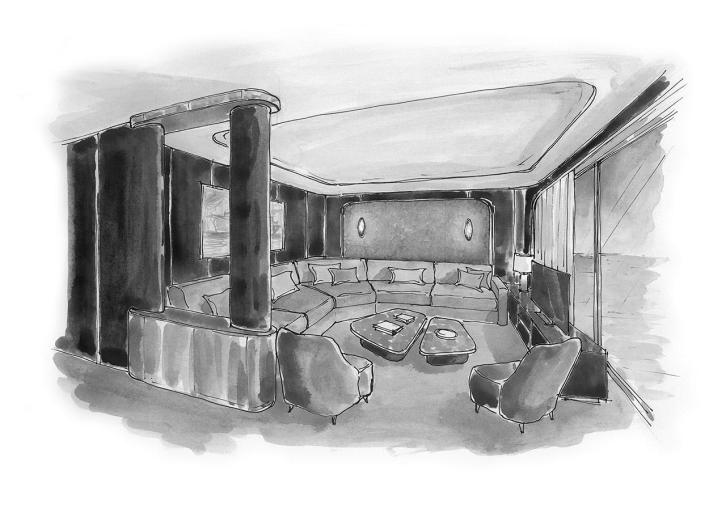


2 Bedroom Owner's Suite
Expansive and elegant, the two-bedroom Owner’s Suite represents the pinnacle of the Reserve Collection. At 1,110 square feet, this exceptional residence at sea features generous living and dining areas, a luxurious marble spa bathroom, and elevated in-suite dining. With personalized butler service and refined amenities throughout, it offers an unparalleled level of space, privacy, and indulgence.
Reserve Collection Amenities
- Personalized service of a butler
- Expanded 24-hour in-suite dining menu
- Complimentary wash-and-fold laundry service
- Plus, Concierge Collection and Signature Collection Amenities
Facilities
- Lounge Area
- Vanity Area
- Room Service Available
- Butler Service
- TV
- Safe
- Hair Dryer
- Telephone
- Desk
Penthouse Suite
Sophisticated and spacious, the Penthouse Suite offers 565 square feet of refined comfort within the Reserve Collection. Thoughtfully designed with a stylish living area, marble spa bathroom, and enhanced in-suite dining, it provides an inviting retreat after a day of exploration. Personalized butler service and elevated amenities ensure a seamless and indulgent experience throughout your journey.
Reserve Collection Amenities
- Personalized service of a butler
- Expanded 24-hour in-suite dining menu
- Complimentary wash-and-fold laundry service
- Plus, Concierge Collection and Signature Collection Amenities
Facilities
- Lounge Area
- Vanity Area
- Room Service Available
- Butler Service
- TV
- Safe
- Hair Dryer
- Telephone
- Desk
Concierge Deluxe Veranda Suite
Spacious and elegantly appointed, the Concierge Deluxe Veranda Suite offers 375 square feet of refined comfort. A generous living area, beautifully curated details, and a private veranda create an inviting setting to relax and take in the views. Elevated Concierge Collection inclusions enhance every moment on board.
Concierge Collection Amenities
- A tastefully prepared welcome
- Priority access to behind-thescenes tour and galley tasting
- Complimentary wash-and-fold laundry service
- 10% savings at onboard boutique
- 10% savings at SeaSpa by L’OCCITANE AMENITIES
- 10% savings on premium WiFi packages
- Enhanced in-suite amenities
- Plus, Signature Collection Amenities
Facilities
- Lounge Area
- Vanity Area
- Room Service Available
- TV
- Wi-Fi (Additional Cost)
- Safe
- Hair Dryer
- Telephone
- Desk
Concierge Veranda Suite
Thoughtfully designed and comfortably spacious, the Concierge Veranda Suite features 290 square feet of well-appointed living space. Step onto your private veranda to enjoy fresh sea air and scenic vistas, while refined finishes and elevated inclusions create a seamless onboard experience.
Concierge Collection Amenities
- A tastefully prepared welcome
- Priority access to behind-thescenes tour and galley tasting
- Complimentary wash-and-fold laundry service
- 10% savings at onboard boutique
- 10% savings at SeaSpa by L’OCCITANE AMENITIES
- 10% savings on premium WiFi packages
- Enhanced in-suite amenities
- Plus, Signature Collection Amenities
Facilities
- Lounge Area
- Vanity Area
- Shower
- Room Service Available
- TV
- Wi-Fi (Additional Cost)
- Safe
- Hair Dryer
- Telephone
- Desk
Concierge Panorama Suite
Bright and inviting, the Concierge Panorama Suite offers 290 square feet of stylish accommodations with expansive panoramic windows. Natural light fills the space, complementing its elegant design and thoughtfully curated details. Elevated Concierge Collection amenities ensure comfort and ease throughout your journey.
Concierge Collection Amenities
- A tastefully prepared welcome
- Priority access to behind-thescenes tour and galley tasting
- Complimentary wash-and-fold laundry service
- 10% savings at onboard boutique
- 10% savings at SeaSpa by L’OCCITANE AMENITIES
- 10% savings on premium WiFi packages
- Enhanced in-suite amenities
- Plus, Signature Collection Amenities
Facilities
- Lounge Area
- Vanity Area
- Shower
- Room Service Available
- TV
- Wi-Fi (Additional Cost)
- Safe
- Hair Dryer
- Telephone
- Desk
Veranda Suite
Serene and stylish, the Veranda Suite offers 290 square feet of thoughtfully designed living space. A private veranda invites you to enjoy fresh sea air and ever-changing views, while refined finishes and Signature amenities create a comfortable, inviting retreat. It’s a seamless blend of relaxation and connection to the world beyond.
Signature Collection Amenities
- Stocked in-room minibar, Nespresso® coffee machine, and Vero Water®
- Luxurious L’OCCITANE bath amenities
- Plush terry bathrobes and slippers
- Binoculars for in-suite use
Facilities
- Lounge Area
- Vanity Area
- Shower
- Room Service Available
- TV
- Wi-Fi (Additional Cost)
- Safe
- Hair Dryer
- Telephone
- Desk
Panorama Ocean Suite
Bright and welcoming, the Panorama Ocean Suite features 290 square feet of elegant accommodations with expansive ocean-facing windows. Natural light enhances the serene design, while Signature amenities provide comfort and ease throughout your journey. It’s an inviting space to unwind while staying connected to the sea.
Signature Collection Amenities
- Stocked in-room minibar, Nespresso® coffee machine, and Vero Water®
- Luxurious L’OCCITANE bath amenities
- Plush terry bathrobes and slippers
- Binoculars for in-suite use
Facilities
- Lounge Area
- Vanity Area
- Shower
- Room Service Available
- TV
- Wi-Fi (Additional Cost)
- Safe
- Hair Dryer
- Telephone
- Desk